
If you want to lose weight, tracking your calories is one of the smartest moves you can make. But where do you start?
How do you keep it simple without feeling overwhelmed? You might think counting calories is tricky or time-consuming, but it doesn’t have to be. Imagine having clear control over what you eat and seeing steady progress every day. This guide will show you exactly how to track calories in a way that fits your lifestyle and helps you reach your goals faster.
Ready to take charge of your weight loss journey? Keep reading and discover the easy steps you can start using right now.
Why Track Calories
Tracking calories is a simple way to control your food intake. It helps you see how much energy you get from food. This knowledge guides better eating choices. Tracking calories supports steady and healthy weight loss.
Calories And Weight Loss
Calories are the energy in food. Your body uses this energy to work and move. Weight loss happens when you burn more calories than you eat. Counting calories helps create this balance. It shows if you eat too much or too little.
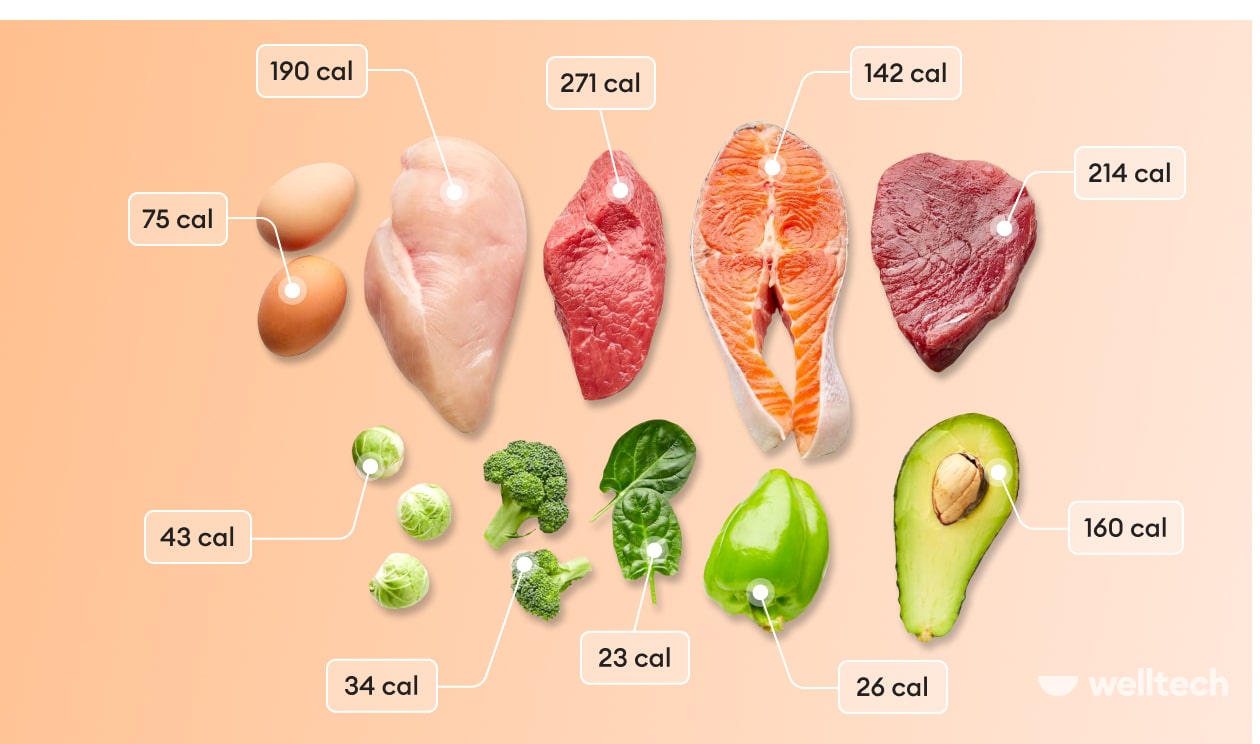
Benefits Of Calorie Tracking
Calorie tracking brings many benefits. It makes you aware of what you eat daily. This awareness helps avoid overeating. It also helps spot unhealthy food habits. Tracking calories can improve portion control. This tool helps keep your diet on track. It supports setting and reaching weight loss goals.
Credit: welltech.com
Choosing A Tracking Method
Choosing a tracking method is key to successful calorie counting. It helps you stay aware of your food intake. Tracking calories can feel simple or complex. Picking a method that fits your lifestyle makes it easier. Some people prefer technology, while others like old-school ways. Each method has its own benefits and challenges. The right choice keeps you motivated and consistent.
Apps And Tools
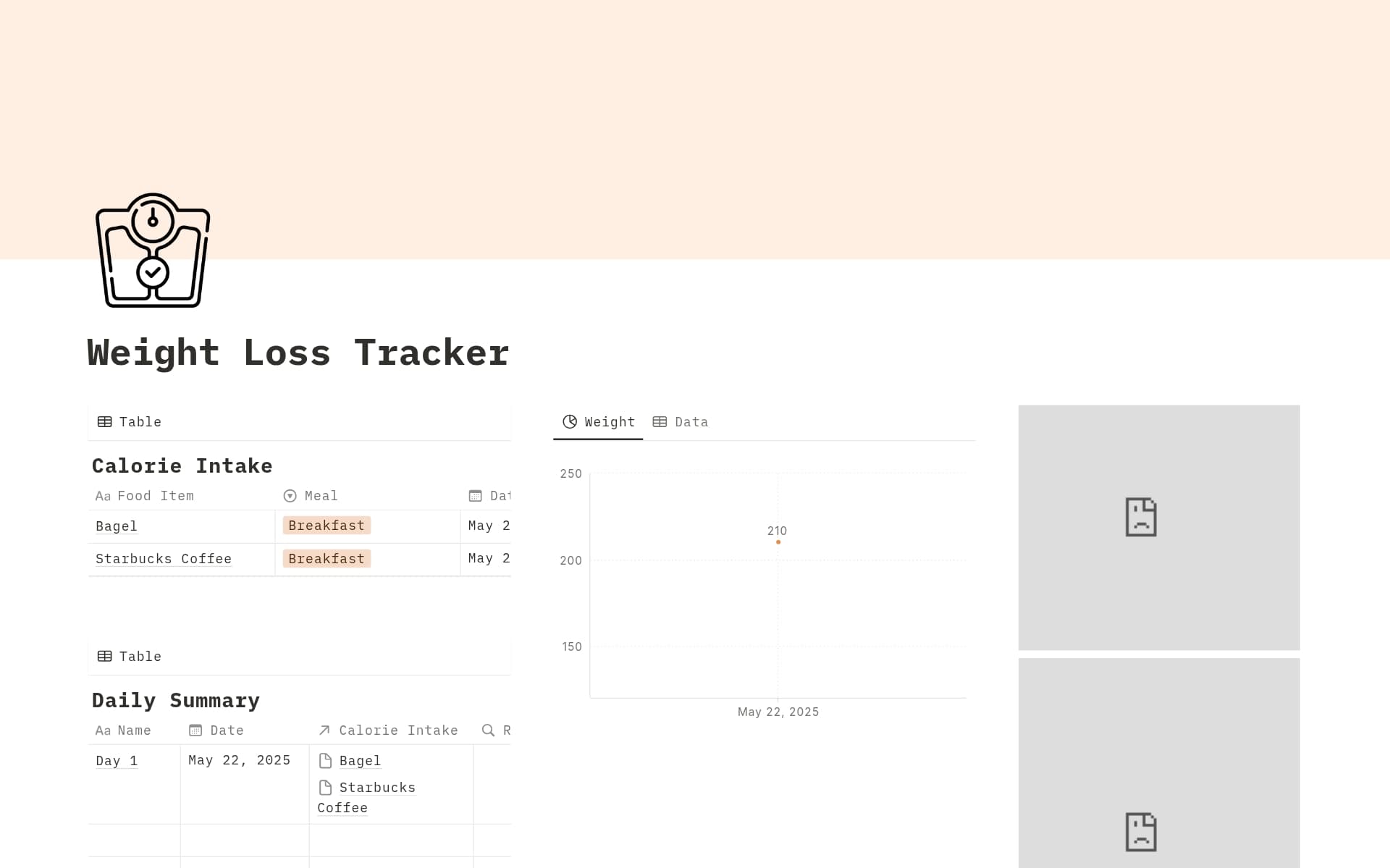
Apps make calorie tracking fast and convenient. They have large food databases and barcode scanners. Logging meals takes seconds with apps. Many apps show daily calorie goals and progress. Some offer reminders to log your food. They can sync with fitness trackers for full health monitoring. Apps also provide reports to spot eating patterns. Many are free or low cost. Apps suit people who like using phones and technology.
Manual Tracking Techniques
Manual tracking uses pen and paper or spreadsheets. Writing down food helps some people focus more. It encourages mindfulness about what and how much you eat. Manual methods do not need internet or devices. You control the pace and detail of your tracking. It can feel more personal and reflective. Some find manual tracking easier to review and adjust. This method fits those who prefer simple tools or want less screen time.
Estimating Daily Calorie Needs
Estimating your daily calorie needs is key to effective weight loss. It helps you know how many calories to eat to lose weight safely. This estimate includes calories your body burns at rest and those used during activities.
Calculating Basal Metabolic Rate
Basal Metabolic Rate (BMR) is the number of calories your body uses to keep you alive. It covers breathing, blood circulation, and body temperature. BMR depends on age, gender, weight, and height.
Use a simple formula or an online calculator for BMR. Knowing your BMR gives a base number for calories burned daily.
Adjusting For Activity Levels
Activity level changes calorie needs. Sedentary people burn fewer calories than active ones. Adjust your BMR by multiplying it with an activity factor.
For example, multiply by 1.2 if you are mostly inactive. If you exercise regularly, use 1.5 or higher. This adjustment gives total calories needed each day.

Credit: cronometer.com
Reading Nutrition Labels
Reading nutrition labels helps track calories for weight loss. Labels show important details about food. They guide portion control and calorie intake. Understanding these labels makes weight loss easier. The first step is to know serving sizes.
Identifying Serving Sizes
Serving size tells how much food the label covers. It is not always the whole package. Check the serving size in grams or cups. Compare it with what you eat. Eating more means more calories. Counting servings correctly is key for accuracy.
Understanding Calorie Content
Calories show how much energy is in one serving. This number helps control daily calorie intake. Look for calories per serving on the label. Multiply calories by the number of servings eaten. This gives the total calories consumed. Tracking calories this way supports weight loss goals.
Measuring Portions Accurately
Measuring portions accurately is key for tracking calories effectively. Without proper portion control, calorie counts can be off. This leads to eating more or less than planned. Accurate portion sizes help maintain consistency in your diet.
Knowing the right amount to eat supports steady weight loss. It also builds awareness of food intake. Two main tools make portion measuring easier: kitchen scales and visual guides. Both help you avoid guesswork and stay on track.
Using Kitchen Scales
Kitchen scales offer precise measurement of food portions. Place your plate or bowl on the scale first. Then, zero the scale to ignore its weight. Add food until you reach the desired amount.
Scales measure in grams or ounces. This accuracy helps calculate calories correctly. They are especially useful for dense foods like nuts or cheese. Using scales prevents accidental overeating.
Visual Portion Guides
Visual guides offer a quick way to estimate portions without tools. Compare food sizes to common objects for easier measurement. For example, a deck of cards equals about 3 ounces of meat.
A baseball size is roughly one cup of vegetables or fruit. This method works well when you cannot use scales. It trains your eye to recognize proper portions over time.
Tips For Staying Consistent
Consistency is key to successful calorie tracking for weight loss. Staying steady helps build good habits and shows real progress. Small, steady steps keep you motivated and avoid burnout. Simple actions, done daily, make a big difference over time.
Setting Realistic Goals
Set clear and simple goals that fit your lifestyle. Avoid aiming too high at first. Choose targets that feel doable each day. Small goals build confidence and keep you moving forward. Adjust goals as you learn what works best for you.
Tracking Meals Promptly
Record your meals right after eating. Waiting makes it easy to forget details. Use a phone app or a notebook for quick notes. Prompt tracking keeps your calorie count accurate. This habit helps you stay aware of your eating habits.
Common Pitfalls To Avoid
Tracking calories helps many people lose weight. Yet, some common mistakes can slow progress. Avoid these pitfalls to stay on track and see results faster. Careful attention to details makes a big difference in calorie counting.
Underestimating Calories
Many people eat more calories than they think. Small snacks or big portions add up fast. Not measuring food carefully leads to errors. Use a food scale or measuring cups to get exact amounts. Check food labels for accurate calorie counts. Guessing calories often causes underestimation and slows weight loss.
Ignoring Liquid Calories
Drinks often contain hidden calories. Sugary sodas, juices, and coffee drinks add many calories. Even alcohol can increase calorie intake. Water and unsweetened tea have zero calories. Track all beverages to avoid extra calories. Ignoring liquid calories can ruin your calorie budget.
Adjusting Your Plan Over Time
Adjusting your calorie tracking plan is key to steady weight loss. Your body changes as you lose weight. These changes affect how many calories you burn daily. You need to update your plan to match these shifts. Staying flexible helps avoid plateaus and keeps progress steady.
Monitoring Progress
Track your weight at regular times each week. Note any changes in how your clothes fit. Use a journal or app to record your daily calorie intake. Check your energy levels and hunger cues. These signs show if your current plan works well.
Tweaking Calorie Intake
Adjust calories based on your progress and feelings. If weight loss stalls, lower calories slightly. Increase calories if you feel weak or tired. Small changes help your body adapt without shock. Keep changes gradual to maintain good health.
Credit: www.notion.com
Frequently Asked Questions
What Is The Easiest Way To Track Calories Daily?
Using a calorie tracking app is the easiest way to monitor daily intake. These apps have large food databases and barcode scanners. They help log meals quickly and accurately. Consistent tracking supports weight loss by keeping calorie goals in check.
How Many Calories Should I Eat To Lose Weight?
Calorie needs vary by age, gender, and activity level. A common rule is to eat 500 fewer calories than your maintenance level daily. This deficit typically leads to losing about 1 pound per week. Personalized plans work best for sustainable weight loss.
Can Tracking Calories Improve Weight Loss Results?
Yes, tracking calories increases awareness of food intake and portion sizes. It helps identify high-calorie foods and prevents overeating. Consistent tracking encourages mindful eating habits, which support better weight management. Studies show it boosts weight loss success rates.
Should I Track Calories For Every Meal And Snack?
Tracking all meals and snacks is important for accuracy. Even small snacks add calories that can impact weight loss. Recording everything builds a clear picture of your daily intake. This habit helps maintain consistent calorie control throughout the day.
Conclusion
Tracking calories helps you control your food intake and lose weight. Use a notebook or app to record what you eat every day. Check food labels and measure portions for accuracy. Small changes add up over time and show results.
Stay patient and consistent for best outcomes. Remember, balance and healthy choices matter most. Keep going—you are building better habits for a healthier life.