
Are you worried about your high blood pressure and want to bring it down without relying on medication? You’re not alone, and the good news is there are simple, natural ways you can start using today to take control of your health.
Imagine feeling more energetic, reducing your risk of serious health problems, and improving your overall well-being—all by making small changes that fit easily into your daily life. Keep reading to discover practical tips that can help lower your blood pressure naturally and keep your heart healthier for years to come.

Credit: www.heartfoundation.org.nz
Causes Of High Blood Pressure
High blood pressure, also called hypertension, happens when the force of blood against your artery walls is too high. This can lead to serious health problems like heart disease and stroke. Understanding what causes high blood pressure helps you manage it better. Many factors play a role, from how you live to your family history and the world around you.
Lifestyle Factors
Your daily habits affect blood pressure a lot. Eating too much salt raises blood pressure. Lack of exercise weakens your heart and blood vessels. Being overweight puts extra strain on your heart. Drinking too much alcohol or smoking damages arteries. Stress can also cause blood pressure to spike. Small changes in lifestyle can lower your blood pressure.
Genetic Influences
Your genes can make you more likely to have high blood pressure. If your parents have it, you might get it too. Some people inherit traits that affect how their body controls blood pressure. This includes how kidneys work or how blood vessels react. Genes do not decide everything but raise the risk.
Environmental Triggers
Where you live and your surroundings can affect blood pressure. Pollution and noise pollution increase stress and blood pressure. Living in a noisy or crowded place can keep your body tense. Lack of access to healthy foods also plays a part. Cold weather may raise blood pressure temporarily. These triggers add to other risk factors.
Diet Changes To Lower Blood Pressure
Changing your diet can help lower high blood pressure naturally. What you eat affects your heart and blood vessels. Simple changes in food choices make a big difference. Small steps add up to healthier blood pressure levels.
Focus on foods that support your heart. Avoid items that raise your blood pressure. Eating right is a key part of managing hypertension.
Reducing Sodium Intake
Too much sodium makes your body hold water. This extra water raises blood pressure. Cut back on salt in cooking and at the table. Avoid processed foods with hidden salt. Fresh fruits, vegetables, and whole grains have less sodium. Read labels to choose low-sodium options.
Incorporating Potassium-rich Foods
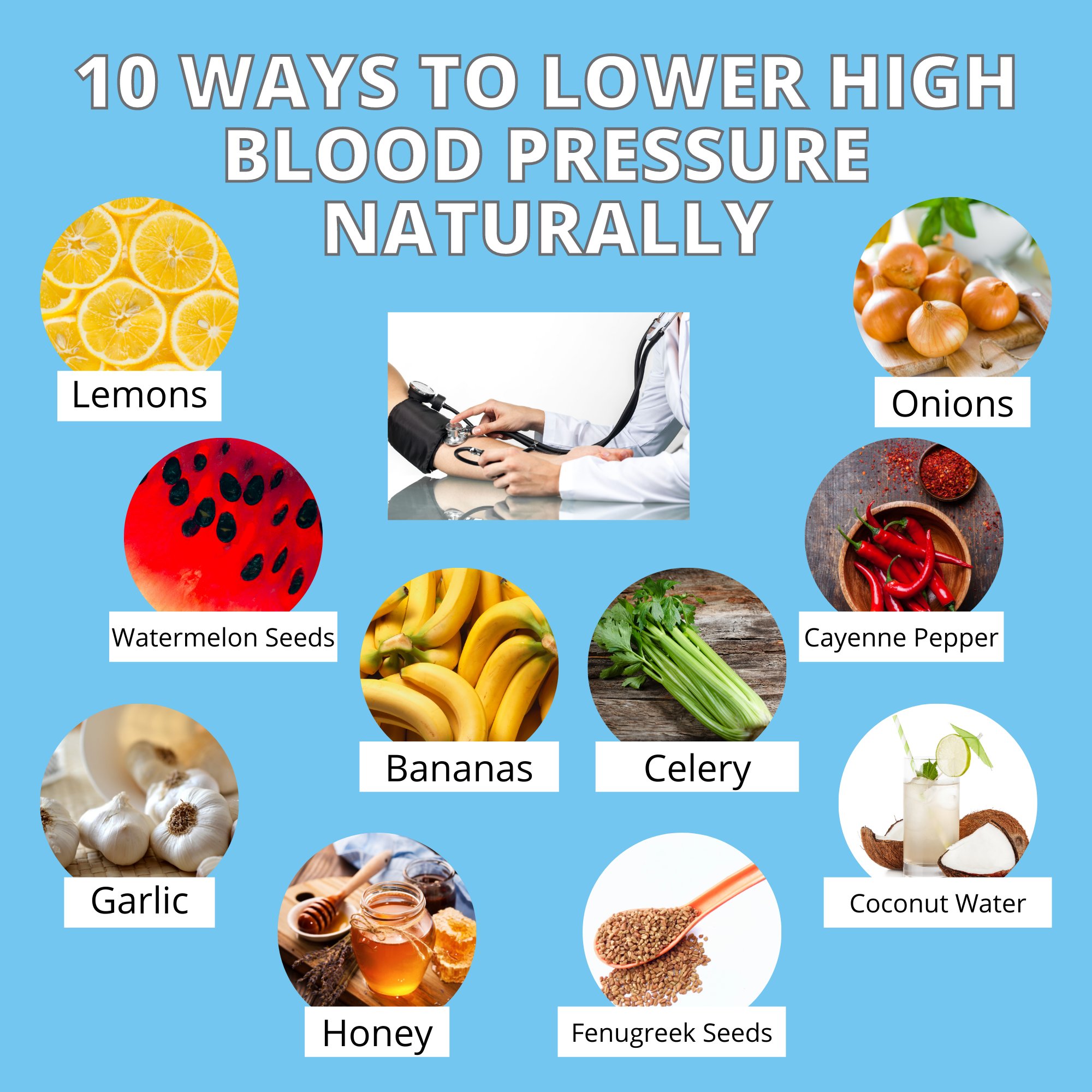
Potassium helps balance the sodium in your body. It eases tension in blood vessel walls. Foods rich in potassium include bananas, spinach, and sweet potatoes. Beans and yogurt are also good sources. Eating these foods supports lower blood pressure.
Benefits Of Dash Diet
The DASH diet is designed to lower blood pressure. It emphasizes fruits, vegetables, and whole grains. It limits salt, sugar, and unhealthy fats. Many studies show it reduces high blood pressure effectively. The DASH diet also improves overall heart health.
Physical Activity And Exercise
Physical activity and exercise play a vital role in managing high blood pressure. Moving your body regularly helps keep your heart and blood vessels healthy. Exercise can lower blood pressure naturally by improving circulation and reducing stress. Staying active also supports weight control, which affects blood pressure levels. Simple changes in daily habits can make a big difference over time.
Types Of Effective Exercises
Walking is a gentle and easy exercise for most people. It boosts heart health without needing special equipment. Swimming is another low-impact activity that helps lower blood pressure. Cycling keeps your legs moving and improves circulation. Strength training with light weights or resistance bands builds muscle and supports overall health. Choose exercises you enjoy to stay motivated.
How Exercise Helps Blood Pressure
Exercise makes your heart stronger and more efficient. A stronger heart pumps blood with less effort, lowering pressure in arteries. Physical activity helps blood vessels stay flexible and open. Exercise reduces stress hormones that raise blood pressure. Regular movement also helps your body use insulin better, which controls blood sugar and supports heart health.
Creating A Consistent Routine
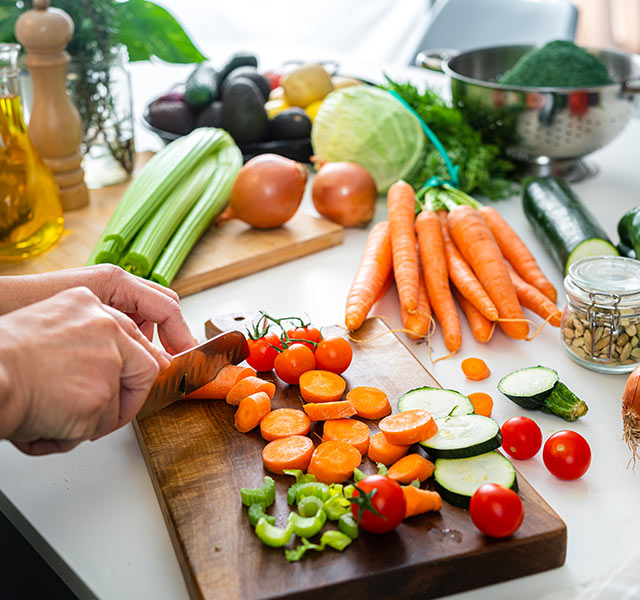
Start with small sessions of 10 to 15 minutes daily. Gradually increase the time and intensity. Aim for at least 150 minutes of moderate exercise each week. Find a regular time that fits your schedule. Mixing different types of activities keeps things interesting. Track your progress to stay encouraged and make exercise a habit.
Credit: www.henryford.com
Stress Management Techniques
Stress can raise blood pressure and harm your heart. Managing stress helps keep blood pressure in a healthy range. Simple techniques calm the mind and body. These methods fit easily into daily life and support heart health.
Meditation And Deep Breathing
Meditation helps focus the mind and reduce stress. It slows the heart rate and lowers blood pressure. Deep breathing exercises increase oxygen flow and relax muscles. Try sitting quietly and breathing slowly for 5 to 10 minutes. Repeat this daily to feel calmer and healthier.
Yoga And Relaxation Practices
Yoga combines gentle movements with breathing and mindfulness. It improves flexibility and reduces tension in the body. Relaxation techniques like guided imagery or progressive muscle relaxation ease stress. Practice yoga or relaxation for 20 minutes several times a week. These activities help balance the nervous system and lower blood pressure.
Improving Sleep Quality
Poor sleep raises stress and blood pressure levels. Create a quiet, dark, and cool bedroom. Avoid screens at least one hour before bed. Stick to a regular sleep schedule to improve rest. Good sleep helps the body repair and reduces stress hormones. Aim for 7 to 8 hours of restful sleep each night.
Natural Supplements And Herbs
Natural supplements and herbs offer gentle support to lower high blood pressure. These options often have fewer side effects than medicines. Many people use them to improve heart health and reduce blood pressure naturally. Careful choice and proper use are important for safety and effectiveness.
Garlic And Omega-3 Fatty Acids
Garlic is a popular herb for heart health. It may help relax blood vessels and improve blood flow. Studies show garlic supplements can slightly reduce blood pressure in some people.
Omega-3 fatty acids, found in fish oil and flaxseed, support heart function. They reduce inflammation and lower blood pressure. Taking omega-3 supplements regularly may help keep blood pressure in check.
Hibiscus Tea And Other Herbal Remedies
Hibiscus tea is a tasty, natural drink that may lower blood pressure. It contains antioxidants that help relax arteries. Drinking hibiscus tea daily can support a healthy heart.
Other herbs like hawthorn, cinnamon, and ginger also show promise. These herbs may help improve circulation and reduce blood pressure mildly. Use them as part of a balanced lifestyle.
Consulting Healthcare Providers
Always talk to a doctor before starting supplements or herbs. Some can interact with medicines or cause side effects. A healthcare provider can guide safe and effective use. This step ensures natural remedies fit your health needs.
Lifestyle Habits To Avoid
High blood pressure can harm your heart and body over time. Some daily habits make it worse. Avoiding certain lifestyle choices helps keep your blood pressure in check. Small changes in habits can bring big health benefits.
Limiting Alcohol Consumption
Drinking too much alcohol raises blood pressure. It also adds extra calories, which can lead to weight gain. Keep alcohol intake low to help your heart. Men should drink no more than two drinks a day. Women should limit to one drink a day or less.
Quitting Smoking
Smoking damages blood vessels and raises blood pressure. It also reduces oxygen in your blood. Quitting smoking improves your heart health quickly. Avoid places where people smoke to reduce temptation. Use support groups or products to help quit if needed.
Reducing Caffeine Intake
Caffeine can cause short spikes in blood pressure. Some people are more sensitive to caffeine than others. Try cutting back on coffee, tea, and energy drinks. Choose water or herbal teas instead. Watch how your body reacts to caffeine to decide your limit.
Monitoring And Tracking Progress
Tracking your blood pressure is important for managing high blood pressure naturally. It helps you see if your efforts are working. Regular monitoring shows trends and changes over time. This information guides your lifestyle choices and treatment plan.
Home Blood Pressure Monitoring
Use a reliable home blood pressure monitor. Measure your blood pressure at the same time each day. Sit quietly for five minutes before checking. Record your readings to notice patterns. Avoid caffeine or exercise 30 minutes before measuring. Home monitoring gives quick feedback on your progress.
Keeping A Health Journal
Write down your blood pressure readings every day. Include notes about your diet, exercise, and stress levels. Track any symptoms like headaches or dizziness. This journal helps you connect habits to your blood pressure. Share your journal with your doctor for better advice.
When To Seek Medical Advice
Contact a doctor if your readings stay high or rise suddenly. Seek help if you feel chest pain, shortness of breath, or severe headaches. Regular check-ups ensure you get proper care. Do not ignore warning signs or skip medical visits. Early action prevents serious health problems.
Credit: www.melimoyulodge.com
Frequently Asked Questions
What Are Natural Remedies To Lower High Blood Pressure?
Natural remedies include regular exercise, reducing salt intake, managing stress, and eating a balanced diet rich in fruits and vegetables. These methods help improve heart health and maintain healthy blood pressure levels without medication.
How Does Exercise Help Reduce High Blood Pressure?
Exercise strengthens the heart, enabling it to pump blood with less effort. This lowers the pressure in arteries. Aim for at least 30 minutes of moderate exercise most days for effective results.
Can Dietary Changes Lower High Blood Pressure Naturally?
Yes, eating foods rich in potassium, magnesium, and fiber helps lower blood pressure. Reducing salt, processed foods, and unhealthy fats also supports healthy blood pressure management.
How Does Stress Affect High Blood Pressure?
Stress triggers hormone release that temporarily raises blood pressure. Chronic stress can cause sustained high blood pressure. Managing stress through relaxation techniques improves blood pressure control.
Conclusion
Natural methods can help lower high blood pressure safely. Eating healthy foods, exercising, and reducing stress all make a difference. Small changes add up over time. Your heart will thank you. Stay consistent and patient with these habits. They support a healthier life without medicine.
Remember, simple steps can improve your blood pressure. Keep taking care of yourself every day.