
Are you looking to boost your protein intake without relying on meat or dairy? Finding the best sources of plant-based protein can be a game-changer for your health and energy.
Whether you’re aiming to build muscle, stay full longer, or simply eat healthier, knowing which plants pack the most protein is key. You’ll discover simple, tasty options that fit your lifestyle and fuel your body the right way. Keep reading to unlock the power of plants and transform your meals today.
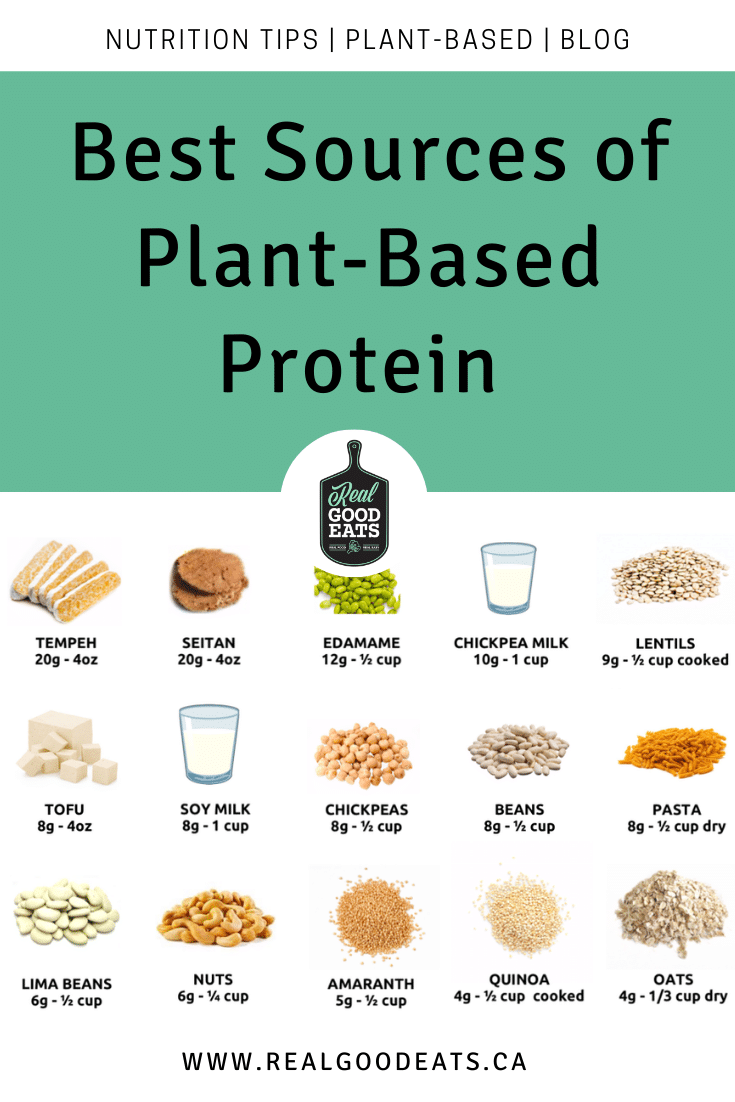
Credit: www.realgoodeats.ca
Benefits Of Plant-based Protein
Plant-based protein offers many benefits for both health and the planet. Choosing protein from plants supports a balanced diet and helps reduce risks of many diseases. It also plays a key role in protecting the environment for future generations.
Health Advantages
Plant-based protein contains fiber, vitamins, and minerals. These nutrients help improve digestion and keep the heart healthy. People who eat more plant proteins often have lower cholesterol levels. Plant proteins are usually lower in calories and fat. They support weight management and reduce the risk of diabetes. Eating plant-based protein can also boost energy and muscle strength.
Environmental Impact
Growing plants for protein uses less water than raising animals. It also produces fewer greenhouse gases that cause climate change. Plant farming requires less land, helping protect forests and wildlife. Choosing plant-based protein helps reduce pollution from animal farming. This choice supports sustainable food systems and a cleaner planet for all.
Legumes As Protein Powerhouses
Legumes are natural sources of protein that grow in pods. They provide a rich supply of plant-based protein for a healthy diet. Easy to cook and versatile, legumes fit many meals. They also have fiber, vitamins, and minerals. Including legumes supports muscle growth and overall health.
Lentils
Lentils are small, round seeds with a mild flavor. They contain about 18 grams of protein per cooked cup. Lentils cook quickly and work well in soups, salads, and stews. They are rich in iron and folate. Lentils help keep you full and energized.
Chickpeas
Chickpeas, also known as garbanzo beans, offer 15 grams of protein per cooked cup. Their nutty taste fits many dishes like hummus and curries. Chickpeas contain fiber that aids digestion. They add texture and nutrition to meals. Chickpeas support heart health and blood sugar control.
Black Beans
Black beans provide around 15 grams of protein per cooked cup. Their deep color comes from antioxidants called anthocyanins. Black beans work well in salads, burritos, and soups. They help lower cholesterol and improve gut health. Black beans are a tasty way to boost protein intake.
Nuts And Seeds
Nuts and seeds are excellent plant-based protein sources. They also provide healthy fats and fiber. These small powerhouses fit easily into many meals and snacks. Their crunchy texture and rich taste make them popular worldwide.
Almonds And Walnuts
Almonds contain about 6 grams of protein per ounce. They also have vitamin E, which supports skin health. Walnuts offer 4 grams of protein per ounce. They have omega-3 fatty acids that help the heart. Both nuts make great snacks or salad toppings.
Chia And Flaxseeds
Chia seeds pack 5 grams of protein per two tablespoons. They absorb liquid and form a gel, perfect for puddings. Flaxseeds provide 3 grams of protein per two tablespoons. They contain lignans, which support hormone balance. Ground flaxseeds help your body absorb nutrients better.
Pumpkin Seeds
Pumpkin seeds contain 7 grams of protein per ounce. They are rich in magnesium and zinc. These seeds add crunch to dishes like soups and salads. Roasted pumpkin seeds make a tasty, healthy snack option.
Whole Grains With Protein
Whole grains are an excellent source of plant-based protein. They provide energy and essential nutrients for a healthy diet. Including whole grains in meals supports muscle growth and repair. They also help maintain steady blood sugar levels throughout the day.
Many whole grains contain a good amount of protein along with fiber, vitamins, and minerals. Choosing whole grains over refined ones increases nutrient intake and promotes better digestion. Here are some of the best whole grains rich in protein.
Quinoa
Quinoa is a complete protein, meaning it has all nine essential amino acids. This makes it rare among plant foods. One cup of cooked quinoa contains about 8 grams of protein. It is also rich in fiber, iron, and magnesium. Quinoa cooks quickly and has a nutty flavor. It works well in salads, soups, and as a side dish.
Brown Rice
Brown rice is a whole grain that keeps its bran and germ layers. These layers hold most of the grain’s nutrients. Brown rice has about 5 grams of protein per cooked cup. It also offers fiber, B vitamins, and antioxidants. This grain is versatile and pairs well with many dishes. It adds a chewy texture and mild taste.
Oats
Oats are another protein-rich whole grain. One cup of cooked oats contains around 6 grams of protein. They also have soluble fiber, which helps lower cholesterol. Oats are easy to prepare and filling. Enjoy them as oatmeal, in smoothies, or baked goods. They make a great breakfast or snack option.
Soy-based Options
Soy-based options are excellent plant protein sources. They provide all essential amino acids needed by the body. These options are versatile and fit many recipes. They also offer fiber, vitamins, and minerals. They support muscle health and keep you full longer.
Tofu
Tofu is made from soy milk. It has a soft, smooth texture. It absorbs flavors well, making it very adaptable. Tofu is rich in protein and low in calories. It works in stir-fries, soups, and salads. It is easy to cook and digest.
Tempeh
Tempeh is fermented soybeans pressed into a firm cake. It has a nutty taste and chewy texture. Tempeh contains more protein and fiber than tofu. It also offers probiotics good for digestion. It grills, sautés, and bakes well.
Edamame
Edamame are young green soybeans. They come fresh or frozen in pods. Edamame is a quick, tasty snack full of protein. It also provides fiber and antioxidants. Boil or steam edamame, then sprinkle with salt. It’s a perfect simple plant protein.
Vegetables Rich In Protein
Vegetables can be a great source of plant-based protein. They provide essential nutrients and help build muscle. Including protein-rich vegetables in your diet supports overall health and energy.
Spinach And Kale
Spinach and kale contain good amounts of protein. They are also rich in vitamins A and C. These leafy greens help improve your immune system. You can add them to salads, smoothies, or soups.
Broccoli
Broccoli offers a high protein content for a vegetable. It contains fiber and many antioxidants. Eating broccoli supports digestion and reduces inflammation. Try steaming or roasting it for a tasty side dish.
Brussels Sprouts
Brussels sprouts are small but packed with protein. They also provide vitamin K and folate. These vegetables promote bone health and help with cell growth. Roasted or sautéed Brussels sprouts make a great snack.
Plant-based Protein Powders
Plant-based protein powders offer a simple way to add more protein to your diet. They come from plants and provide essential nutrients. These powders are easy to mix into shakes, smoothies, or recipes. They work well for people who want to avoid animal products but still need good protein sources.
Many types of plant protein powders exist. Each has unique benefits and flavors. Below are some popular options that many enjoy for their nutrition and taste.
Pea Protein
Pea protein is made from yellow split peas. It contains all nine essential amino acids. This makes it a complete protein source. It digests well and is gentle on the stomach. Pea protein has a mild taste that blends easily in drinks. It is rich in iron and helps build muscle.
Hemp Protein
Hemp protein comes from hemp seeds. It contains fiber, healthy fats, and minerals. It is not a complete protein but has many amino acids. Hemp protein supports digestion and heart health. It has a nutty flavor that works well in smoothies and baked goods. This powder is also rich in antioxidants.
Rice Protein
Rice protein is made from brown rice. It is hypoallergenic and easy to digest. Rice protein lacks some amino acids but mixes well with other proteins. It has a slightly grainy texture and mild taste. This powder is a good option for those with allergies or sensitivities. It provides energy and supports muscle recovery.
Combining Plant Proteins
Plant proteins come from many foods. Each plant protein has different amino acids. Amino acids are the building blocks of protein. Some plants have all essential amino acids. Many plants lack one or more essential amino acids. Combining different plant proteins can give your body all amino acids. This helps your body build and repair muscles and tissues.
Complete Protein Strategies
Some plant foods have complete proteins. Examples are quinoa, soy, and buckwheat. Most other plants need to be combined. Beans and rice together create complete protein. Peanut butter on whole wheat bread is another example. You do not need to eat these foods in the same meal. Eating a variety of plant proteins throughout the day works well.
Meal Planning Tips
Plan meals with diverse plant protein sources. Include beans, lentils, nuts, seeds, and grains. Mix legumes with grains for balanced nutrition. Use tofu or tempeh in salads and stir-fries. Snack on nuts and seeds for extra protein. Keep meals simple and tasty to maintain habits. Variety ensures you get all essential amino acids.
Incorporating Plant Proteins Daily
Incorporating plant proteins into daily meals supports a healthy lifestyle. These proteins provide essential nutrients without animal fats. Eating plant-based protein helps maintain energy and muscle health. It also supports digestion and overall well-being.
Plant proteins come from many sources like beans, lentils, nuts, and seeds. Including them regularly makes meals more nutritious and filling. Simple meals with plant protein fit any busy schedule. Small changes can lead to lasting health benefits.
Easy Recipes
Start with a lentil soup. Lentils cook fast and taste great with spices. Add chopped vegetables for extra vitamins. Another option is a chickpea salad. Mix canned chickpeas with cucumbers and tomatoes. Drizzle olive oil and lemon juice on top. For breakfast, try a smoothie with pea protein powder and fruits. These recipes are quick and simple.
Snack Ideas
Keep roasted chickpeas handy for a crunchy snack. They are high in protein and fiber. Nut butter on whole grain toast is another good choice. Seeds like pumpkin or sunflower add a protein boost to yogurt. Edamame pods steamed with a pinch of salt make a tasty treat. These snacks help avoid unhealthy choices.
:max_bytes(150000):strip_icc()/vegan_protein-bd263606aba14f228b72f1409bdc88e1.jpeg)
Credit: www.eatingwell.com
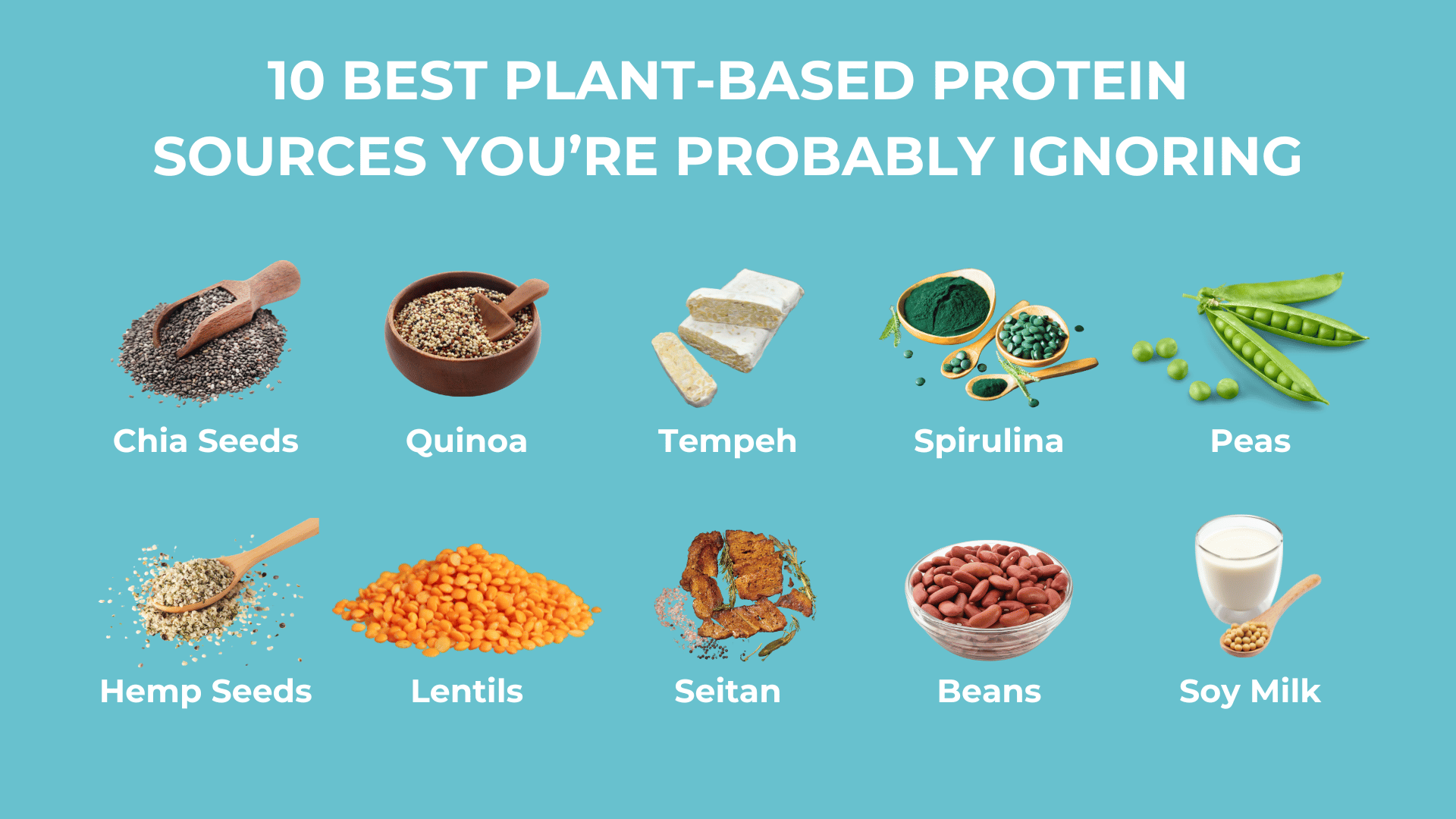
Credit: www.amritahealthfoods.com
Frequently Asked Questions
What Are The Top Plant-based Protein Sources?
Top plant-based protein sources include lentils, chickpeas, quinoa, tofu, tempeh, and black beans. These foods offer high protein and essential nutrients. They are versatile and support a balanced vegetarian or vegan diet effectively.
How Much Protein Do Plant-based Foods Provide?
Plant-based foods typically provide 5 to 20 grams of protein per serving. Legumes and soy products have higher protein content. Combining different plant proteins ensures you get all essential amino acids.
Can Plant-based Proteins Replace Animal Proteins?
Yes, plant-based proteins can replace animal proteins when combined properly. Eating a variety of legumes, grains, nuts, and seeds covers all amino acids. This supports muscle growth and overall health without animal products.
Are Plant-based Proteins Good For Muscle Building?
Plant-based proteins support muscle building when consumed in adequate amounts. Soy, lentils, and quinoa are rich in essential amino acids. Paired with strength training, they help maintain and build muscle effectively.
Conclusion
Plant-based proteins offer many healthy choices for everyone. Beans, lentils, nuts, and seeds provide good nutrition and energy. They are easy to add to meals and snacks. Eating a variety helps you get all needed nutrients. Enjoy these foods often for a balanced diet.
Small changes can make a big difference in health. Try different sources to find what you like best. This way, you stay strong and feel good every day.