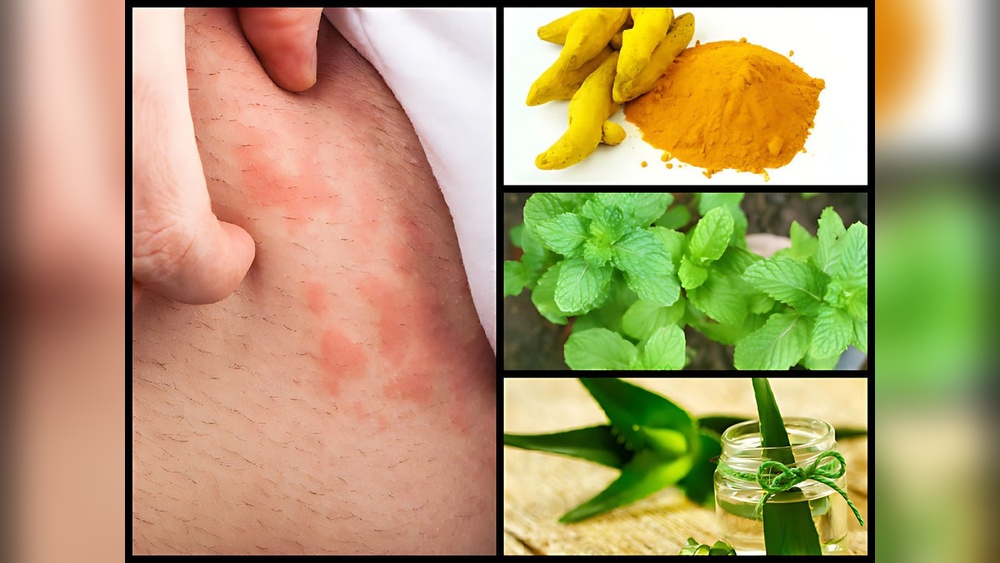
Are you tired of the itching, redness, and discomfort that come with skin allergies? Finding relief doesn’t always mean rushing to the doctor or buying expensive creams.
You can start treating your skin allergy right at home with simple, effective methods. Imagine calming your skin quickly and naturally, without harsh chemicals or side effects. You’ll discover easy steps you can take today to soothe your skin and stop the irritation before it gets worse.
Keep reading to learn how to regain comfort and confidence with treatments you can trust.

Credit: ayukarma.com
Common Skin Allergies
Skin allergies affect many people worldwide. They cause redness, itching, and discomfort. Knowing common skin allergies helps to spot and treat them early. Allergies happen when the skin reacts to certain substances. These reactions vary by type and severity.
Types Of Allergic Reactions
Contact dermatitis is a common skin allergy. It appears after touching irritants like soaps or plants. Hives show as raised, red bumps. They often come from food or insect bites. Eczema causes dry, itchy patches. It may flare up due to allergens or stress. Some people get allergic reactions from metals or cosmetics.
Symptoms To Watch For
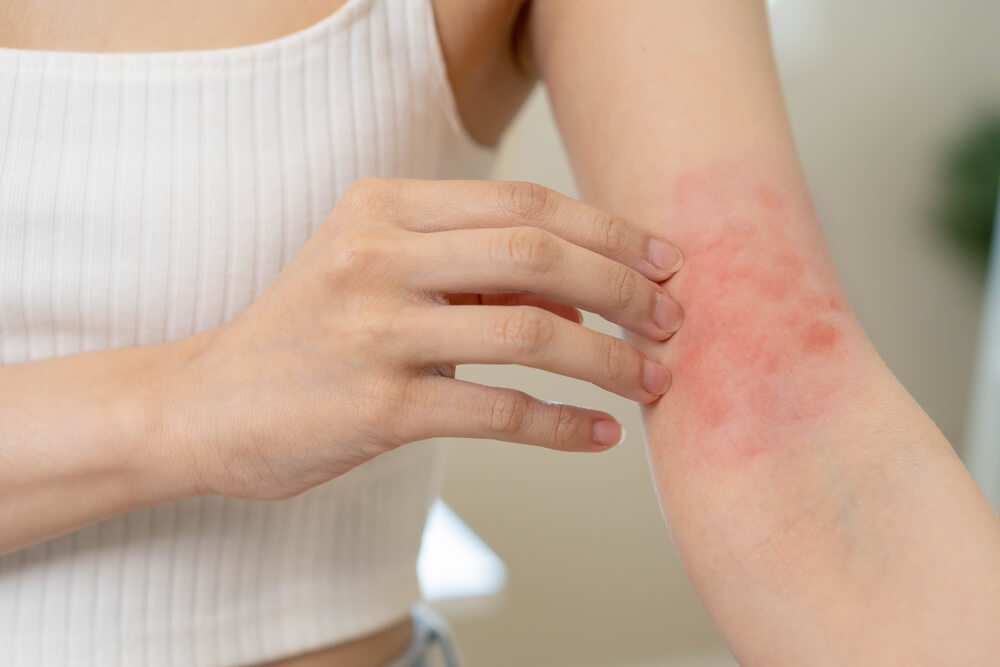
Redness and swelling are clear signs. Itching can range from mild to severe. Blisters may form in some cases. Skin may become dry and cracked. Burning or stinging sensations can occur. Watch for spreading rashes or pain. Early detection helps in quick home treatment.
Credit: www.toplinemd.com
Home Remedies For Relief
Skin allergies cause itching, redness, and discomfort. Home remedies can ease these symptoms safely. They help calm the skin and reduce irritation. Using simple items at home can bring quick relief.
Cold Compress Benefits
Applying a cold compress slows down swelling. It helps numb the itchy skin. Wrap ice in a cloth before use. Press gently on the affected area for 10 minutes. Repeat as needed to reduce redness and pain.
Oatmeal Baths
Oatmeal soothes irritated skin effectively. It creates a protective layer on the skin. Add finely ground oatmeal to warm bathwater. Soak for 15 to 20 minutes to calm itching. Pat the skin dry gently after the bath.
Aloe Vera Applications
Aloe vera has natural anti-inflammatory properties. It cools and hydrates dry, itchy skin. Use pure aloe vera gel directly from the plant. Apply gently to the allergy spots twice daily. Avoid products with added fragrances or alcohol.
Natural Ingredients To Soothe Skin
Natural ingredients can calm irritated skin gently. These simple remedies reduce redness and itchiness. Many people use them safely at home. They support skin healing without harsh chemicals.
Coconut Oil Uses
Coconut oil moisturizes dry, itchy skin. It forms a protective layer that locks in moisture. The oil also has antibacterial properties. Apply a small amount to the affected area twice daily. It soothes and softens skin quickly.
Honey For Healing
Honey is a natural healer for skin allergies. It reduces inflammation and kills germs. Use raw honey directly on the rash. Leave it on for 20 minutes before rinsing. Honey helps speed up skin repair.
Chamomile Compresses
Chamomile has calming effects on irritated skin. Make a chamomile tea and let it cool. Soak a clean cloth in the tea and apply it to the rash. This compress reduces swelling and eases itching. Repeat several times a day for relief.

Credit: gitaayurvedic.com
Diet Tips To Reduce Allergies
Diet plays a key role in managing skin allergies at home. Certain foods can reduce inflammation and soothe irritated skin. Choosing the right diet helps your body fight allergic reactions and heal faster.
Anti-inflammatory Foods
Eat foods that calm inflammation. Vegetables like spinach and kale are rich in antioxidants. Fruits such as blueberries and oranges provide vitamins that support skin health. Omega-3 fatty acids in fish, walnuts, and flaxseeds reduce redness and swelling. Avoid processed and sugary foods, which can worsen allergies.
Hydration Importance
Drink plenty of water daily. Hydration helps flush out toxins from the body. It keeps the skin moist and prevents dryness. Dry skin can trigger itching and worsen allergic reactions. Herbal teas and fresh fruit juices also aid hydration but avoid sugary drinks.
Lifestyle Changes To Prevent Flare-ups
Lifestyle changes play a big role in preventing skin allergy flare-ups. Small habits can keep your skin calm and healthy. These changes reduce itching, redness, and discomfort. Consistent care helps your skin stay strong and less sensitive.
Avoiding Triggers
Identify what causes your skin allergy. Common triggers include certain soaps, detergents, and fabrics. Avoid harsh chemicals and scented products. Wear loose, cotton clothes to let your skin breathe. Stay away from extreme temperatures that can irritate skin. Keep your living area clean to reduce dust and pet dander. Note your flare-ups to find hidden triggers and avoid them.
Proper Skin Care Routine
Use mild, fragrance-free cleansers for washing your skin. Avoid hot water; use lukewarm water instead. Gently pat your skin dry with a soft towel. Moisturize your skin immediately after washing to lock in moisture. Choose creams or ointments that suit sensitive skin. Apply moisturizer several times a day, especially after hand washing. Avoid scratching to prevent damage and infections. Regular skin care keeps your skin barrier strong and less prone to allergies.
When To Seek Medical Help
Skin allergies often improve with simple home care. Yet, some cases need medical help. Knowing when to seek a doctor is important. This helps avoid serious problems and speeds up healing.
Signs Of Severe Reaction
Look for swelling on the face or lips. Difficulty breathing or swallowing is a serious sign. Intense itching or rash that spreads fast needs attention. Blisters or open sores can cause infection. High fever or chills may mean a deeper problem. If any of these happen, see a doctor fast.
Treatment Options Beyond Home Remedies
Doctors can give stronger medicines like prescription creams. They may suggest oral antihistamines or corticosteroids. Allergy tests help find the exact cause. In some cases, allergy shots are useful. Medical care can also prevent future severe reactions. Always follow the doctor’s advice for better results.
Frequently Asked Questions
What Are Common Home Remedies For Skin Allergy?
Common home remedies include cold compresses, oatmeal baths, and aloe vera gel. These soothe itching and reduce inflammation quickly. Avoid scratching to prevent infection. Using mild, fragrance-free moisturizers also helps restore skin health naturally.
How Can I Prevent Skin Allergies At Home?
Prevent skin allergies by avoiding known triggers like harsh soaps and allergens. Keep your skin clean and moisturized. Wear protective clothing and use hypoallergenic products. Regularly clean your living space to reduce dust and pet dander.
When Should I See A Doctor For Skin Allergy?
See a doctor if symptoms worsen, spread, or don’t improve in a week. Seek help if you experience severe swelling, difficulty breathing, or intense pain. Professional care is crucial for persistent or severe allergic reactions.
Can Diet Affect Skin Allergy Treatment At Home?
Yes, diet impacts skin health and allergy management. Avoid foods that trigger reactions, such as nuts or shellfish. Include anti-inflammatory foods like fruits, vegetables, and omega-3 fatty acids. Staying hydrated also supports skin healing and reduces irritation.
Conclusion
Treating skin allergy at home can bring quick relief. Simple steps like keeping skin clean and cool help a lot. Using gentle creams or natural remedies may soothe itching. Avoiding triggers stops the allergy from getting worse. Watch your skin closely and act fast if it changes.
If symptoms stay or get bad, see a doctor soon. Taking care of your skin daily keeps allergies away. Small habits make a big difference in feeling better. Home treatment works well when done with care and patience.