
When you have a fever, your body needs extra care to heal quickly. Choosing the right foods can make a big difference in how fast you recover and how strong you feel.
You might wonder what to eat when your appetite is low or your stomach feels uneasy. Don’t worry—this guide will help you find the best foods that not only comfort you but also boost your immune system. Keep reading to discover simple, tasty options that can help you get back on your feet sooner.
Foods That Support Immunity
Eating the right foods helps your body fight fever better. Some foods boost your immune system. They give your body the nutrients it needs to heal faster. Focus on foods rich in vitamins, minerals, and antioxidants. These support your immune defenses and reduce illness duration.
Vitamin C Rich Choices
Vitamin C helps white blood cells work well. It also protects cells from damage. Oranges, strawberries, and kiwi have plenty of vitamin C. Bell peppers and broccoli are good sources too. Eating these fruits and veggies can strengthen your immune response.
Zinc Packed Options
Zinc supports the immune system and helps wounds heal. It also reduces inflammation and fights infection. Foods like pumpkin seeds, chickpeas, and lentils contain zinc. Meat, especially beef and chicken, are great zinc sources. Including zinc-rich foods can help your body recover during a fever.
Antioxidant Powerhouses
Antioxidants protect your cells from damage caused by illness. Blueberries, spinach, and nuts are full of antioxidants. Green tea also has strong antioxidant properties. These foods help reduce inflammation and support healing. Eating antioxidant-rich foods helps your immune system stay strong.

Credit: www.healthline.com
Hydrating Foods To Stay Energized
Eating hydrating foods helps keep energy up during a fever. Fluids and water-rich foods prevent dehydration. They also soothe the throat and aid recovery. Choosing the right foods supports your body’s fight against illness.
Fruits With High Water Content
Watermelon, cucumbers, and oranges have lots of water. These fruits keep you hydrated and provide vitamins. They are easy to digest and gentle on the stomach. Eating them helps replace fluids lost through sweating.
Soups And Broths
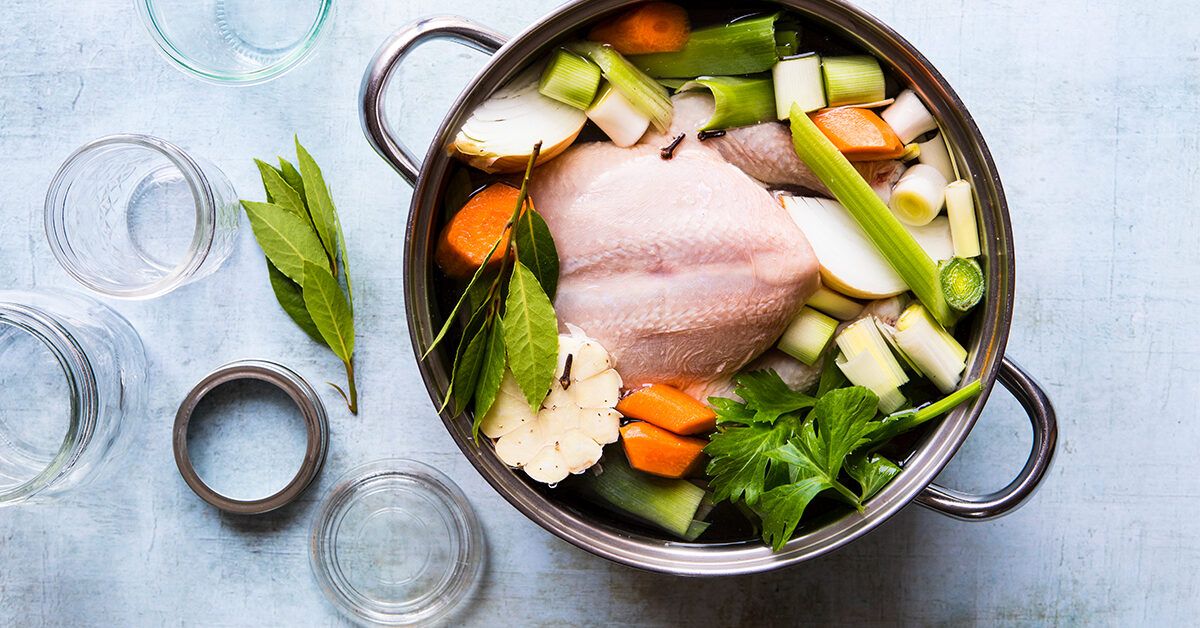
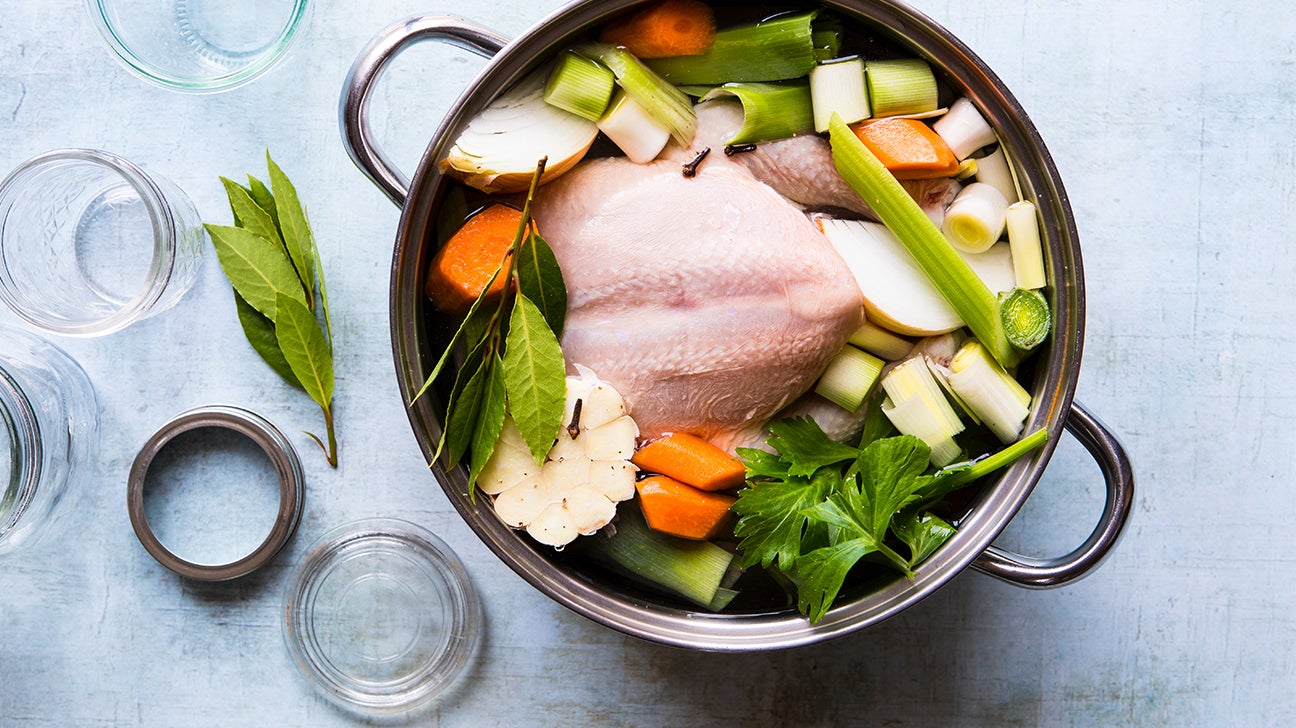
Warm soups and broths hydrate and nourish the body. Chicken broth is a popular choice for fever relief. These liquids provide minerals and electrolytes important for energy. They also help clear nasal passages and soothe discomfort.
Herbal Teas And Infusions
Herbal teas made from ginger or chamomile hydrate and calm the body. These drinks offer antioxidants and help reduce fever symptoms. Drinking warm teas keeps the throat moist and supports healing. Sip slowly to stay refreshed and relaxed.
Easy-to-digest Meal Ideas
Eating the right foods during a fever helps the body heal faster. Easy-to-digest meals reduce strain on the stomach. These meals provide energy and nutrients without causing discomfort. Choosing gentle foods supports hydration and recovery. Here are some simple meal ideas to try.
Light Protein Sources
Protein helps repair body tissues and boosts the immune system. Choose light options like boiled chicken or turkey breast. Soft scrambled eggs also work well. Fish such as steamed white fish is easy on the stomach. Avoid fried or heavily spiced meats. These gentle proteins provide strength without upsetting digestion.
Simple Carbohydrates
Simple carbohydrates give quick energy without being hard to digest. White rice and plain pasta are good choices. Toast or crackers can help if appetite is low. Mashed potatoes without butter are also soothing. These foods keep energy levels stable during fever. Avoid heavy sauces or rich toppings that may cause discomfort.
Gentle Vegetables
Vegetables supply vitamins and minerals needed for healing. Cook vegetables until soft to ease digestion. Carrots, zucchini, and pumpkin are mild and nourishing. Steamed spinach or green beans work well too. Avoid raw or crunchy vegetables that can irritate the stomach. Gentle veggies add nutrients without extra effort for the body.
Credit: www.healthline.com
Foods To Avoid During Fever
Fever weakens the body and slows down recovery. Choosing the wrong foods can make symptoms worse. Avoiding certain foods helps your body heal faster and feel better.
Processed And Sugary Items
Processed foods often contain chemicals and additives. These can stress your immune system. Sugary foods feed harmful bacteria and viruses. They also increase inflammation in the body. Eating sweets may make your fever last longer.
Heavy And Greasy Foods
Greasy foods are hard to digest. They can cause stomach upset and nausea. Heavy meals put extra pressure on your digestive system. This slows down your body’s ability to fight fever. Stick to light, easy-to-digest foods instead.
Dairy And Mucus Production
Dairy products can increase mucus in the throat and nose. This may worsen congestion and coughing. Thick mucus makes breathing harder during fever. Limiting milk, cheese, and cream helps reduce these symptoms. Choose clear fluids and broths for relief.
Tips For Meal Preparation
Preparing meals during a fever requires care and attention. Choosing the right foods helps the body heal faster. Easy-to-digest meals with good nutrients support recovery. Simple cooking methods keep food healthy and tasty.
Cooking Methods To Retain Nutrients
Steaming vegetables keeps most vitamins and minerals intact. Boiling is gentle but avoid overcooking to save nutrients. Lightly sautéing with small oil amounts preserves flavor and nutrients. Avoid deep frying or heavy cooking that destroys vitamins.
Balancing Flavors And Nutrition
Use mild herbs like ginger and turmeric for taste and health benefits. Avoid strong spices that can upset a sensitive stomach. Combine protein, carbs, and vegetables for balanced meals. Fresh fruits add natural sweetness and important vitamins.
Meal Timing And Portion Control
Eat small meals every few hours to maintain energy. Large meals can cause discomfort and slow digestion. Drink fluids like water or broth between meals to stay hydrated. Rest after eating helps the body use nutrients better.
Credit: www.healthline.com
Frequently Asked Questions
What Foods Help Reduce Fever Symptoms Quickly?
Foods rich in antioxidants, like berries and leafy greens, help reduce fever symptoms. Hydrating foods such as soups and watermelon also support recovery by preventing dehydration and boosting immunity.
Can I Eat Spicy Foods When I Have A Fever?
Spicy foods can irritate the stomach and worsen fever symptoms. It is best to avoid them until you fully recover to prevent discomfort and promote healing.
Are Dairy Products Good To Eat During A Fever?
Dairy products may thicken mucus and worsen congestion. It’s better to limit dairy intake and focus on light, easy-to-digest foods until the fever subsides.
How Important Is Hydration With Fever-friendly Foods?
Hydration is crucial during a fever. Drinking plenty of fluids like water, herbal teas, and broths helps regulate body temperature and supports the immune system.
Conclusion
Eating the right foods helps your body fight fever better. Choose light, easy-to-digest meals like soups, fruits, and toast. Drink plenty of fluids to stay hydrated and feel stronger. Avoid heavy or spicy foods that may upset your stomach. Rest well and listen to your body’s needs.
Good nutrition supports faster recovery and keeps energy up. Simple foods can make a big difference during illness. Take care and give your body what it needs to heal.