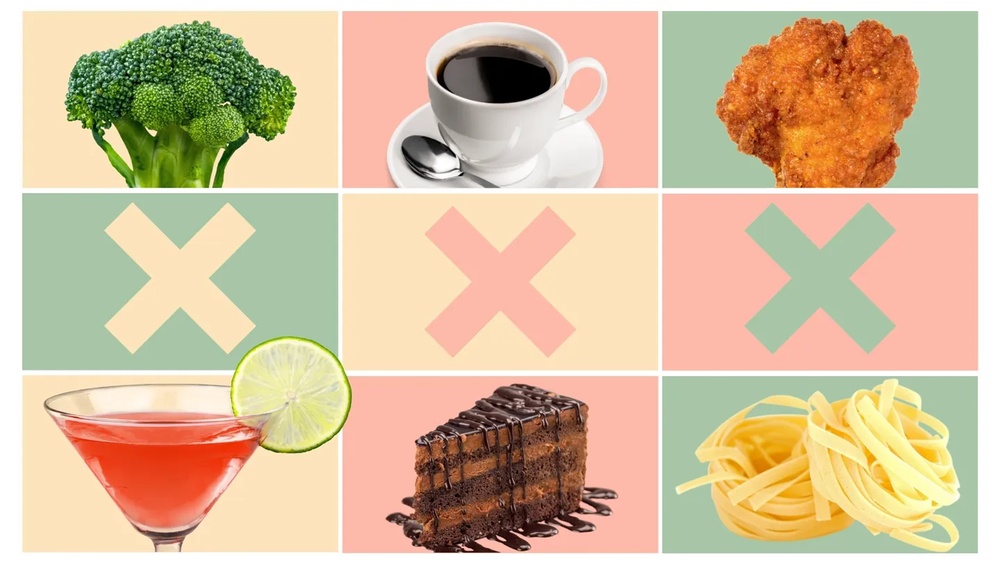
If you’re dealing with thyroid problems, what you eat can make a big difference in how you feel every day. Certain foods might be quietly making your symptoms worse without you even realizing it.
Imagine having more energy, clearer skin, and better mood just by avoiding a few common items on your plate. You’ll discover the key foods to avoid to help support your thyroid health and take control of your well-being. Keep reading—your body will thank you.
Credit: www.baptisthealth.com
Impact Of Diet On Thyroid Health
Diet plays a key role in thyroid health. What you eat can affect how well your thyroid works. Some foods may slow down thyroid function or interfere with medication. Other foods can support healthy hormone levels and reduce symptoms.
Understanding which foods to avoid helps manage thyroid problems better. Eating the right foods can improve energy and mood. It can also help keep your weight in check.
Foods That Block Iodine Absorption
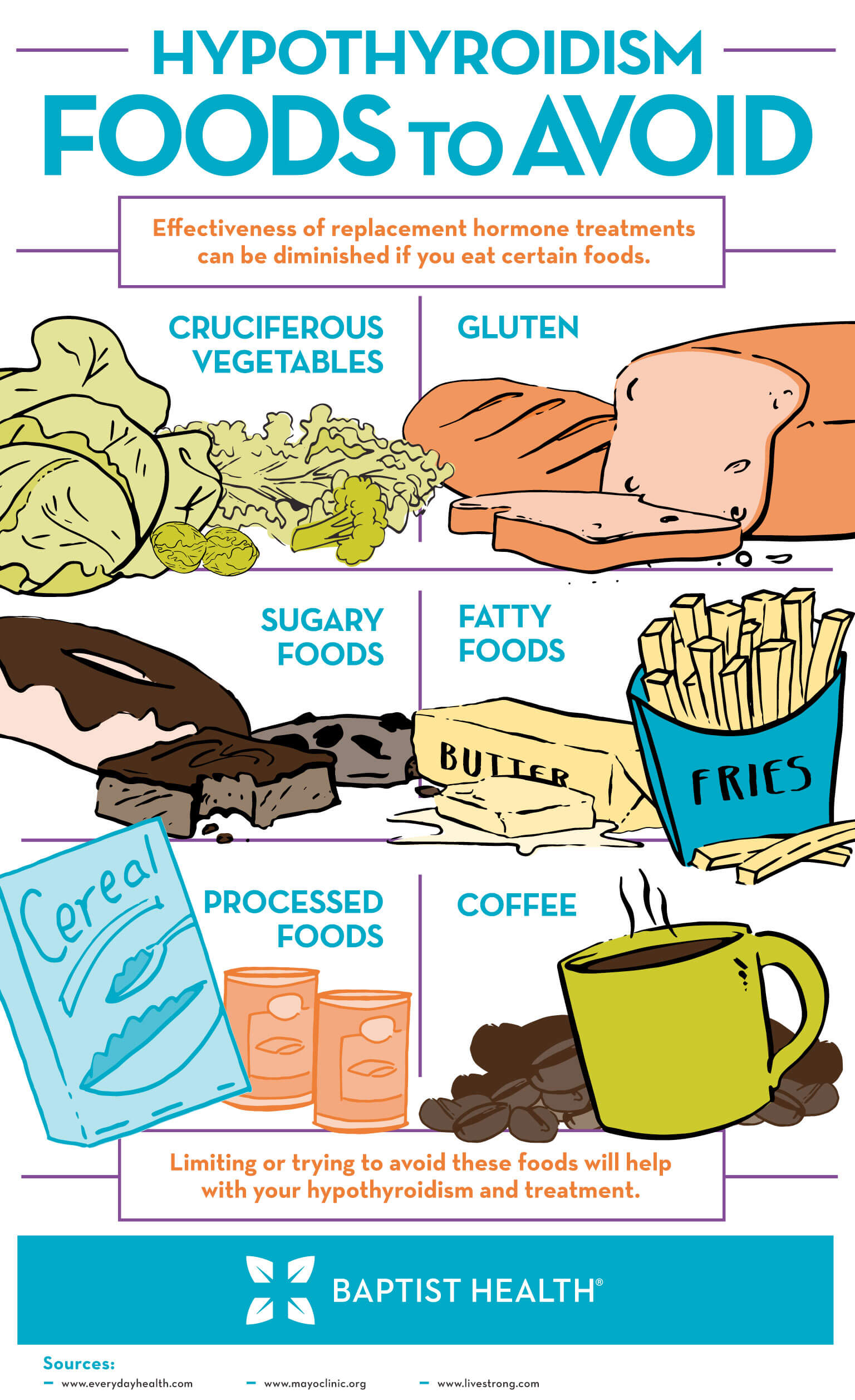
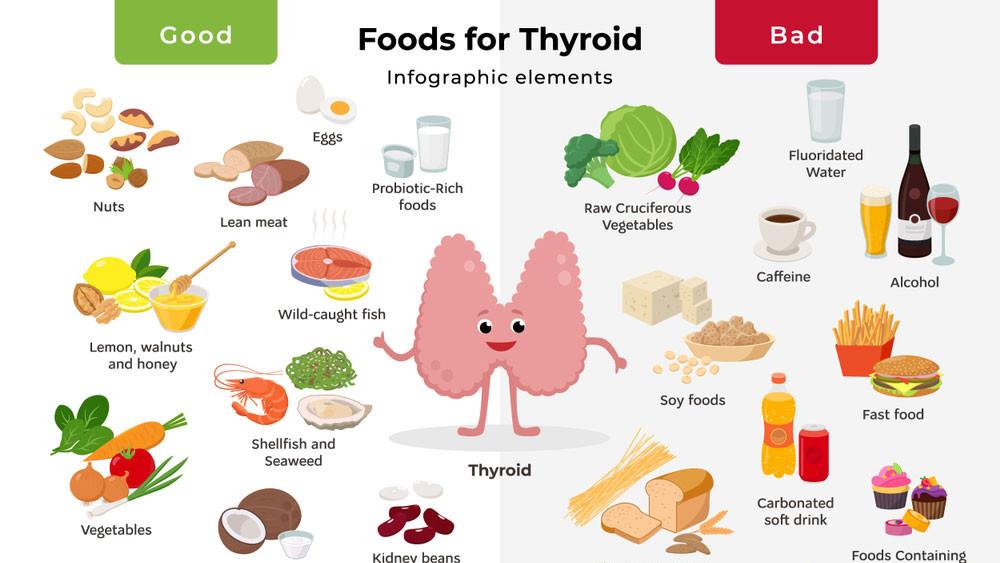
Iodine is essential for thyroid hormone production. Certain foods contain substances called goitrogens. Goitrogens can block iodine absorption and affect thyroid function. Examples include raw cruciferous vegetables like broccoli, cabbage, and cauliflower. Cooking these vegetables reduces goitrogens and makes them safer to eat.
Impact Of Soy On Thyroid Function
Soy products contain compounds that may interfere with thyroid hormone production. Eating large amounts of soy can reduce hormone levels in people with thyroid problems. Limiting soy intake helps maintain better thyroid balance.
Gluten And Thyroid Autoimmune Disorders
Gluten can worsen symptoms in people with autoimmune thyroid disease. It may trigger inflammation and immune system reactions. Avoiding gluten may ease symptoms and improve thyroid health for some people.
Processed Foods And Thyroid Health
Processed foods often contain high amounts of sugar and unhealthy fats. These can increase inflammation and worsen thyroid symptoms. Choosing whole, natural foods supports thyroid function and overall health.
Goitrogenic Foods To Limit
Goitrogenic foods can interfere with how your thyroid works. These foods contain substances that may block iodine uptake. Iodine is vital for producing thyroid hormones. Eating too many goitrogenic foods may cause thyroid problems to worsen. Limiting these foods helps support thyroid health.
Cruciferous Vegetables
Vegetables like broccoli, cabbage, cauliflower, and Brussels sprouts belong to this group. They contain compounds called goitrins that affect thyroid function. Cooking these vegetables reduces their goitrogenic effect. Eating them in moderation and cooked is safer for your thyroid.
Soy Products
Soybeans, tofu, soy milk, and soy protein have goitrogens. These substances may slow down thyroid hormone production. Avoid eating large amounts of soy daily. Choose fermented soy products like miso or tempeh, which are less harmful.
Certain Fruits And Starches
Some fruits and starchy foods like peaches, strawberries, sweet potatoes, and millet contain goitrogens. These foods can interfere with thyroid hormone creation. Limit intake of these items, especially if you have hypothyroidism. Cooking can reduce their negative effects on the thyroid.
Processed And Sugary Foods
Processed and sugary foods often contain many unhealthy ingredients. These foods can harm your thyroid health and overall well-being. They usually have high levels of sugar, unhealthy fats, and artificial additives. Eating them can cause inflammation and imbalance in your body. This can make thyroid problems worse and slow down your recovery.
Effects On Thyroid Function
Processed and sugary foods can disrupt your thyroid hormone levels. High sugar intake causes blood sugar spikes and crashes. This stresses the adrenal glands, which work closely with the thyroid. Inflammation from processed foods can reduce thyroid hormone production. It also lowers the body’s ability to use these hormones well. Over time, this can lead to worsened symptoms like fatigue and weight gain.
Examples To Avoid
Avoid foods like fast food, chips, and packaged snacks. These are full of unhealthy fats and preservatives. Sugary drinks and sodas add extra sugar without nutrition. Candy, cookies, and baked goods often contain high sugar and bad fats. Frozen meals and instant noodles also contain many additives. Choosing fresh, whole foods supports better thyroid health.
Gluten And Thyroid Disorders
Gluten can affect people with thyroid problems in many ways. It often worsens symptoms and slows down recovery. Understanding the link between gluten and thyroid health helps manage the condition better. Avoiding gluten may reduce inflammation and improve thyroid function.
Connection With Autoimmune Thyroid
Autoimmune thyroid diseases, like Hashimoto’s thyroiditis, involve the immune system attacking the thyroid. Gluten can trigger this immune response. The proteins in gluten may look like thyroid tissue to the immune system. This confusion causes the body to attack both gluten and the thyroid. Many people with autoimmune thyroid also have gluten sensitivity. Cutting out gluten can lower immune system attacks and ease symptoms.
Gluten-containing Foods
Gluten is found in wheat, barley, and rye. Common foods with gluten include bread, pasta, and baked goods. Some sauces and processed foods also contain gluten. Reading labels carefully helps avoid hidden gluten. Choosing gluten-free grains like rice, quinoa, and corn supports thyroid health. Avoiding gluten-rich foods may improve energy and reduce thyroid inflammation.
Excessive Iodine Intake
Excessive iodine intake can harm thyroid health. The thyroid gland needs iodine to make hormones. But too much iodine can cause problems. It may worsen thyroid conditions or trigger new issues.
Understanding which foods contain high iodine helps control intake. Avoiding excess iodine supports better thyroid function and overall health.
Sources Of High Iodine
Seaweed and kelp are very rich in iodine. Certain fish and shellfish also have high iodine levels. Dairy products like milk and cheese contain iodine too. Iodized salt adds iodine to many diets. Some processed foods may include extra iodine as well.
Risks Of Overconsumption
Too much iodine can cause thyroid inflammation. It may lead to hyperthyroidism or hypothyroidism. Excess iodine might trigger thyroid nodules or autoimmune thyroid disease. Symptoms include fatigue, weight changes, and mood swings. Careful monitoring of iodine intake helps avoid these risks.
Caffeine And Alcohol Effects
Caffeine and alcohol can affect thyroid health. People with thyroid problems should watch their intake. These substances may interfere with how the thyroid works and how medicine acts in the body.
Understanding their effects helps manage thyroid conditions better. Small changes in diet can improve overall health and thyroid function.
Impact On Thyroid Medication
Caffeine can reduce the absorption of thyroid medicine. Drinking coffee or tea right after taking medication is not good. Wait at least 30 to 60 minutes before consuming caffeine.
Alcohol can also affect thyroid hormone levels. It may change how the body uses thyroid medicine. Drinking too much alcohol can worsen thyroid symptoms.
Recommended Limits
Limit caffeine to one or two cups per day. Choose decaffeinated drinks if you want more. Avoid caffeine close to your medication time.
Keep alcohol intake low. One drink per day is safer for most people. Talk to your doctor about what is best for you.
Tips For A Thyroid-friendly Diet
Eating right helps manage thyroid problems better. A thyroid-friendly diet supports hormone balance and overall health. Simple changes in food choices can make a big difference. Avoiding certain foods and focusing on the right nutrients helps the thyroid work well.
Understanding what to eat and what to avoid is key. This guide shares tips to build a diet that supports your thyroid every day.
Balancing Nutrients
Balance is vital for thyroid health. Include proteins, healthy fats, and complex carbs in meals. Proteins help repair tissues and support hormone production. Healthy fats, like those in nuts and fish, reduce inflammation. Complex carbs provide steady energy without spiking blood sugar.
Watch iodine intake carefully. Iodine is essential but too much can harm thyroid function. Use iodized salt moderately and avoid high-iodine foods if advised by your doctor.
Foods That Support Thyroid Health
Some foods boost thyroid health naturally. Leafy greens like spinach and kale provide important vitamins. Selenium-rich foods such as Brazil nuts help protect the thyroid gland. Fatty fish like salmon offer omega-3 fats that reduce inflammation.
Eat fresh fruits for antioxidants and fiber. Whole grains support digestion and steady energy. Drinking plenty of water also helps maintain thyroid function and overall wellness.
Credit: thedetoxcenter.com
:max_bytes(150000):strip_icc()/Health-the-best-and-worst-foods-for-your-thyroid-Vert-V1-19030f64781940fdbaedd8a93b0a6535.jpg)
Credit: www.health.com
Frequently Asked Questions
What Foods Worsen Thyroid Problems?
Foods like soy, cruciferous vegetables, and gluten may disrupt thyroid function. They can interfere with hormone absorption and production. Avoid or limit these for better thyroid health.
Can Dairy Affect Thyroid Medication Absorption?
Yes, dairy products can reduce thyroid medication effectiveness. Calcium in dairy binds with medication, lowering absorption. Take thyroid medicine at least 30 minutes before consuming dairy.
Are Goitrogenic Foods Harmful For Thyroid Patients?
Goitrogens can interfere with thyroid hormone production. Foods like cabbage, broccoli, and kale contain goitrogens. Cooking these vegetables reduces their impact, making them safer in moderation.
Should I Avoid Gluten With Thyroid Problems?
Many with thyroid issues, especially Hashimoto’s, benefit from gluten avoidance. Gluten may trigger inflammation and worsen symptoms. Consult your doctor before eliminating gluten entirely.
Conclusion
Avoiding certain foods helps manage thyroid problems better. Choose fresh, natural foods over processed ones. Watch out for items high in goitrogens and excess soy. Small changes in diet can improve your thyroid health. Always talk to your doctor or a dietitian for advice.
Stay informed and take control of your health today. Simple steps lead to better well-being. Your thyroid deserves careful attention every day.