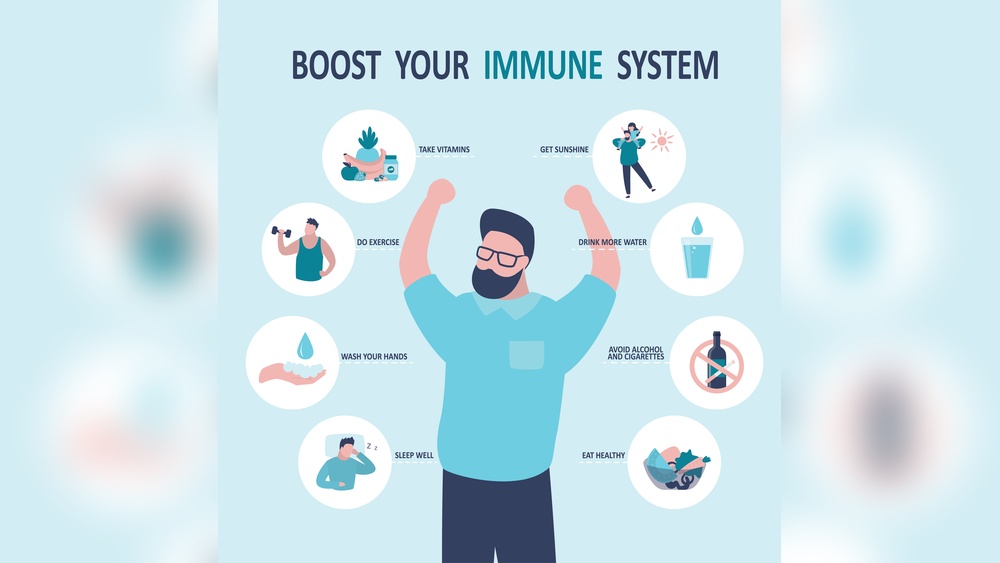
Are you looking for simple ways to strengthen your body’s defense without relying on medicines? Boosting your immune system naturally can help you stay healthier and feel better every day.
Imagine having more energy, fewer sick days, and a stronger shield against common illnesses. You’ll discover easy habits and powerful tips that you can start using right now to give your immune system the support it needs. Keep reading to unlock the secrets to a healthier, more resilient you.
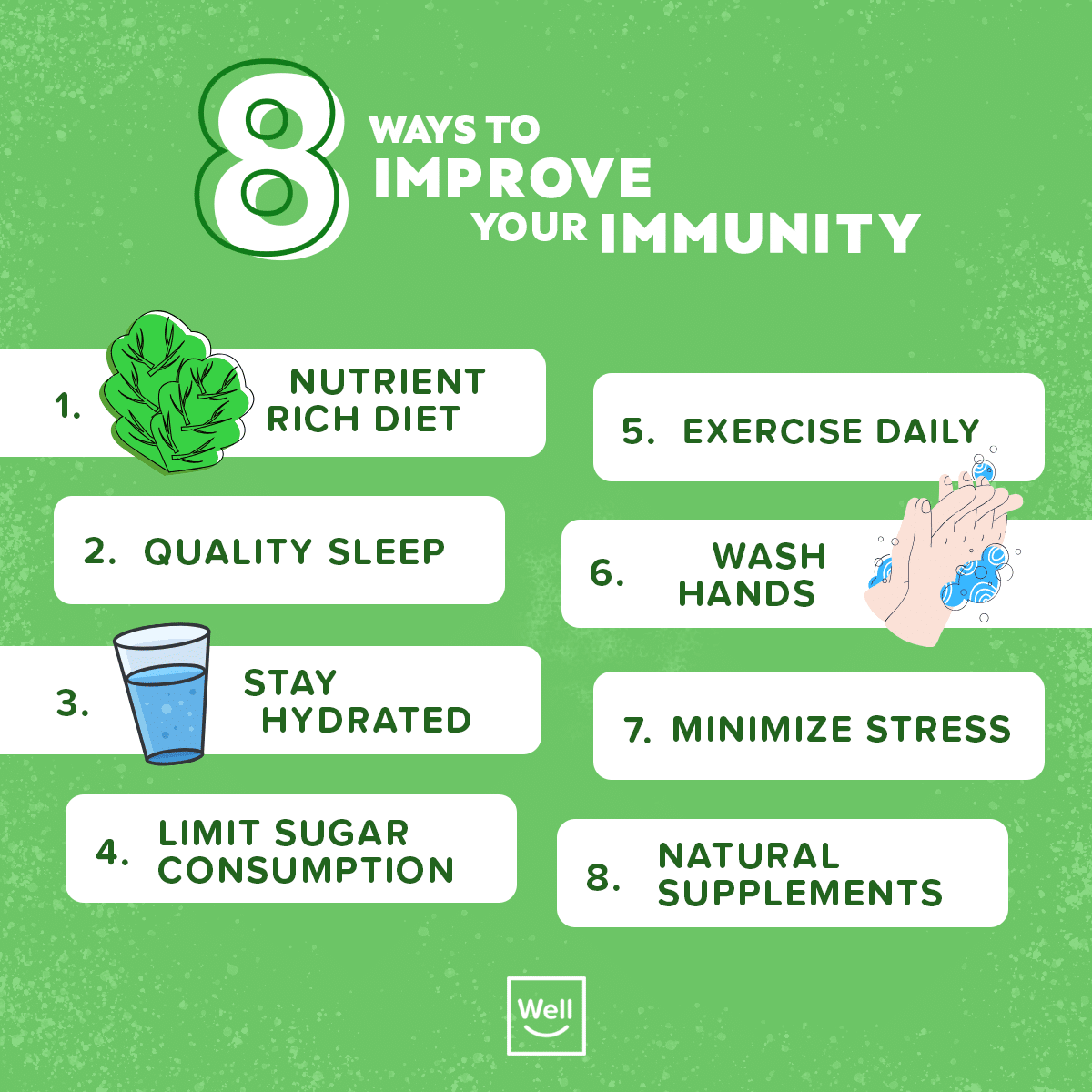
Credit: wellhealthcenters.com
Key Nutrients For Immunity
Strong immunity depends on the right nutrients. These nutrients help the body fight infections and heal faster. Eating foods rich in these key nutrients supports the immune system naturally. Here are the main nutrients that keep your defenses strong.
Vitamins That Strengthen Defense
Vitamins play a big role in immune health. Vitamin C boosts white blood cell production. These cells fight off viruses and bacteria. Vitamin D helps activate immune defenses. It also reduces inflammation in the body. Vitamin A keeps skin and tissues healthy. These act as barriers to germs.
Minerals That Support Immune Health
Zinc is vital for immune cell function. It speeds up wound healing and infection response. Selenium protects cells from damage. It supports the production of antibodies. Iron helps carry oxygen to immune cells. Low iron can weaken the immune response.
Antioxidants And Their Role
Antioxidants protect the body from harmful molecules. These molecules can damage cells and lower immunity. Foods rich in antioxidants include berries, nuts, and green tea. They reduce inflammation and support immune cell health. A diet high in antioxidants strengthens the body’s defense.

Credit: www.gundersenhealth.org
Foods That Enhance Immunity
Eating the right foods helps your body fight illness. Natural foods give your immune system a boost. They provide vitamins, minerals, and antioxidants. These nutrients support your body’s defense against germs. Choosing fresh and whole foods makes a big difference. Here are key foods to include for stronger immunity.
Fruits And Vegetables To Include
Fruits and vegetables are rich in vitamins like C and A. Oranges, strawberries, and kiwi offer a high dose of vitamin C. Carrots, sweet potatoes, and spinach provide vitamin A, which helps protect the skin and tissues. Leafy greens like kale and broccoli have antioxidants to fight harmful molecules. Eating a variety of colorful fruits and vegetables feeds your immune system well.
Herbs And Spices With Benefits
Herbs and spices have natural compounds that fight infections. Garlic contains allicin, which has antiviral and antibacterial effects. Ginger reduces inflammation and helps your body heal. Turmeric has curcumin, a powerful antioxidant that supports immunity. Adding these to meals boosts your body’s natural defenses.
Probiotic-rich Foods
Probiotics are good bacteria that help your gut health. Yogurt, kefir, and sauerkraut contain live cultures that balance your digestive system. A healthy gut supports the immune system by fighting bad bacteria. Eating probiotic foods regularly strengthens your body’s protection against illness.
Lifestyle Habits To Adopt
Adopting healthy lifestyle habits plays a key role in strengthening your immune system. Simple daily choices can make a big difference. These habits help your body fight infections and stay strong.
Focus on building routines that support your immune health. Consistency is important. Small changes can lead to lasting benefits for your overall well-being.
Importance Of Quality Sleep
Sleep is vital for a strong immune system. During sleep, the body repairs and builds defense cells. Poor sleep weakens your ability to fight illness.
Aim for 7 to 9 hours of restful sleep every night. Create a calm bedtime routine to help you relax. Avoid screens and bright lights before bed. Good sleep habits boost your body’s natural defenses.
Regular Physical Activity
Exercise helps improve immune function. It increases blood flow and supports healthy immune cells. Even moderate activity like walking or cycling works well.
Try to be active for at least 30 minutes most days. Consistent movement reduces inflammation and lowers stress hormones. Regular exercise keeps your immune system ready to respond.
Stress Management Techniques
Stress weakens the immune system by releasing harmful hormones. Managing stress helps your body stay balanced and strong. Simple practices can reduce stress quickly.
Try deep breathing, meditation, or gentle yoga daily. Taking short breaks to relax refreshes your mind and body. Lower stress levels help maintain a healthy immune response.
Hydration And Immune Function
Water plays a key role in keeping the immune system strong. Staying hydrated helps the body fight off germs and stay healthy. Every cell in the body needs water to work well. Drinking enough fluids supports the immune system’s ability to protect the body.
Hydration also helps flush out toxins and waste from the body. This reduces the load on the immune system. Water keeps the mucous membranes moist, which acts as a barrier against viruses and bacteria. Simple habits like drinking water regularly can improve overall immune function.
Why Staying Hydrated Matters
Water helps carry nutrients to cells. It supports the production of lymph, which contains white blood cells. These cells fight infections and keep the body safe.
Dehydration can make the immune system weak. It slows down the removal of toxins. Dry mucous membranes allow germs to enter easily. Drinking water helps avoid these problems and keeps defenses strong.
Best Beverages For Immunity
Plain water is the best choice to stay hydrated. Herbal teas like ginger and chamomile also support immunity. They contain antioxidants that help fight harmful agents.
Fresh fruit juices provide vitamins but avoid sugary drinks. Coconut water offers hydration plus electrolytes. Bone broth is rich in nutrients and supports gut health. These drinks help maintain good immune function naturally.
Natural Supplements To Consider
Natural supplements can help support your immune system. They provide extra nutrients that your body needs. Using them wisely can improve your body’s defense against illness. Many supplements come from plants and natural sources. These often contain vitamins, minerals, and antioxidants.
Choosing the right supplements depends on your health and lifestyle. Some supplements work better for certain people. It’s important to learn about each one before taking it. Understanding their benefits and risks helps you stay safe.
Common Immune-boosting Supplements
Vitamin C is a popular immune booster. It helps white blood cells work better. Zinc supports immune cell function and helps fight infections. Elderberry is a natural remedy with antioxidants. It may reduce cold and flu symptoms. Echinacea is used to boost immune response. It might shorten colds and ease symptoms. Probiotics help balance gut bacteria. A healthy gut supports a strong immune system. Vitamin D is important for immune regulation. Low levels of vitamin D can weaken immunity.
Safety And Dosage Tips
Always follow the recommended dose on the label. Taking too much can cause side effects. Some supplements can interact with medications. Talk to your doctor before starting new supplements. Choose high-quality brands for better safety. Watch for allergic reactions or unusual symptoms. Stop using supplements if you feel unwell. Keep supplements out of reach of children. Proper use ensures benefits without harm.
Avoiding Immune Suppressors
Keeping your immune system strong means avoiding things that weaken it. Certain foods, habits, and environmental factors can suppress your body’s defense. Staying aware helps you keep your immune system ready to fight off illness.
Foods And Habits To Limit
Sugar lowers your white blood cells’ ability to fight germs. Cut back on sweets and sugary drinks. Too much alcohol also harms your immune response. Drink only in small amounts or not at all. Smoking introduces toxins that damage your lungs and immune cells. Avoid cigarettes and secondhand smoke. Poor sleep and stress reduce your body’s defenses. Aim for 7-8 hours of good sleep each night. Practice stress relief techniques like deep breathing or meditation.
Environmental Factors Impacting Immunity
Air pollution harms your lungs and immune system. Stay indoors on high pollution days. Chemicals in cleaning products can irritate your skin and lungs. Choose natural or gentle cleaning supplies. Crowded places increase the chance of catching infections. Keep a safe distance during illness outbreaks. Cold weather itself does not weaken immunity but may lead to less outdoor activity and vitamin D. Dress warmly and get some sunlight whenever possible.

Credit: livewellcc.com
Frequently Asked Questions
How Can I Naturally Strengthen My Immune System?
You can boost immunity by eating nutritious foods, exercising regularly, managing stress, and getting enough sleep. Staying hydrated and avoiding smoking also helps maintain a strong immune system naturally.
What Foods Are Best For Immune Support?
Citrus fruits, garlic, ginger, spinach, almonds, and yogurt are excellent for immunity. These foods contain vitamins, antioxidants, and probiotics that enhance your body’s defense against illnesses.
Does Exercise Improve Immune Function?
Yes, moderate exercise boosts immune cells and reduces inflammation. Regular physical activity helps your body fight infections more effectively and supports overall health.
How Does Sleep Affect Immunity?
Sleep is vital for immune health. During sleep, your body produces infection-fighting cells. Lack of sleep weakens your immune response and increases illness risk.
Conclusion
Boosting your immune system naturally takes small daily steps. Eat fresh fruits and vegetables rich in vitamins. Stay active with regular exercise to keep your body strong. Drink plenty of water to stay hydrated and flush out toxins. Get enough sleep to help your body heal and fight germs.
Manage stress with deep breathing or quiet time. These habits build a healthy immune system over time. Start today for a healthier tomorrow. Your body will thank you. Simple changes make a big difference.