Are you tired of dealing with flaky, itchy scalp that just won’t go away? Dandruff can be frustrating and embarrassing, but the good news is you don’t have to live with it forever.
Imagine waking up every day with a clean, healthy scalp—no flakes, no itch, just confidence. You’ll discover simple, effective ways to treat dandruff permanently. Keep reading, because the solution to your dandruff problem is closer than you think.
Credit: www.sakraworldhospital.com
Causes Of Dandruff
Dandruff causes discomfort and embarrassment for many people. It results from different factors affecting the scalp. Understanding these causes helps in treating dandruff effectively and permanently. The scalp’s health depends on various internal and external elements.
Scalp Fungus And Irritation
A common cause of dandruff is a scalp fungus called Malassezia. This fungus grows naturally on the scalp but can grow too much sometimes. Excess growth irritates the scalp and causes flaking. The irritation triggers faster skin cell turnover, leading to visible flakes.
Dry Skin And Sensitivity
Dry skin on the scalp often leads to dandruff. Cold weather or harsh shampoos can dry out the scalp. Sensitive skin may react by flaking. Unlike fungal dandruff, this type usually produces smaller, less oily flakes.
Hair Care Habits
Infrequent hair washing can cause oil buildup and dandruff. Using the wrong hair products may irritate the scalp. Overuse of styling products can also clog pores and cause flakes. Gentle care and regular washing help maintain scalp health.
Diet And Lifestyle Factors
Poor diet affects scalp condition. Lack of vitamins and minerals weakens the skin. Stress and lack of sleep also worsen dandruff. Drinking enough water and eating balanced meals support scalp health.

Credit: www.youtube.com
Effective Anti-dandruff Shampoos
Choosing the right anti-dandruff shampoo can help control flakes and soothe your scalp. Many shampoos contain ingredients that target the root causes of dandruff. Using these shampoos correctly can improve scalp health and reduce itching and flaking over time.
Not all shampoos work the same for everyone. Sometimes, switching products is necessary if the current one does not show results. Understanding how to select and use anti-dandruff shampoos helps maintain a healthy scalp and clear hair.
Ingredients To Look For
Effective shampoos often contain zinc pyrithione. This ingredient fights fungi and bacteria on the scalp. Selenium sulfide slows down skin cell death, reducing flakes. Ketoconazole is an antifungal that treats stubborn dandruff. Coal tar helps slow scalp skin cell growth. Salicylic acid removes dead skin cells and reduces scaling. Choose shampoos with one or more of these ingredients for best results.
How To Use Shampoos Correctly
Apply shampoo to wet hair and scalp. Massage gently with fingertips for two to three minutes. Let the shampoo sit for at least five minutes before rinsing. This gives ingredients time to work. Avoid using hot water; warm water is better for the scalp. Use the shampoo regularly, at least twice a week. Consistency is key to controlling dandruff.
When To Switch Products
Use a shampoo for at least four to six weeks. If flakes and itching continue, it may not be effective. Try a different shampoo with another active ingredient. Changing shampoos can prevent resistance and irritation. If dandruff worsens or causes pain, see a doctor. A dermatologist can recommend stronger treatments or prescription shampoos.
Natural Remedies That Work
Natural remedies offer a gentle way to fight dandruff. They help soothe the scalp and reduce flakes without harsh chemicals. Many people find relief by using simple ingredients from their kitchen or garden. These treatments support scalp health and balance oil production. Consistent use can lead to lasting results and a clean scalp.
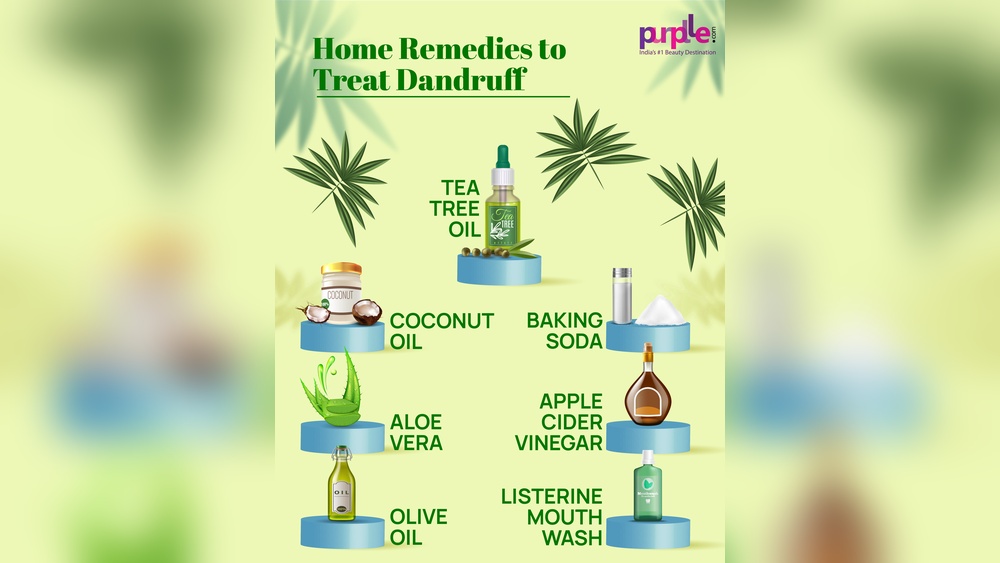
Tea Tree Oil Benefits
Tea tree oil has strong antifungal properties. It helps kill the fungus that causes dandruff. This oil also soothes itching and reduces redness. Mix a few drops with a carrier oil before applying. Massage gently into the scalp and leave it for 20 minutes. Rinse well with mild shampoo for best results.
Apple Cider Vinegar Rinse
Apple cider vinegar balances the scalp’s pH level. It reduces yeast growth that leads to flakes. Dilute vinegar with water in equal parts. Pour the mixture over your scalp after shampooing. Let it sit for 5 to 10 minutes before rinsing. This rinse leaves the scalp fresh and less itchy.
Aloe Vera And Moisturizing Treatments
Aloe vera calms irritated skin and fights dryness. It hydrates the scalp and reduces flaking. Apply pure aloe vera gel directly to the scalp. Leave it on for 30 minutes before washing. Use moisturizing oils like coconut or olive oil too. They nourish the scalp and prevent dryness that causes dandruff.
Lifestyle Changes To Prevent Dandruff
Changing daily habits can help stop dandruff from coming back. Small lifestyle changes support scalp health and reduce flakes. These changes keep your scalp clean and balanced.
Balanced Diet Tips
Eat foods rich in vitamins and minerals. Vitamin B, zinc, and omega-3 help keep your scalp healthy. Drink plenty of water to stay hydrated. Avoid too much sugar and oily foods. Fresh fruits, vegetables, and nuts improve scalp condition.
Stress Management Techniques
Stress can cause dandruff to worsen. Try simple ways to relax daily. Deep breathing, meditation, or light exercise calm your mind. Sleep well for better scalp health. A calm mind means less scalp irritation.
Proper Hair Washing Routine
Wash hair regularly with a mild shampoo. Avoid harsh shampoos that dry your scalp. Use lukewarm water, not hot water. Gently massage your scalp to remove flakes. Rinse hair well to remove shampoo residues. Dry hair softly with a towel.
When To See A Dermatologist
Knowing when to see a dermatologist is important for treating dandruff effectively. Some scalp problems need more than just home care. Early medical advice can stop conditions from getting worse. It can also help you find the best treatment fast.
Signs Of Severe Scalp Conditions
Look for redness or swelling on your scalp. Intense itching that won’t go away is a warning sign. Patches of hair loss or sores need medical attention. If dandruff flakes become very thick and yellow, see a doctor. Pain or a burning feeling also means it is time to visit a dermatologist.
Prescription Treatments Available
Dermatologists can prescribe stronger shampoos that kill fungus better. They may suggest corticosteroid creams to reduce inflammation. Sometimes, oral medicines are needed for severe scalp conditions. These treatments are not available over the counter. A doctor can create a plan tailored to your scalp’s needs. Regular follow-up helps ensure the treatment works well.
Credit: www.hairbuddha.net
Frequently Asked Questions
What Causes Dandruff And How To Stop It Permanently?
Dandruff is caused by dry scalp, yeast overgrowth, or sensitivity to hair products. To stop it permanently, maintain scalp hygiene, use anti-dandruff shampoos regularly, and avoid harsh chemicals. A balanced diet and stress management also help reduce dandruff effectively.
Which Natural Remedies Treat Dandruff Permanently?
Natural remedies like tea tree oil, aloe vera, apple cider vinegar, and coconut oil can treat dandruff permanently. These ingredients soothe the scalp, reduce fungus, and moisturize dry skin. Regular use combined with proper hair care improves scalp health and controls flaking.
How Often Should I Wash Hair To Prevent Dandruff?
Washing hair 2-3 times a week with a gentle anti-dandruff shampoo helps prevent dandruff. Over-washing can dry out the scalp, while under-washing allows oil buildup. Consistency in hair washing maintains scalp balance and reduces dandruff recurrence.
Can Diet Changes Help In Treating Dandruff Permanently?
Yes, a diet rich in zinc, omega-3 fatty acids, and vitamins B and E improves scalp health. Avoiding sugary and greasy foods reduces inflammation and fungal growth. Drinking plenty of water also keeps the scalp hydrated and dandruff-free.
Conclusion
Treating dandruff permanently takes time and care. Use gentle shampoos regularly. Keep your scalp clean and avoid harsh chemicals. Eat healthy foods to support scalp health. Stay consistent with your routine every day. Small changes can make a big difference.
Remember, patience helps your scalp heal well. Healthy habits protect your hair and skin. A flake-free scalp is possible with effort. Start caring for your scalp today.