Are you worried about your cholesterol levels but want to avoid harsh medications? You’re not alone.
Many people struggle with keeping their cholesterol in check, but the good news is, you can take control naturally. Imagine feeling healthier and more energetic without relying on pills. You’ll discover simple, effective ways to lower your cholesterol through everyday choices.
Keep reading, because these tips could change your health for the better—starting today.
Cholesterol And Heart Health
Cholesterol plays a key role in heart health. It is a waxy substance found in your blood. Your body needs cholesterol to build cells and make hormones. But too much cholesterol can cause problems. It can block blood flow and increase heart disease risk.
Understanding cholesterol types and their effects helps in managing your heart health. Controlling cholesterol naturally supports a strong heart and better circulation.
Types Of Cholesterol
There are two main types of cholesterol: LDL and HDL. LDL stands for low-density lipoprotein. It is often called “bad” cholesterol. LDL can build up in arteries and form plaques. These plaques narrow arteries and reduce blood flow.
HDL means high-density lipoprotein. It is known as “good” cholesterol. HDL helps remove LDL from the arteries. It carries LDL back to the liver to be broken down and removed from the body. Higher HDL levels protect your heart.
Risks Of High Cholesterol
High cholesterol increases the risk of heart disease. Plaques from LDL can block arteries. This blockage can lead to chest pain or heart attacks. It also raises the chance of stroke.
High cholesterol often has no symptoms. Many people do not know they have it. Regular check-ups and blood tests can help detect it early. Managing cholesterol through diet and lifestyle lowers these risks.
Credit: www.webmd.com
Diet Changes To Lower Cholesterol
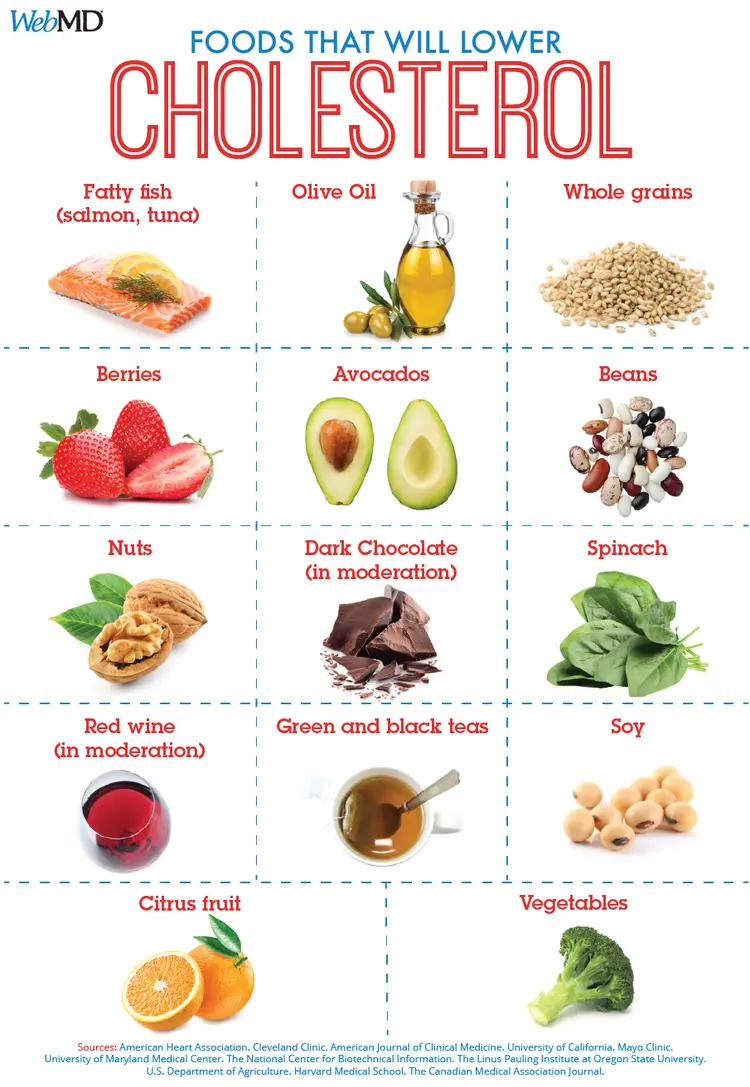
Changing your diet is a key step to lower cholesterol naturally. What you eat affects your cholesterol levels. Choosing the right foods helps reduce bad cholesterol and supports heart health. Small diet changes can make a big difference over time.
Foods To Include
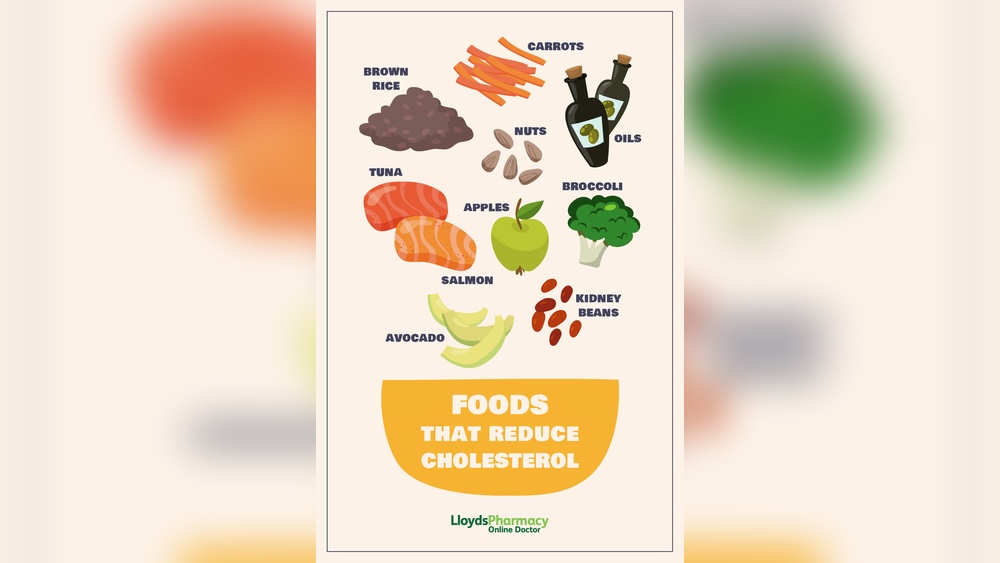
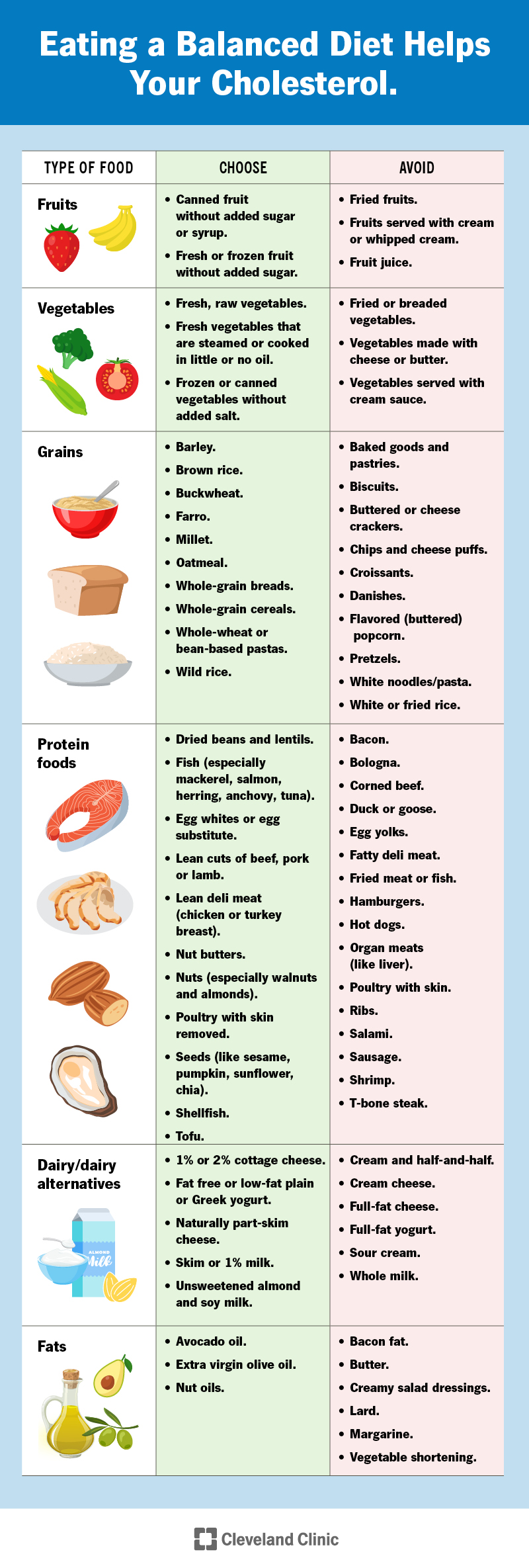
Eat plenty of fruits and vegetables every day. They contain fiber that helps lower cholesterol. Whole grains like oats and barley are great choices. Nuts and seeds provide healthy fats that improve cholesterol levels. Fatty fish, such as salmon and mackerel, have omega-3 fats that protect your heart. Use olive oil instead of butter for cooking. Beans and legumes are good protein sources that also lower cholesterol.
Foods To Avoid
Stay away from foods high in saturated fats. This includes fatty cuts of meat and full-fat dairy products. Fried foods often contain unhealthy trans fats. Avoid processed snacks and baked goods like cookies and pastries. Fast food can raise bad cholesterol quickly. Limit intake of sugary drinks and sweets. These foods can increase bad cholesterol and harm your heart.
Exercise And Physical Activity
Exercise and physical activity play a key role in controlling cholesterol naturally. Moving your body helps lower bad cholesterol (LDL) and raise good cholesterol (HDL). It also improves heart health and blood flow. Regular activity strengthens your heart and reduces the risk of heart disease.
Simple exercises can make a big difference. You do not need to spend hours at the gym. Even small changes in daily movement can improve cholesterol levels and overall health.
Best Exercises For Heart Health
Walking briskly for 30 minutes most days is very effective. It helps burn fat and improves cholesterol balance. Cycling and swimming are also excellent choices. They raise heart rate and build endurance without stress on joints. Strength training twice a week supports muscle health and boosts metabolism. Combine these exercises for the best results.
Incorporating Activity Into Daily Life
Take the stairs instead of the elevator. Park farther from store entrances. Do simple stretches or walk during breaks. Gardening and household chores count too. Aim to move more throughout the day. Small steps add up and help control cholesterol naturally.
Natural Supplements And Remedies
Natural supplements and remedies can support healthy cholesterol levels. They work alongside a balanced diet and regular exercise. Many people prefer these options to avoid side effects of some medicines. Supplements and herbs often help reduce bad cholesterol and improve heart health.
Common Supplements
Omega-3 fatty acids help lower triglycerides and raise good cholesterol. Fish oil is a popular source of omega-3s. Another supplement is niacin, known to reduce bad cholesterol. Plant sterols and stanols block cholesterol absorption in the gut. Psyllium husk, a fiber supplement, helps reduce LDL cholesterol. These supplements are easy to add to daily routines.
Herbal Options
Garlic is a well-known herb for heart health. It may help lower cholesterol levels naturally. Red yeast rice contains compounds that reduce cholesterol production. Green tea offers antioxidants that support cholesterol balance. Turmeric has anti-inflammatory properties beneficial for heart health. These herbs come in teas, capsules, or powders for convenience.
Lifestyle Habits For Healthy Cholesterol
Healthy cholesterol levels start with simple lifestyle habits. Small changes in daily routines can make a big difference. These habits help lower bad cholesterol and raise good cholesterol. They also improve heart health and overall well-being.
Managing Stress
Stress raises cholesterol and blood pressure. Finding ways to relax helps control these levels. Deep breathing exercises calm the mind and body. Regular physical activity reduces stress hormones. Sleep is also important for managing stress. Aim for 7 to 8 hours each night. Avoiding stressful situations when possible supports heart health.
Avoiding Tobacco And Alcohol
Smoking damages blood vessels and lowers good cholesterol. Quitting tobacco improves cholesterol and heart function. Alcohol in small amounts may help good cholesterol. Large amounts raise bad cholesterol and blood pressure. Limiting alcohol intake protects the heart. Choose water or herbal tea as daily drinks.
Credit: my.clevelandclinic.org
Monitoring And Tracking Progress
Tracking your cholesterol levels helps you understand how well your efforts work. It shows if your diet, exercise, and lifestyle changes reduce harmful cholesterol. Monitoring progress keeps you motivated and aware of your heart health. It also helps catch any changes early, preventing health problems.
Regular Health Checkups
Visit your doctor for cholesterol tests regularly. These tests measure LDL, HDL, and total cholesterol. Your doctor can give advice based on your results. Regular checkups ensure your heart stays healthy. They also help adjust your plan if needed. Most doctors recommend testing every 4 to 6 months.
Using Home Testing Kits
Home testing kits offer a simple way to check cholesterol. You can test your levels anytime without visiting a clinic. These kits use a small blood sample from your finger. Results appear quickly, helping you track changes often. Always follow instructions carefully for accurate results. Share home test results with your doctor for advice.

Credit: www.health.harvard.edu
Frequently Asked Questions
What Foods Help Lower Cholesterol Naturally?
Foods rich in soluble fiber like oats, beans, and fruits help reduce cholesterol. Nuts, fatty fish, and olive oil also promote heart health. Avoiding trans fats and limiting saturated fats further supports cholesterol control naturally.
How Does Exercise Reduce Cholesterol Levels?
Regular exercise boosts HDL (good cholesterol) and lowers LDL (bad cholesterol). It improves heart health and helps maintain a healthy weight. Aim for 30 minutes of moderate exercise most days to naturally control cholesterol.
Can Stress Affect Cholesterol Levels?
Yes, chronic stress can increase LDL cholesterol and lower HDL. Managing stress through relaxation techniques and physical activity can positively impact cholesterol. Reducing stress supports overall heart health and cholesterol balance naturally.
Are Natural Supplements Effective For Cholesterol Control?
Some supplements like omega-3 fatty acids, psyllium, and plant sterols can help lower cholesterol. However, they should complement a healthy diet and lifestyle, not replace medical advice or prescribed medications.
Conclusion
Controlling cholesterol naturally takes simple daily choices. Eating healthy foods helps reduce bad cholesterol. Regular exercise strengthens your heart and lowers risk. Managing stress keeps your body balanced and calm. Small changes add up to big health benefits. Stay consistent and patient with your efforts.
Your heart will thank you for the care. Natural methods support a healthier, longer life. Start today—your body deserves the best care.