
Imagine boosting your energy, improving your mood, and strengthening your heart—all by simply walking 30 minutes every day. What if this small change could help you sleep better, reduce stress, and even sharpen your mind?
You don’t need special equipment or a gym membership to start. You’ll discover how just half an hour of walking daily can transform your health and well-being in ways you might not expect. Keep reading to find out how this easy habit can make a big difference in your life.
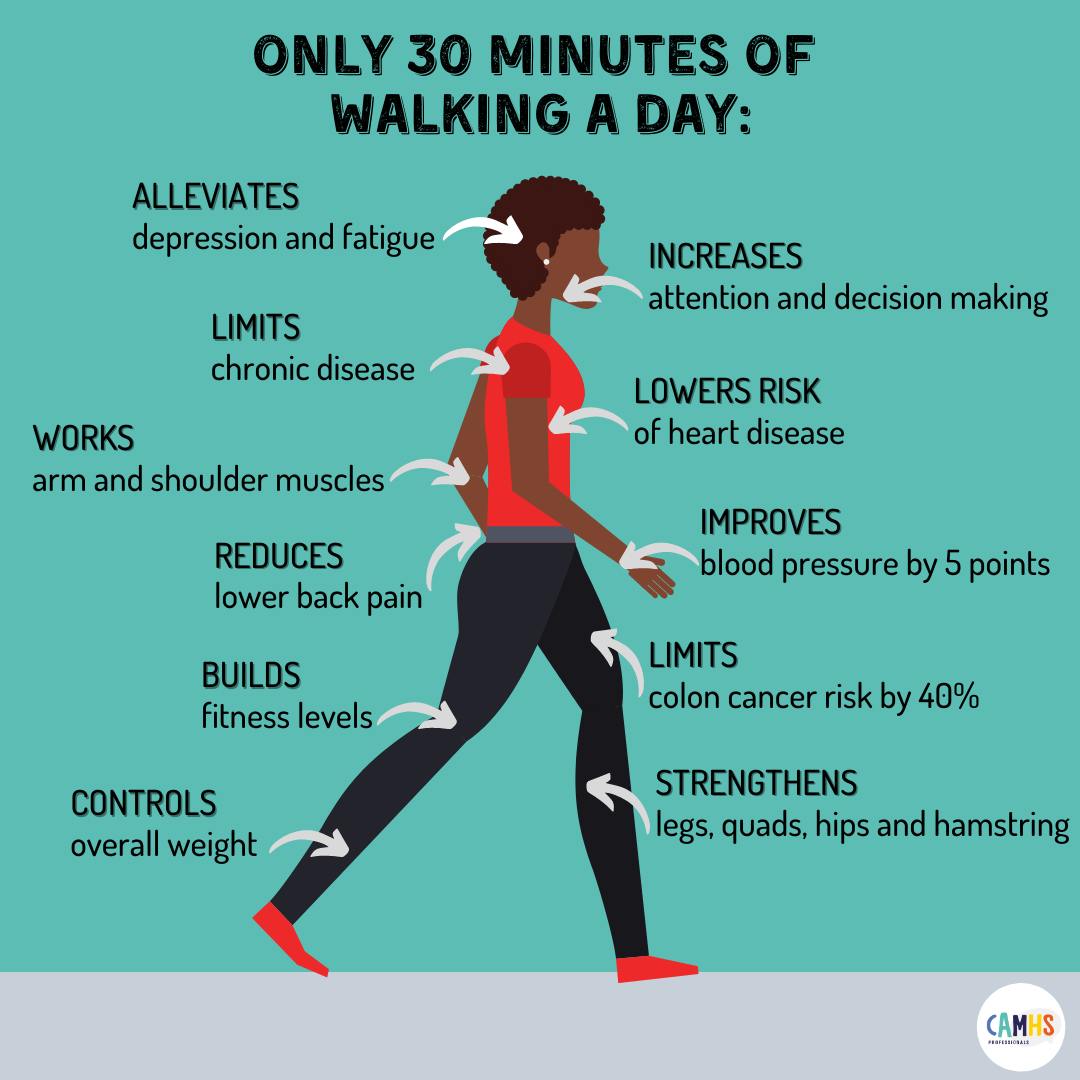
Credit: camhsprofessionals.co.uk
Physical Health Gains
Walking for 30 minutes daily brings many physical health benefits. It helps the heart, muscles, and joints stay strong and healthy. This simple activity supports overall body function and improves daily energy levels. Regular walking can reduce the risk of many health problems.
Improved Cardiovascular Fitness
Walking boosts heart health by increasing blood flow. It lowers blood pressure and reduces bad cholesterol. This helps prevent heart disease and stroke. A stronger heart means better endurance and less fatigue during daily tasks.
Enhanced Muscle Strength
Walking tones leg muscles and strengthens the core. It works the calves, thighs, and hips gently but effectively. Stronger muscles improve balance and reduce the chance of falls. Muscle strength also supports better posture and easier movement.
Better Joint Mobility
Walking keeps joints flexible and reduces stiffness. It helps lubricate the joints, easing movement. This lowers the risk of arthritis and joint pain. Regular walking supports healthy cartilage and keeps the body active.
Credit: www.piedmontwellnesscenter.com
Mental Health Boosts
Walking for 30 minutes daily brings many mental health benefits. It helps clear your mind and relax your body. This simple activity can improve your mood and keep your brain sharp. Daily walking supports emotional balance and mental clarity.
Spending time outside and moving your body affects your brain in positive ways. These effects build over time, leading to better mental health. Let’s explore how walking helps reduce stress, lift mood, and improve thinking skills.
Reduced Stress Levels
Walking lowers stress hormones in your body. It helps your muscles relax and eases tension. The steady rhythm calms your mind and slows racing thoughts. Nature walks especially enhance feelings of peace and calm. Regular walking can make daily worries feel smaller.
Elevated Mood And Energy
Walking releases chemicals in your brain that make you feel good. It raises serotonin and endorphin levels, boosting happiness. A short walk can brighten your day and increase energy. This natural mood lift helps fight fatigue and low spirits. Walking regularly supports a positive outlook on life.
Sharper Cognitive Function
Walking improves blood flow to the brain. This supports memory, focus, and problem-solving skills. It helps keep your mind alert and clear. Regular walking can slow down mental decline as you age. Just 30 minutes a day helps your brain work better.
Weight Management
Managing weight is easier with simple habits. Walking for 30 minutes every day helps control body weight. It burns calories and improves how the body uses energy. Small steps add up to big results over time.
Increased Calorie Burn
Walking burns calories, which helps reduce fat. Even a gentle pace uses energy. The more you walk, the more calories you burn. This daily activity supports steady weight loss and prevents gain.
Appetite Regulation
Walking affects hunger signals in the body. It can lower cravings for unhealthy snacks. Regular walks help balance appetite hormones. This makes it easier to eat the right amount of food.
Metabolism Activation
Walking boosts metabolism, the rate the body burns energy. A faster metabolism helps maintain weight. Daily walking keeps the metabolic rate steady. This means your body works better all day long.
Daily Energy Lift
Walking for just 30 minutes daily gives a strong boost to your energy. It helps your body feel more awake and ready for the day. This simple activity wakes up your whole system, making you less tired and more focused.
Small steps lead to big changes in how you feel. Let’s explore how walking lifts your energy every day.
Improved Blood Circulation
Walking moves your muscles and heart. It pushes blood through your veins faster. This means oxygen and nutrients reach your body parts quicker. Good blood flow helps your body work better. You feel more alive and active.
Enhanced Oxygen Flow
As you walk, your breathing deepens. This brings more oxygen into your lungs. Oxygen travels in the blood to your brain and muscles. More oxygen means better brain focus and muscle strength. Your body feels fresh and alert.
Reduced Fatigue
Regular walking cuts down tiredness over time. It helps your body release natural energy boosters. These chemicals fight stress and make you feel happy. Walking also improves sleep, so you wake up refreshed. Less fatigue means more energy for your daily tasks.
Easy Integration Tips
Adding a daily 30-minute walk to your routine can be simple. Small changes make a big difference. Here are easy tips to help you start and keep walking every day.
Choosing The Right Time
Pick a time that fits your day well. Morning walks can boost energy for the day. Evening walks help you relax after work. Try different times to find what feels best. Consistency helps build a strong habit.
Incorporating Variety
Change your route to keep walks interesting. Walk in parks, neighborhoods, or near water. Try different speeds or add small hills for a challenge. Walk with friends or listen to music or podcasts. Variety stops boredom and keeps you engaged.
Staying Motivated
Set small goals to track progress. Celebrate each milestone, no matter how small. Use a walking app or a simple calendar to mark your walks. Remember why you started—better health and mood. Keep your walking gear ready and visible for easy access.
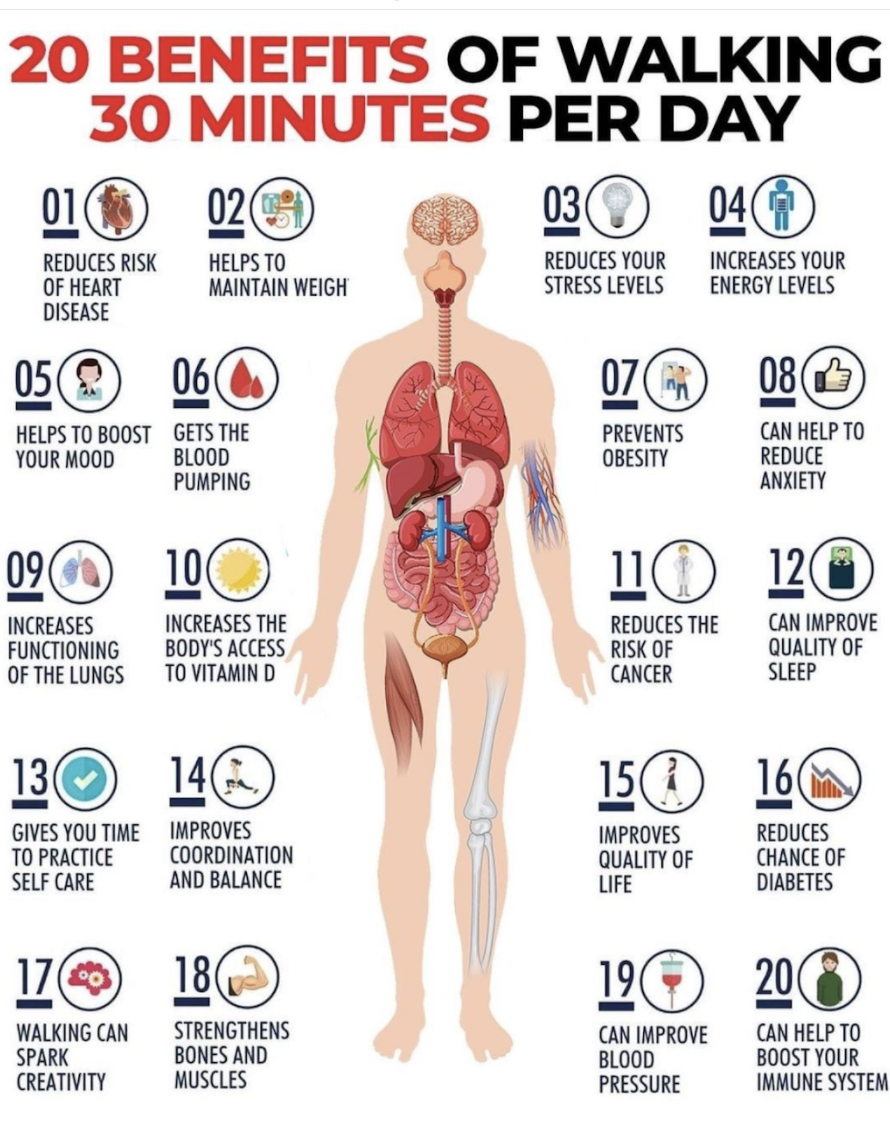
Credit: www.purejoywellness.com
Frequently Asked Questions
What Are The Main Health Benefits Of Walking 30 Minutes Daily?
Walking 30 minutes daily improves heart health, boosts mood, and aids weight management. It enhances circulation and strengthens muscles, reducing chronic disease risks.
How Does Daily Walking Affect Mental Health And Stress?
Daily walking releases endorphins that reduce stress and anxiety. It improves sleep quality and sharpens focus, promoting overall mental well-being.
Can Walking 30 Minutes Help With Weight Loss Effectively?
Yes, walking burns calories and boosts metabolism. Consistent 30-minute walks support gradual, sustainable weight loss when combined with a healthy diet.
Is Walking Better Than Other Exercises For Beginners?
Walking is low-impact, easy, and accessible for all fitness levels. It builds endurance safely, making it ideal for beginners starting an exercise routine.
Conclusion
Walking 30 minutes every day brings many health benefits. It helps your heart stay strong and boosts your mood. You can feel more energetic and reduce stress easily. Walking also supports weight control and improves sleep quality. It’s simple, free, and fits any schedule.
Small steps lead to big changes. Try making walking a daily habit. Your body and mind will thank you.