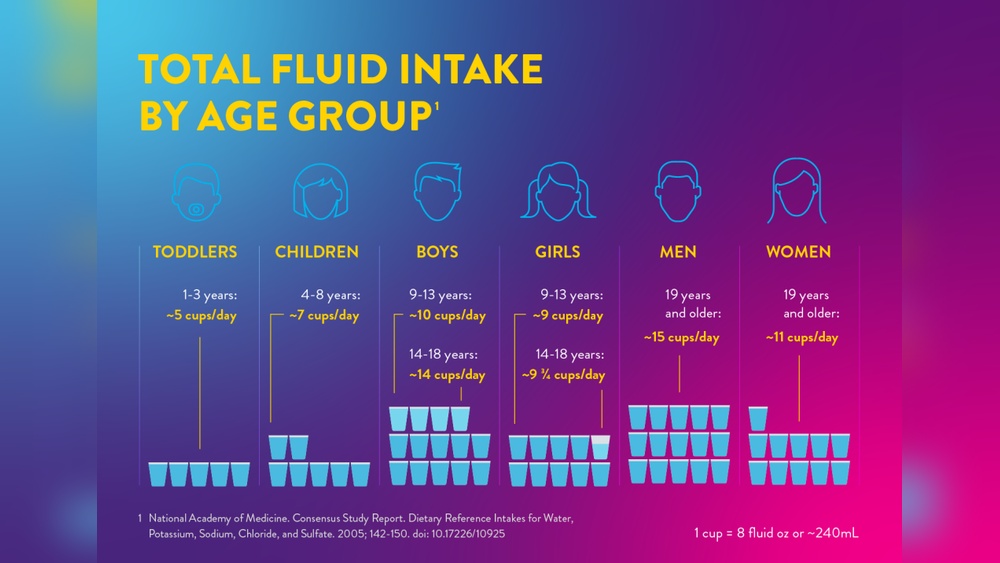
How much water should you drink a day? It’s a question you’ve probably heard before, but the answer isn’t as simple as “eight glasses.” Your body needs the right amount to stay healthy, energized, and focused.
Drinking too little can leave you tired and sluggish, while drinking too much might cause problems too. You’ll discover exactly how much water your body truly needs, how to tell if you’re hydrated, and easy tips to keep your water intake just right.
Keep reading—your body will thank you.
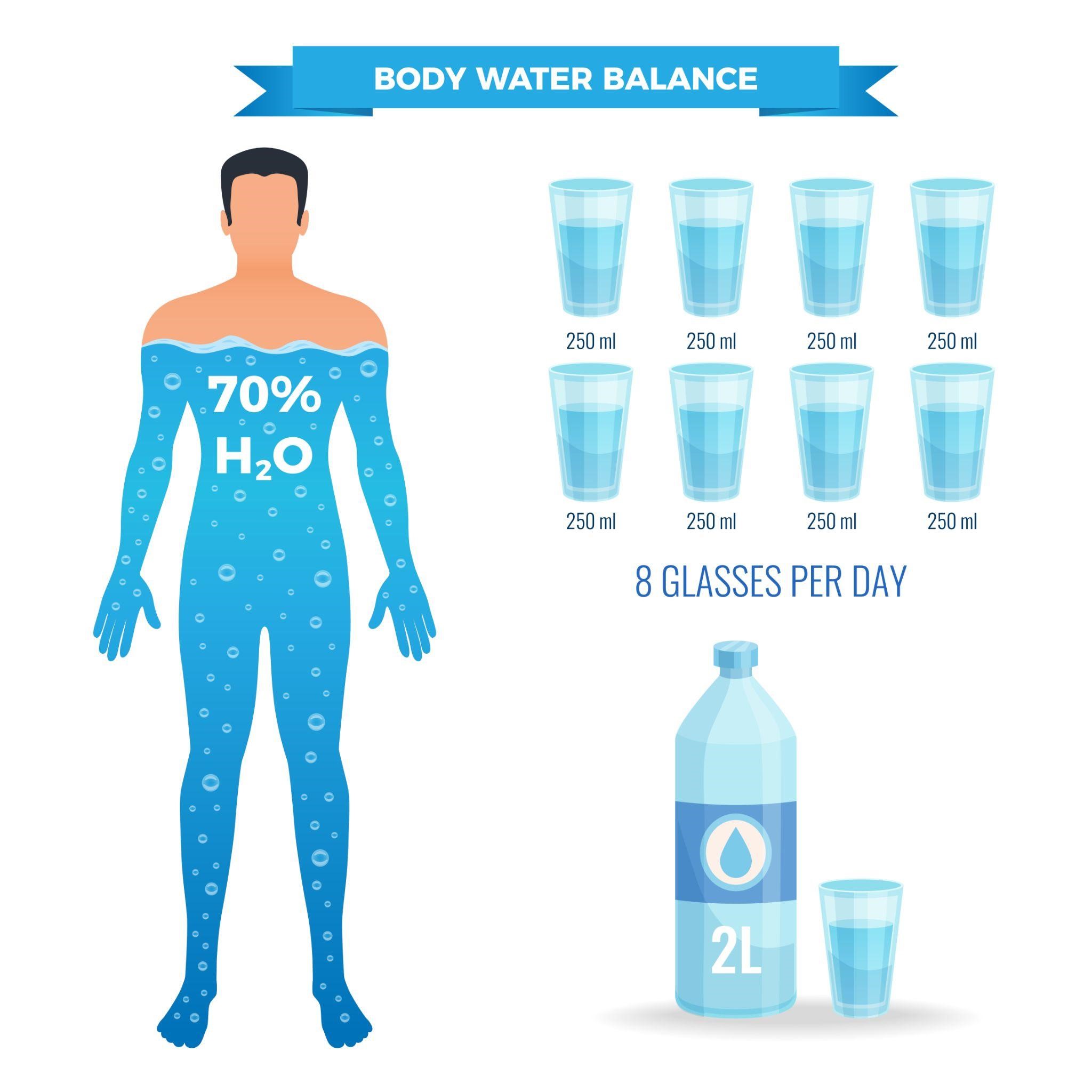
Credit: www.medkart.in
Daily Water Needs
Water is essential for the body to work well. It helps keep the body cool, supports digestion, and carries nutrients. Knowing how much water to drink daily can improve health and energy. Daily water needs depend on many things.
General Recommendations
The common advice is to drink about eight 8-ounce glasses of water a day. This equals roughly 2 liters or half a gallon. This is easy to remember and a good start for most people. Men often need about 3.7 liters of water daily, while women need 2.7 liters. This amount includes all drinks and food with water.
Factors Affecting Water Intake
Water needs change based on activity, weather, and health. People who exercise or work hard need more water. Hot or dry weather increases the amount of water you lose. Illness, like fever or diarrhea, also raises water needs. Pregnant and breastfeeding women require extra water for their bodies and babies. Age matters too; older adults may need to drink more water.
Signs Of Dehydration
Water is vital for your body to work well. Not drinking enough water leads to dehydration. Knowing the signs helps you act fast. Dehydration affects many parts of your body. It can cause mild discomfort or serious health problems. Watch your body closely for these signs.
Common Symptoms
Dry mouth and thirst are early signs of dehydration. Your skin may feel dry or less elastic. Feeling tired or dizzy can also occur. Headaches often come with not enough water. Dark yellow urine shows your body needs fluids. Sometimes, your heart beats faster than usual. Muscle cramps may start if dehydration worsens.
Severe Dehydration Risks
Severe dehydration is dangerous and needs quick care. It can cause confusion or fainting. Your breathing may become rapid or irregular. Low blood pressure is a common risk. The body may struggle to keep cool. Organ damage can happen if untreated. Seek medical help if these signs appear.
Benefits Of Proper Hydration
Drinking enough water each day helps your body work well. Proper hydration supports many important functions. It keeps your organs healthy and helps you feel good. Water also helps your body get rid of waste and stay cool. These benefits make hydration a key part of a healthy lifestyle.
Physical Health
Water is essential for your muscles and joints. It stops cramps and keeps movements smooth. Proper hydration helps your skin stay soft and clear. It also aids digestion by helping food break down. Drinking enough water supports your heart by easing its work. It lowers the risk of kidney stones and infections too.
Mental Performance
Water boosts your brain function and focus. Dehydration can cause tiredness and trouble thinking. Staying hydrated improves memory and alertness. It helps you stay calm and reduces headaches. Your mood gets better with enough water. Clear thinking becomes easier with proper hydration.
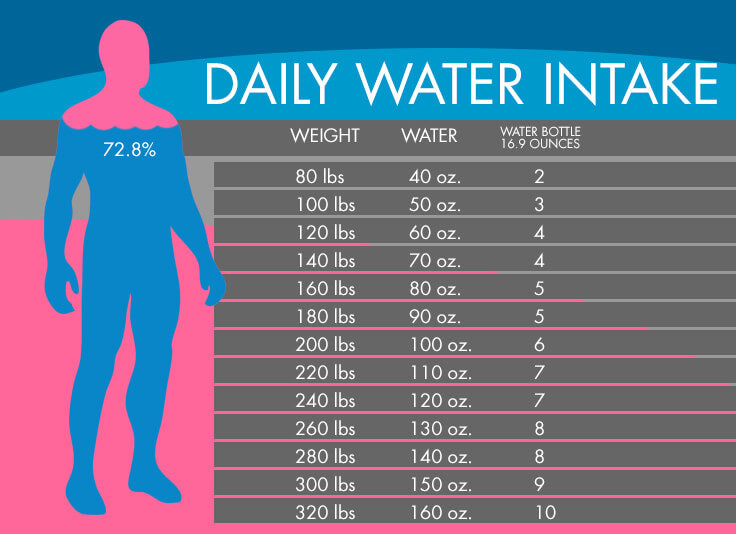
Credit: drinkinternational.com
Water Sources Beyond Drinking
Water is essential for life, but drinking plain water is not the only way to stay hydrated. Many foods and drinks contain water and can help you meet your daily needs. These sources provide fluids along with vitamins and minerals your body needs.
Eating water-rich foods and drinking other beverages can add to your total water intake. This variety keeps hydration interesting and supports your overall health.
Foods High In Water
Some fruits and vegetables have very high water content. Watermelon, cucumber, and lettuce are over 90% water. Eating these foods helps keep you hydrated and provides fiber and nutrients. Other good choices include oranges, strawberries, celery, and zucchini. Soups and broths also count as water sources and can warm you up on cold days.
Other Beverages
Besides plain water, many drinks add to hydration. Herbal teas, milk, and diluted fruit juices contain water and nutrients. Avoid sugary drinks or those with caffeine in large amounts, as they may cause dehydration. Drinking a variety of fluids throughout the day supports steady hydration and keeps you feeling refreshed.
Hydration Tips For Different Lifestyles
Hydration needs vary by lifestyle. Drinking enough water helps the body work well. Different people need different amounts of water daily. Here are hydration tips for active individuals, older adults, and children.
Active Individuals
Active people lose more water through sweat. They need to drink more to stay hydrated. Water before, during, and after exercise keeps energy levels high. Sports drinks can help during long workouts. Avoid waiting to feel thirsty. Drink small amounts regularly.
Older Adults
Older adults often feel less thirsty. This can lead to dehydration. Drinking water regularly is very important. Keep a water bottle nearby to sip often. Eating fruits and vegetables also adds water to the body. Avoid drinks that cause dehydration, like too much coffee.
Children
Children need water for growth and energy. They often forget to drink enough. Offer water during playtime and meals. Limit sugary drinks and juices. Water keeps their minds sharp and bodies strong. Make water fun by using colorful cups or bottles.
Myths About Water Intake
Water is essential for life. Many people hear different advice about how much water to drink daily. Some of these ideas are not true. These myths can confuse people about their real water needs.
Debunking Common Misconceptions
One common myth says everyone must drink eight glasses of water daily. This rule is not based on strong science. Water needs change from person to person. Factors like age, activity, and weather matter.
Another myth claims drinking lots of water flushes out toxins fast. The body removes waste mainly through the liver and kidneys. Drinking enough water helps, but more is not always better.
Some believe thirst means dehydration. Thirst is the body’s signal to drink. Usually, drinking when thirsty keeps the body well hydrated.
How Much Is Too Much?
Drinking too much water can cause problems. It may dilute the body’s salt levels. This condition, called hyponatremia, can be dangerous.
Signs of too much water include headache, nausea, and confusion. Most people do not need to worry about this. It usually happens to athletes who drink excessive water quickly.
Balance is key. Drinking water steadily throughout the day supports good health.
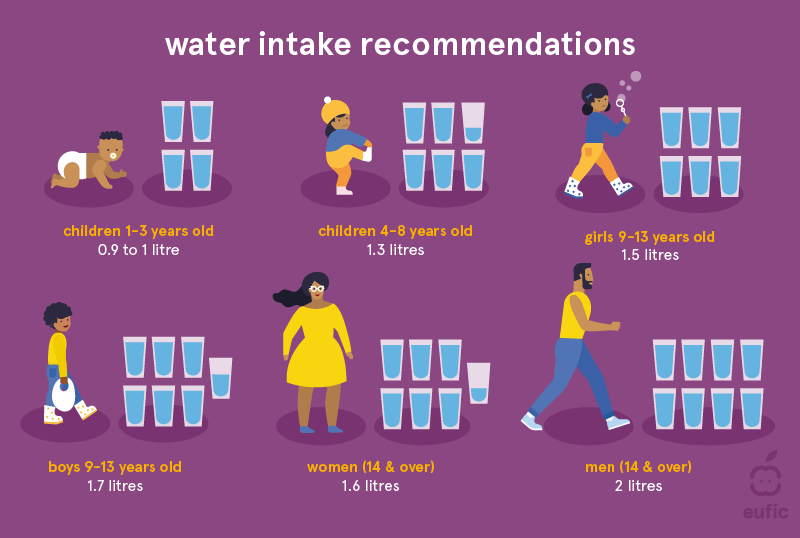
Credit: www.eufic.org
Frequently Asked Questions
How Much Water Do Adults Need Daily?
Adults generally need about 2 to 3 liters (8 to 12 cups) of water daily. This varies with activity, age, and climate. Drinking enough water supports bodily functions, hydration, and overall health.
Can Drinking Too Much Water Be Harmful?
Yes, excessive water intake can cause water intoxication or hyponatremia. This condition dilutes blood sodium levels and may lead to serious health issues. Moderation is key for safe hydration.
Does Exercise Increase Water Requirements?
Yes, physical activity raises water needs. Sweating causes fluid loss, so drinking extra water before, during, and after exercise helps maintain hydration and performance.
Is Thirst A Reliable Indicator Of Hydration?
Thirst is a natural signal indicating your body needs water. However, it may not always be timely. Regular water intake prevents dehydration before thirst occurs.
Conclusion
Drinking enough water helps your body work well every day. Water keeps you healthy, active, and full of energy. The right amount depends on your age, weight, and activity. Listen to your body’s signals like thirst and dry mouth. Drinking regularly, not just when thirsty, is a smart habit.
Keep a bottle nearby to remind yourself. Small sips throughout the day work better than large gulps. Staying hydrated supports your skin, digestion, and brain. Water is simple but powerful for your health. Make drinking water a daily priority.