
Are you struggling to build muscle despite your workouts? The secret to faster muscle gain lies in what you eat.
High protein foods are your best allies when it comes to growing stronger and recovering quicker. Imagine fueling your body with the right nutrients that not only boost muscle growth but also keep you energized throughout the day. You’ll discover the top high protein foods that can transform your muscle-building journey.
Ready to unlock your body’s full potential? Keep reading to find out which foods you should add to your plate today.
Benefits Of High Protein For Muscle
Eating high protein foods helps build strong muscles. Protein is a key nutrient for muscle health. It supports many important processes in the body. High protein intake is vital for anyone who wants to gain muscle.
Muscle Repair And Growth
Protein helps fix muscles after exercise. Workouts cause tiny muscle tears. Protein provides building blocks to repair these tears. This repair makes muscles bigger and stronger. Without enough protein, muscles cannot grow well.
Increased Metabolism
Eating protein raises the number of calories burned. The body uses more energy to digest protein than fats or carbs. This effect is called the thermic effect of food. A higher metabolism helps burn fat and keep muscles visible.
Enhanced Recovery
Protein speeds up recovery after workouts. It reduces muscle soreness and fatigue. Faster recovery means you can train more often. This helps maintain steady muscle growth over time.

Credit: www.amazon.com
Animal-based Protein Sources
Animal-based protein sources are excellent for muscle gain. These foods provide all essential amino acids needed to build and repair muscles. They are rich in nutrients that support strength and recovery.
Including animal proteins in your diet helps increase muscle mass effectively. They are generally easy to digest and absorb, making them ideal after workouts.
Chicken Breast
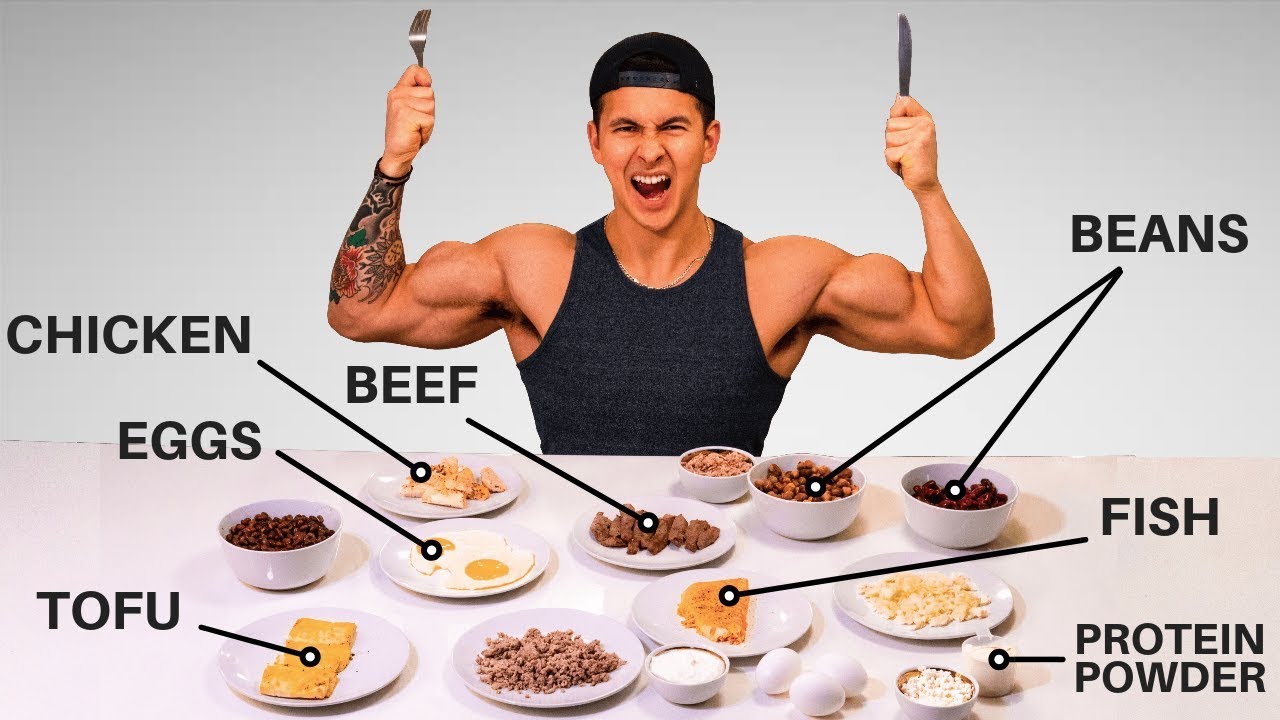
Chicken breast is a popular choice for muscle building. It is low in fat and high in protein. A 3-ounce serving contains about 26 grams of protein. This makes it perfect for lean muscle growth and weight control.
Lean Beef
Lean beef offers a rich source of protein and iron. Iron helps carry oxygen to muscles, improving performance. It also contains creatine, which supports strength and power. Choose cuts like sirloin or round for less fat.
Eggs
Eggs are a complete protein source with all essential amino acids. They contain about 6 grams of protein each. Eggs also provide vitamins and minerals important for muscle health. Eating whole eggs helps with muscle repair and growth.
Fish And Seafood
Fish and seafood are excellent for protein and omega-3 fats. Omega-3s reduce muscle soreness and inflammation. Salmon, tuna, and shrimp are rich in protein and healthy fats. These foods support muscle recovery and overall health.
Plant-based Protein Options
Plant-based protein sources provide excellent options for muscle gain. They supply essential nutrients and support muscle repair. Many athletes and fitness fans choose these options for health and variety. Plant proteins often come with fiber, vitamins, and minerals. These help overall body health and digestion. Here are some top plant-based proteins to include in your diet.
Legumes And Beans
Legumes and beans are rich in protein and fiber. Lentils, chickpeas, black beans, and kidney beans are popular choices. They contain around 15 to 18 grams of protein per cooked cup. These foods also provide iron and antioxidants. Beans support muscle growth and keep you full longer.
Tofu And Tempeh
Tofu and tempeh are soy-based proteins. Both are complete proteins with all essential amino acids. Tofu has a soft texture, while tempeh is firmer and nutty. They each offer about 15 to 20 grams of protein per half cup. These foods are great for stir-fries, salads, or sandwiches.
Quinoa And Whole Grains
Quinoa is a unique grain with high protein content. It has about 8 grams of protein per cooked cup. Quinoa contains all nine essential amino acids. Other whole grains like brown rice and oats provide some protein too. These grains fuel your body and help muscle recovery.
Nuts And Seeds
Nuts and seeds pack protein and healthy fats. Almonds, walnuts, chia seeds, and flaxseeds are excellent choices. They offer 4 to 7 grams of protein per ounce. These foods boost energy and support muscle repair. Add them to meals or snacks for extra protein.

Credit: fitnesshealth.co
Dairy And Protein Supplements
Dairy products and protein supplements provide excellent sources of protein for muscle gain. They contain essential amino acids needed to build and repair muscles. These foods are easy to include in daily meals and snacks.
They support muscle recovery and help maintain muscle mass during workouts. Both dairy and supplements offer different digestion rates, which benefit muscle growth at various times.
Greek Yogurt
Greek yogurt is rich in protein and low in sugar. It contains casein and whey proteins, which help build muscles. This yogurt is creamy and thick, making it a tasty snack or meal addition.
It also has probiotics that improve digestion and overall health. Eating Greek yogurt after exercise aids muscle recovery quickly.
Cottage Cheese
Cottage cheese is a high-protein dairy product with a mild taste. It contains mostly casein protein, which digests slowly. This slow digestion helps provide a steady supply of amino acids to muscles.
Many athletes eat cottage cheese before bed to support muscle repair during sleep. It is also low in fat and calories, fitting well in muscle-building diets.
Whey Protein
Whey protein is a fast-digesting supplement made from milk. It contains all essential amino acids needed for muscle growth. Whey protein powders mix easily with water or milk, making quick protein shakes.
Consuming whey protein after workouts helps muscles recover and grow faster. It is one of the most popular supplements among bodybuilders and athletes.
Casein Protein
Casein protein digests slowly, providing a steady amino acid release. It is ideal to consume before sleep or long breaks without food. Casein helps prevent muscle breakdown during fasting periods.
Casein supplements come in powder form and can be mixed into shakes or recipes. Using casein supports muscle maintenance and growth effectively.
Timing And Quantity For Muscle Gain
Timing and quantity of protein intake play a key role in muscle gain. Eating the right amount of protein at proper times helps muscles repair and grow. Small changes in when and how much protein you eat can make a big difference in your progress.
Pre-workout Protein Intake
Eating protein before exercise feeds your muscles with amino acids. This helps reduce muscle breakdown during workouts. Aim to eat a moderate protein meal 1 to 2 hours before training. Good options include yogurt, a protein shake, or a small chicken breast. This prepares your body for intense exercise.
Post-workout Nutrition
Protein after exercise is vital to muscle recovery. Muscles repair best in the first 30 to 60 minutes after training. Eat 20 to 30 grams of fast-digesting protein during this time. Whey protein, eggs, or lean meat work well. Combine protein with some carbs to refill energy stores.
Daily Protein Requirements
Muscle gain requires enough protein throughout the day. Most experts suggest 1.6 to 2.2 grams of protein per kilogram of body weight. Divide this into 3 to 5 meals for steady amino acid supply. Consistent intake supports muscle growth and strength over time.
Credit: www.youtube.com
Tips For Maximizing Protein Absorption
Maximizing protein absorption is essential for muscle gain. Eating high-protein foods alone does not guarantee that your body uses all the protein. Some simple habits can help your body absorb more protein and support muscle growth effectively.
Combining Protein Sources
Different protein sources have different amino acids. Combining plant and animal proteins creates a complete amino acid profile. For example, rice and beans together provide all essential amino acids. This mix helps your muscles get the nutrients they need.
Hydration And Digestion
Water plays a key role in protein digestion. It helps break down protein into amino acids. Drink enough water during and after meals. Proper hydration supports nutrient absorption and keeps digestion smooth. This helps your body use protein better.
Avoiding Excessive Protein
Eating too much protein can strain your kidneys. It can also cause your body to waste extra protein. Stick to recommended protein amounts based on your weight and activity. Balanced intake ensures your body absorbs protein efficiently without stress.
Frequently Asked Questions
What Are The Best High Protein Foods For Muscle Gain?
Lean meats, eggs, dairy, fish, legumes, and protein powders are top choices. These foods provide essential amino acids that support muscle repair and growth effectively.
How Much Protein Do I Need Daily For Muscle Growth?
Aim for 1. 6 to 2. 2 grams of protein per kilogram of body weight daily. This range supports muscle synthesis and recovery when combined with strength training.
Can Plant-based Proteins Help Build Muscle Effectively?
Yes, plant proteins like beans, lentils, tofu, and quinoa contain muscle-building amino acids. Combining different sources ensures a complete protein profile for muscle gain.
When Is The Best Time To Eat Protein For Muscle Gain?
Consume protein throughout the day, especially post-workout within 30 minutes. This timing helps maximize muscle repair and growth after exercise.
Conclusion
Choosing the right high protein foods helps build strong muscles. Include lean meats, eggs, and dairy in your diet. Beans, nuts, and seeds offer good plant protein options. Eating protein regularly supports muscle repair and growth. Combine protein with exercise for the best results.
Stay consistent and patient; gains take time. Small changes in diet make a big difference. Keep your meals simple and balanced every day. Your muscles will thank you for the effort. Keep fueling your body with quality protein sources.