
Are you tired of tossing and turning night after night? Struggling to fall asleep or waking up feeling drained can take a real toll on your day.
The good news is, you don’t need pills or fancy gadgets to improve your rest. By making simple, natural changes, you can finally enjoy deep, refreshing sleep every night. Keep reading to discover easy tips that will help you relax, fall asleep faster, and wake up energized—without any harmful side effects.
Your best night’s sleep is closer than you think.
Benefits Of Quality Sleep
Quality sleep plays a key role in overall health and well-being. It affects how the body and mind work each day. Good sleep helps the brain stay sharp and the body stay strong.
Many people do not get enough restful sleep. This can lead to tiredness, poor focus, and weak immune function. Understanding the benefits of quality sleep can motivate better sleep habits.
Improved Memory And Learning
Sleep helps the brain process and store new information. It strengthens connections between brain cells. This makes it easier to remember facts and skills. A good night’s sleep supports better learning and problem-solving.
Stronger Immune System
During sleep, the body produces infection-fighting cells. These cells help protect against illnesses. Poor sleep lowers the immune defense, making sickness more likely. Regular quality sleep keeps the immune system strong.
Better Mood And Emotional Health
Sleep affects chemicals in the brain that regulate mood. Lack of sleep can cause irritability and stress. Good sleep helps maintain calmness and emotional balance. It reduces the risk of anxiety and depression.
Increased Energy And Physical Health
Sleep restores energy and repairs muscles. It supports heart health and controls blood pressure. Without enough sleep, the body feels tired and weak. Quality sleep boosts physical performance and overall vitality.
Credit: www.naturemade.com
Common Causes Of Poor Sleep
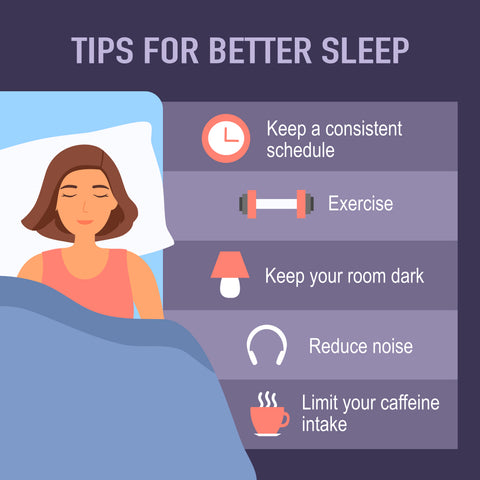
Poor sleep affects many people worldwide. It can hurt your mood, focus, and health. Understanding common causes helps improve sleep naturally. Many factors disrupt your rest. Some come from your daily habits. Others come from your environment or health conditions.
Stress And Anxiety
Stress keeps your mind active at night. Worries make it hard to relax. Anxiety increases heart rate and tension. These stop your body from falling asleep easily.
Poor Sleep Environment
Noisy or bright rooms disturb sleep. An uncomfortable bed or pillow also affects rest. Temperature matters. Too hot or cold rooms prevent deep sleep.
Irregular Sleep Schedule
Going to bed at different times confuses your body clock. This makes it harder to fall asleep quickly. Consistent sleep times help your body rest better.
Diet And Caffeine
Eating heavy meals late can cause discomfort. Caffeine in coffee, tea, or soda keeps you awake. Avoid these drinks in the afternoon and evening.
Medical Conditions
Health problems like asthma or pain disturb sleep. Sleep apnea causes breathing to stop briefly at night. These conditions need medical advice and care.
Create A Relaxing Bedtime Routine
Creating a relaxing bedtime routine helps your body prepare for sleep. It signals your brain that it is time to rest. This routine can improve your sleep quality naturally. A calm routine lowers stress and helps you fall asleep faster.
Limit Screen Time
Avoid screens at least one hour before bed. The blue light from phones and computers can keep you awake. Try reading a book or listening to soft music instead. This helps your eyes relax and your mind slow down.
Incorporate Calming Activities
Choose quiet activities that help you relax. Gentle stretching, deep breathing, or meditation work well. These activities reduce tension in your body. They prepare your mind for a peaceful sleep.
Set A Consistent Sleep Schedule
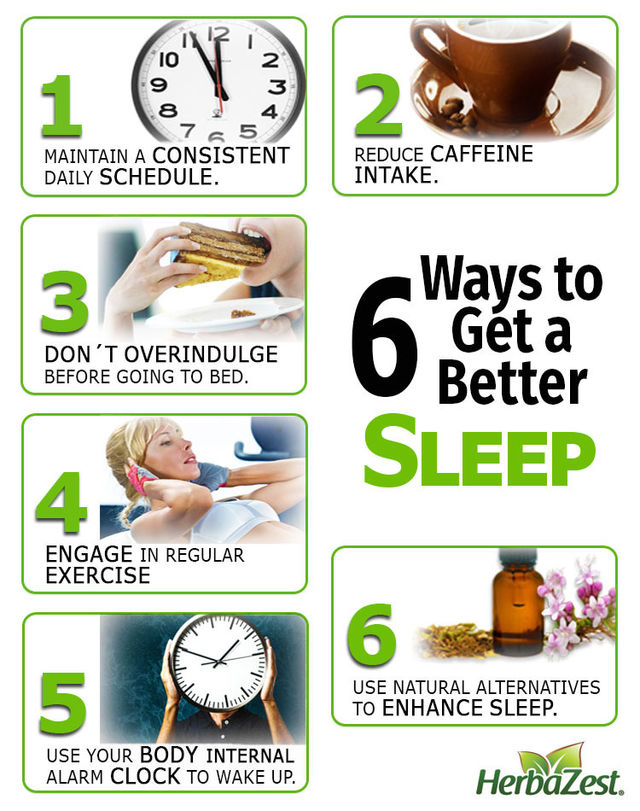
Go to bed and wake up at the same time every day. This trains your body to sleep better. Even on weekends, keep your schedule steady. Consistency makes it easier to fall asleep and wake up refreshed.
Credit: www.herbazest.com
Optimize Your Sleep Environment
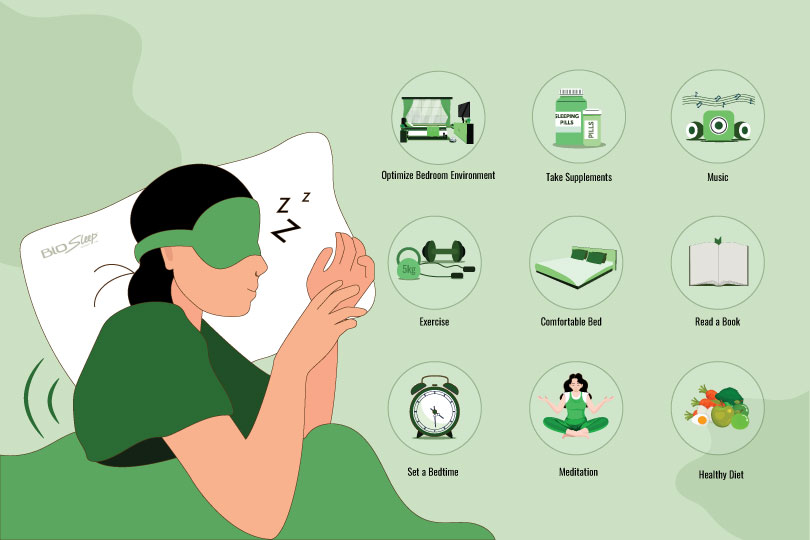
Creating the right space for sleep helps your body rest better. A calm and comfortable room can improve your sleep quality. Small changes in your bedroom can make a big difference. Focus on light, noise, bedding, and temperature to create a peaceful sleep environment.
Control Light And Noise
Light can stop your brain from feeling sleepy. Use blackout curtains or an eye mask to block light. Turn off screens at least 30 minutes before bed. Noise can also disturb your sleep. Try earplugs or a white noise machine to cover loud sounds.
Choose Comfortable Bedding
Soft and clean bedding helps your body relax. Pick a mattress that supports your back well. Use pillows that keep your neck in a natural position. Change bed sheets often to keep them fresh and cozy.
Maintain Ideal Room Temperature
The best room temperature for sleep is cool, not cold. Aim for about 65°F (18°C). Use fans or air conditioners if the room feels warm. If it is cold, try extra blankets or warmer pajamas. A steady temperature helps you fall asleep faster and stay asleep longer.
Mind Your Diet And Hydration
Diet and hydration play a big role in sleep quality. What you eat and drink can help or hurt your rest. Making smart choices supports better sleep naturally. Small changes in meals and fluids can make a difference.
Avoid Caffeine And Heavy Meals
Caffeine keeps your brain awake. It stays in your body for hours. Avoid coffee, tea, and soda late in the day. These drinks can delay sleep and cause tossing and turning.
Heavy meals before bed make digestion hard. This can cause discomfort and disrupt sleep. Eat light dinners 2 to 3 hours before sleeping. Choose foods that are easy to digest.
Stay Hydrated Without Overdoing It
Water helps the body work well during sleep. Drink enough water throughout the day. But do not drink too much before bed. Too much fluid can cause nighttime trips to the bathroom.
Balance is key. Sip water regularly but slow down in the evening. This helps avoid waking up and keeps sleep deep.
Exercise For Better Sleep
Exercise helps improve sleep quality naturally. It reduces stress and makes your body tired in a good way. This helps you fall asleep faster and enjoy deeper rest. Regular physical activity balances your sleep cycle and boosts your mood.
Best Times To Work Out
Morning workouts can help reset your body clock. They increase energy and improve alertness during the day. Exercising in the afternoon can also be good. Your body temperature is higher, which may boost performance.
Avoid intense exercise late at night. It can raise heart rate and keep you awake. Gentle activities in the evening, like stretching, work better. Find a time that fits your schedule and stick with it.
Types Of Sleep-enhancing Exercises
Walking and jogging are simple exercises that relax the mind. They help reduce anxiety and prepare your body for rest. Yoga and stretching improve flexibility and calm your nervous system. These exercises lower heart rate and clear your thoughts.
Strength training builds muscle and uses energy that aids sleep. Choose light to moderate intensity for best results. Avoid heavy lifting close to bedtime. Swimming and cycling offer low-impact options that promote relaxation. Pick exercises you enjoy to keep consistent.
Manage Stress And Anxiety
Stress and anxiety often keep people awake at night. They create a busy mind that stops relaxation. Managing these feelings can improve sleep quality naturally. Simple habits can calm your mind and help you rest better.
Practice Meditation And Breathing
Meditation helps slow down racing thoughts. It trains your brain to focus on the present moment. Try sitting quietly for a few minutes daily. Breathe deeply and slowly. Inhale through your nose, hold briefly, then exhale gently. This action lowers stress hormones and relaxes your body. Regular practice can make falling asleep easier.
Use Journaling To Clear Your Mind
Writing down your thoughts can reduce anxiety. Spend five minutes before bed jotting down worries or plans. This helps move worries out of your head onto paper. It creates mental space for rest. Journaling also allows you to reflect and organize your thoughts. A clearer mind leads to faster, deeper sleep.
Credit: biosleepconcept.com
Natural Sleep Aids And Supplements
Natural sleep aids and supplements can help improve your sleep without chemicals. They support the body’s own rhythms and help you relax. Many people use these aids to fall asleep faster and sleep deeper. These options can be gentle and safe when used correctly.
Herbal Remedies
Herbs like chamomile and valerian root have been used for centuries. Chamomile tea is calming and can ease your mind before bed. Valerian root may reduce the time it takes to fall asleep. Lavender is often used in oils or sprays to create a relaxing environment. These herbs work by soothing the nervous system. They do not cause strong side effects like some medications.
Melatonin And Other Supplements
Melatonin is a hormone that controls your sleep cycle. Supplements can help if your body does not make enough melatonin naturally. They are useful for shift workers or travelers with jet lag. Magnesium supports muscle relaxation and can improve sleep quality. Magnesium can be found in pills or powders. Another option is L-theanine, an amino acid that promotes calmness. These supplements can work well together to support restful sleep.
Frequently Asked Questions
What Natural Methods Improve Sleep Quality Effectively?
Natural methods like maintaining a regular sleep schedule, reducing screen time before bed, and practicing relaxation techniques improve sleep quality. Avoid caffeine late in the day and create a dark, cool sleeping environment. These habits promote deeper, more restful sleep naturally.
How Does Diet Affect Natural Sleep Improvement?
Eating a balanced diet rich in magnesium, calcium, and tryptophan supports better sleep. Avoid heavy meals and sugar close to bedtime. Hydrate adequately but reduce fluid intake before sleep to prevent disruptions. Proper nutrition helps regulate sleep cycles naturally.
Can Exercise Help Me Sleep Better Naturally?
Yes, regular moderate exercise improves sleep quality and duration. Aim to finish workouts at least three hours before bedtime. Exercise reduces stress and anxiety, promoting quicker sleep onset. However, avoid intense evening workouts to prevent sleep disturbances.
What Are The Best Relaxation Techniques For Better Sleep?
Techniques like deep breathing, meditation, and progressive muscle relaxation calm the mind and body. These practices reduce stress hormones and prepare your body for sleep. Incorporate them into your nightly routine for natural, improved sleep quality.
Conclusion
Better sleep comes from simple, natural habits. Stick to a regular bedtime and wake time. Keep your bedroom calm, dark, and cool. Avoid screens and heavy meals before bed. Try relaxing activities like reading or light stretches. These small changes make a big difference.
Give yourself time to adjust and be patient. Good sleep helps your body and mind feel fresh. Start today and enjoy peaceful nights ahead.