
Are you curious about intermittent fasting but unsure if it’s safe for you as a beginner? You’re not alone.
Many people wonder if skipping meals or changing their eating patterns could harm their health. The truth is, intermittent fasting can offer real benefits, but it’s important to know how to do it right. You’ll discover clear answers and practical tips that help you decide if intermittent fasting fits your lifestyle—without risking your well-being.
Keep reading to find out what you need to know before you start.
What Is Intermittent Fasting?
Intermittent fasting is a popular way to manage weight and improve health. It involves cycling between periods of eating and fasting. This method focuses on when you eat, not what you eat.
Many people find it easier than traditional diets. It does not require special foods or counting calories. Instead, it sets a schedule for meals and fasting times.
What Does Intermittent Fasting Mean?
Intermittent fasting means taking breaks from eating. These breaks can last from 12 to 24 hours. The goal is to let your body rest from digestion.
During fasting, your body uses stored fat for energy. This can help reduce body weight and improve metabolism.
Common Types Of Intermittent Fasting
The 16/8 method is the most popular. It involves fasting for 16 hours and eating during an 8-hour window. Another method is 5:2, where you eat normally five days and limit calories two days.
Alternate-day fasting means eating one day and fasting the next. Each type has its own benefits and suits different lifestyles.
How Intermittent Fasting Affects The Body
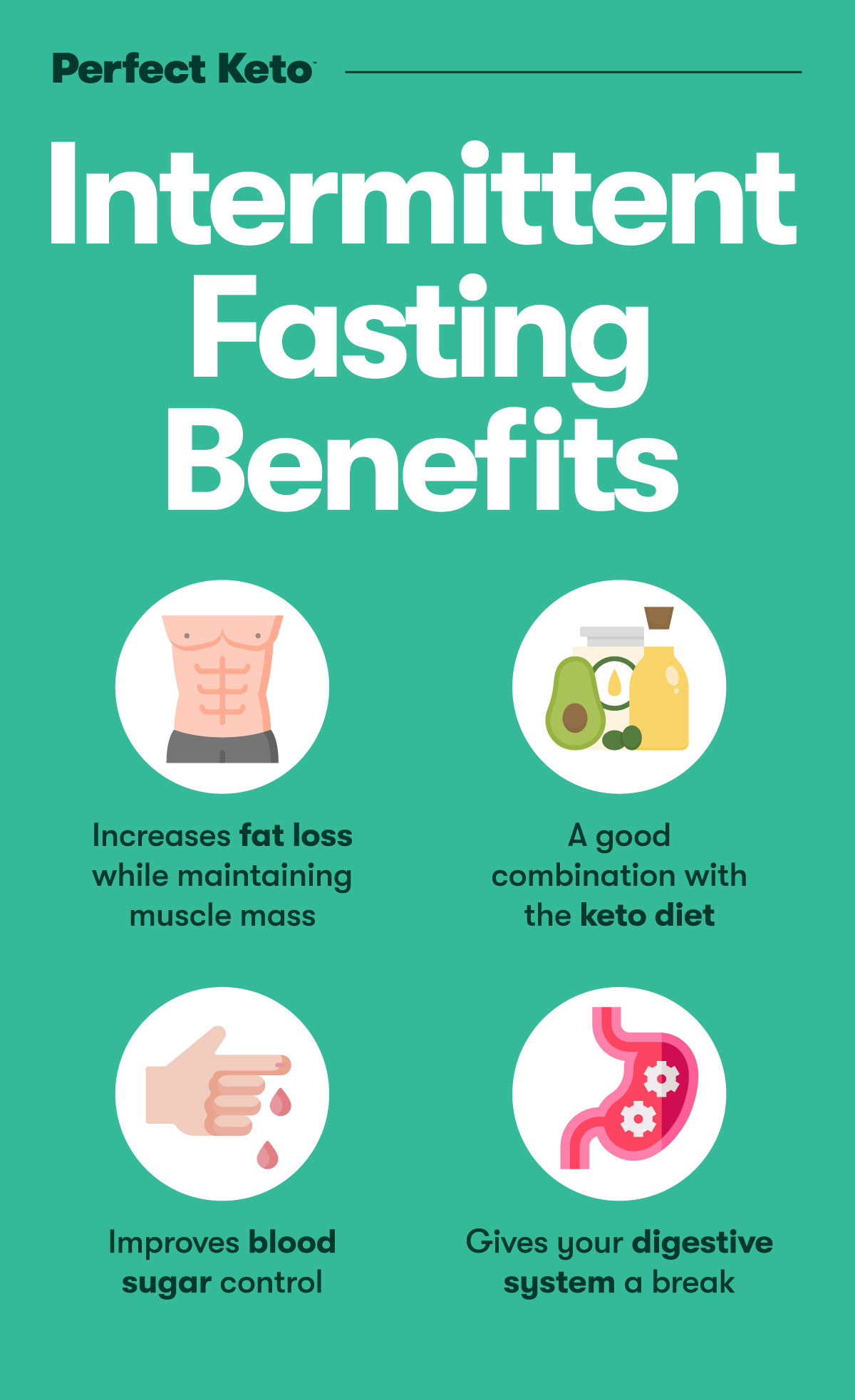
Fasting changes hormone levels to make stored fat easier to use. Insulin levels drop, and growth hormone increases. These changes help burn fat and build muscle.
The body also repairs cells and reduces inflammation during fasting. These effects can improve overall health and support weight loss.
Credit: perfectketo.com
Common Fasting Methods
Intermittent fasting offers several ways to manage eating and fasting times. Beginners can choose a method that fits their lifestyle. Understanding popular fasting methods helps in making a safe start.
16/8 Method
This method limits eating to an 8-hour window daily. For example, eat only between noon and 8 p.m. Fast for the other 16 hours, including sleep. It is simple and easy for most beginners.
5:2 Diet
This diet involves eating normally five days a week. On two non-consecutive days, limit calories to about 500-600. It does not restrict what you eat, only how much on fasting days. This method suits those who prefer fewer fasting hours.
Eat-stop-eat
Eat-Stop-Eat means fasting for 24 hours once or twice a week. No food is allowed during the fast, but water and zero-calorie drinks are okay. This method can be challenging but effective for weight control.
Health Benefits For Beginners
Intermittent fasting offers many health benefits, especially for beginners. It is a simple way to improve overall health without complicated diets. Many people find it easier to stick with than traditional calorie counting. The effects start with small changes in the body that grow stronger over time.
Weight Management
Intermittent fasting helps control weight by limiting the hours you eat. This often reduces calorie intake without strict dieting. The body uses stored fat for energy during fasting periods. This process can lead to steady weight loss. Beginners often notice less hunger and fewer cravings, making it easier to eat less.
Improved Metabolism
Fasting boosts metabolism by improving insulin sensitivity. This means the body uses sugar more efficiently. Better insulin function reduces the risk of type 2 diabetes. It also supports stable blood sugar levels throughout the day. A stronger metabolism helps the body burn fat and maintain energy.
Mental Clarity
Many beginners report clearer thinking and better focus during fasting. The brain uses ketones for energy, which may enhance mental sharpness. Fasting reduces inflammation, which can improve brain function. Some find that their mood lifts and stress lessens. This mental boost can help with daily tasks and productivity.

Credit: www.health.harvard.edu
Potential Risks And Side Effects
Intermittent fasting has many benefits but also some risks. Beginners should know about possible side effects. These can affect daily life and health. Understanding these risks helps to prepare and avoid problems.
Hunger And Cravings
Hunger is the most common side effect of fasting. Skipping meals can cause strong cravings. This may lead to overeating during eating periods. Some people feel irritable or distracted because of hunger. Drinking water and staying busy can help reduce hunger.
Low Energy Levels
Fasting may cause low energy at first. The body needs time to adjust to new eating times. You might feel tired or weak during fasting hours. Avoid intense exercise until energy improves. Rest and light activities are better in the beginning.
Nutrient Deficiencies
Eating less often can mean fewer nutrients. Missing important vitamins and minerals can harm health. It is important to eat balanced meals during eating windows. Focus on fruits, vegetables, proteins, and whole grains. Supplements might be needed if diet lacks nutrients.
Who Should Avoid Intermittent Fasting
Intermittent fasting is popular for weight loss and health benefits. It suits many people but not everyone. Some groups should avoid this eating style for safety reasons. Knowing who should not fast helps prevent health problems.
Pregnant And Breastfeeding Women
Pregnant women need steady nutrition for baby growth. Fasting can reduce calorie and nutrient intake. This may harm both mother and baby. Breastfeeding women also need enough energy to produce milk. Skipping meals can lower milk supply. Doctors usually advise against fasting in these stages.
People With Medical Conditions
Those with diabetes must keep blood sugar stable. Fasting can cause dangerous drops or spikes. People with heart problems need consistent nutrition too. Some medicines require food intake at set times. Fasting might interfere with medication effects. Always talk to a doctor before starting fasting.
Those With Eating Disorders
People with eating disorders face risks from fasting. It may trigger unhealthy habits or relapse. Fasting can increase focus on food and body image. Mental health support is crucial for recovery. Avoid fasting unless supervised by a healthcare provider.
Tips For Safe Fasting Beginners
Starting intermittent fasting can feel challenging. Knowing how to fast safely helps beginners avoid common problems. Simple tips guide you through the early days of fasting.
These tips focus on how to begin slowly, stay hydrated, and listen to your body. Following them makes fasting easier and safer.
Start Slowly
Begin with shorter fasting periods. Try fasting for 12 hours instead of 16 or 18. This helps your body adjust without stress. Increase fasting time gradually as you feel comfortable. Avoid rushing into long fasts too soon.
Stay Hydrated
Drink plenty of water throughout the day. Water keeps you full and supports body functions. Herbal tea or black coffee are good choices during fasting. Avoid sugary or high-calorie drinks. Staying hydrated helps reduce hunger and fatigue.
Listen To Your Body
Pay attention to how you feel during fasting. Stop fasting if you feel dizzy, weak, or very tired. Rest and eat if your body needs it. Fasting should not cause pain or extreme discomfort. Adjust fasting times based on your body’s signals.
Common Myths Debunked
Intermittent fasting has many myths that confuse beginners. These myths can stop people from trying it. Understanding the facts helps to make better choices. Here, some common myths get cleared up.
Knowing the truth about intermittent fasting makes it less scary. It also shows if this method fits your lifestyle. Let’s look at the most common myths and the real facts.
Myth: You Will Lose Muscle Mass
Many believe fasting burns muscle, not fat. The truth is short fasts do not cause muscle loss. Your body uses fat for energy first. Muscle loss happens only with extreme fasting or poor diet.
Myth: Fasting Slows Down Your Metabolism
Some say fasting lowers metabolism, making weight loss harder. Studies show short fasts can boost metabolism. Your body adapts by burning stored fat. This helps with weight control, not harm it.
Myth: You Can Eat Anything During Eating Windows
Fasting is not a license to eat unhealthy food. Quality food matters for health and results. Eating junk food can cause weight gain and poor health. Balanced meals support fasting benefits.
Myth: Fasting Causes Low Blood Sugar And Dizziness
Fasting does not always cause low blood sugar or dizziness. Most people adjust after a few days. Drinking water and resting helps prevent discomfort. Those with health problems should check with a doctor first.
Myth: Intermittent Fasting Is Not Safe For Everyone
Fasting is safe for most healthy adults. People with certain medical conditions should avoid it. Pregnant women, children, and some patients need special care. Consulting a healthcare provider is always wise.

Credit: www.cookunity.com
When To Consult A Healthcare Professional
Starting intermittent fasting can be simple for some but tricky for others. Knowing when to ask a doctor is very important. This helps keep your health safe and your fasting effective.
Some health issues need careful watching during fasting. A healthcare professional can guide you through safe fasting steps. This ensures your body gets what it needs.
Speak To A Doctor If You Have Chronic Illnesses
People with diabetes, heart problems, or kidney disease must be careful. Fasting can change blood sugar and medication needs. A doctor can adjust your plan safely.
Consult A Healthcare Provider If You Are Pregnant Or Breastfeeding
Pregnancy and breastfeeding require steady nutrition. Skipping meals might harm you or your baby. Talk to your doctor before starting intermittent fasting.
Check With A Professional If You Take Regular Medications
Medications often need to be taken with food. Fasting might affect how they work. A healthcare provider can advise on the best approach.
Seek Medical Advice If You Experience Unusual Symptoms
Dizziness, weakness, or fainting during fasting are warning signs. These symptoms need prompt medical attention. Do not ignore your body’s signals.
Talk To A Doctor If You Have A History Of Eating Disorders
Fasting can trigger unhealthy eating habits. If you have past eating issues, get professional support. Safety comes first in any health plan.
Frequently Asked Questions
Is Intermittent Fasting Safe For Beginners To Try?
Yes, intermittent fasting is generally safe for beginners when done properly. Start with shorter fasting windows. Stay hydrated and listen to your body’s signals. Consult a healthcare provider if you have health concerns or take medications before starting.
What Are Common Side Effects Of Intermittent Fasting?
Common side effects include hunger, irritability, and fatigue during initial days. These usually subside as your body adapts. Drinking water and maintaining balanced meals during eating windows helps minimize discomfort.
Can Beginners Lose Weight With Intermittent Fasting?
Yes, beginners can lose weight with intermittent fasting by reducing calorie intake. Fasting promotes fat burning and improves metabolism. Consistency and a healthy diet during eating periods enhance weight loss results.
How Often Should Beginners Fast In A Week?
Beginners should start fasting 2-3 times per week to ease into the routine. Gradually increase fasting days based on comfort and lifestyle. Avoid fasting every day initially to prevent burnout or nutrient deficiency.
Conclusion
Intermittent fasting can be safe for many beginners. Start slowly and listen to your body. Drink plenty of water and eat healthy foods during eating times. Some people may feel tired or hungry at first. This is normal and usually goes away.
Talk to a doctor before starting, especially with health issues. Stay consistent and patient to see results. Your body needs time to adjust. With care, intermittent fasting can fit into a healthy lifestyle. Keep it simple and stay aware of your needs.