
Have you been feeling tired, achy, or just off lately without a clear reason? Your body might be trying to tell you something important—like a vitamin D deficiency.
This hidden issue can quietly affect your energy, mood, and overall health without you even realizing it. You’ll discover the key signs and symptoms that could mean your vitamin D levels are low. Understanding these clues now can help you take control of your well-being before small problems turn into bigger ones.
Keep reading to learn what to watch for and how to protect your health starting today.
Credit: drsafehands.com
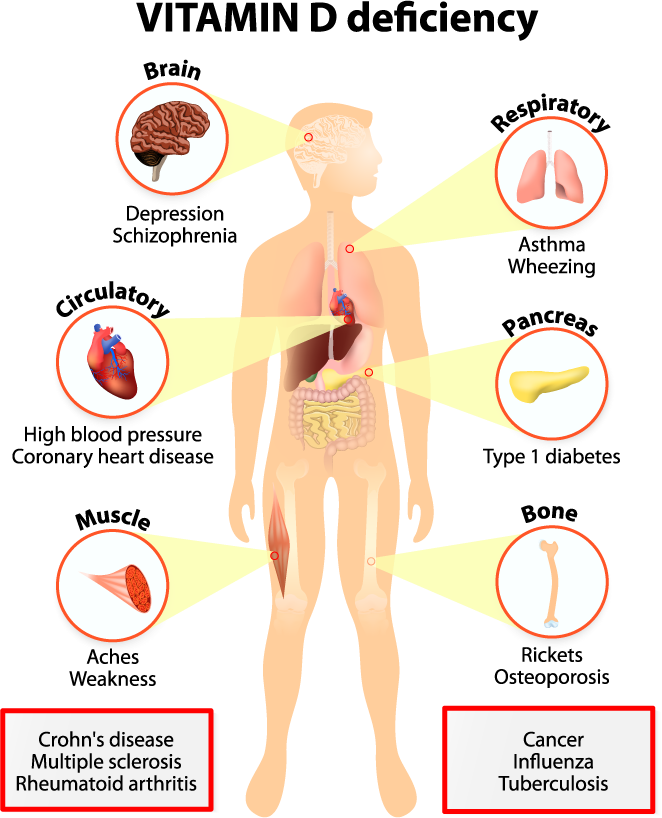
Common Physical Signs
Vitamin D deficiency shows up in many ways on your body. These signs are often easy to spot. Recognizing them early helps you take action to improve your health.
Physical symptoms are common and can affect daily life. They often involve bones, muscles, and the immune system.
Bone Pain And Weakness
Vitamin D helps your body absorb calcium. Without enough, bones become soft and weak. This causes pain in the hips, legs, and lower back. You might also feel more tired and less steady on your feet.
Muscle Cramps And Spasms
Low vitamin D can cause muscles to cramp or twitch. These spasms happen without warning and can be painful. Weak muscles make simple tasks harder. This symptom often appears before bone problems start.
Frequent Illness And Infections
Vitamin D supports your immune system. Without enough, your body struggles to fight germs. This leads to catching colds, flu, or infections more often. Feeling sick frequently is a key sign of deficiency.
Skin And Hair Indicators
Vitamin D plays a key role in keeping skin and hair healthy. Low levels can cause visible changes. These changes often appear first on the skin and hair. Recognizing these signs helps catch deficiency early.
Dry Skin And Eczema
Dry skin is a common sign of vitamin D deficiency. The skin may feel rough and flaky. Eczema, a skin condition causing redness and itching, can also worsen. Vitamin D helps skin repair and reduce inflammation. Lack of it can make skin problems more severe and persistent.
Hair Loss Patterns
Hair loss can signal low vitamin D levels. The deficiency may cause thinning hair or bald patches. Vitamin D supports hair follicle growth. Without enough vitamin D, hair growth slows down. This leads to noticeable hair loss over time.
Mood And Cognitive Changes
Vitamin D plays an important role in brain health and mood regulation. Low levels of this nutrient can cause changes in how you feel and think. These mood and cognitive changes often go unnoticed but can affect daily life deeply.
Depression And Anxiety
Vitamin D deficiency may increase feelings of sadness and worry. People with low vitamin D often feel tired and less motivated. This lack of energy can lead to depression. Anxiety symptoms may also rise, causing restlessness and nervousness. The brain needs vitamin D to balance mood chemicals.
Memory Issues And Brain Fog
Low vitamin D can make it hard to focus or remember things. Brain fog feels like your mind is cloudy or slow. Tasks that used to be easy become difficult to do. This can affect school, work, and daily routines. Vitamin D supports brain cells and helps keep memory sharp.
Credit: continentalhospitals.com
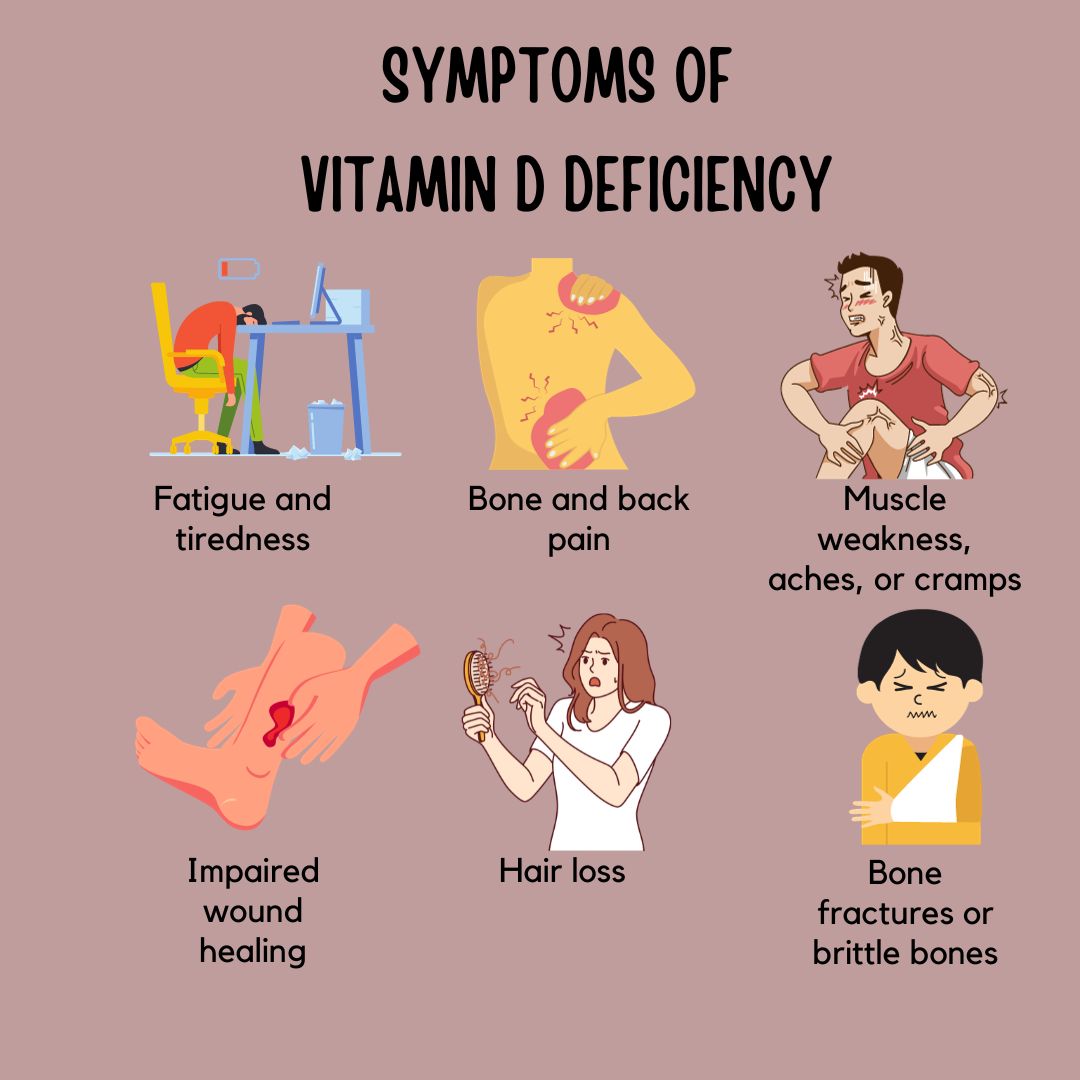
Severe Deficiency Symptoms
Severe vitamin D deficiency can cause serious health problems. The symptoms go beyond feeling tired or weak. These signs affect the body’s ability to heal and maintain strong bones. Identifying these symptoms early can help prevent long-term damage.
Delayed Healing Of Wounds
Vitamin D plays a key role in wound healing. Without enough vitamin D, cuts and sores take longer to heal. This delay increases the risk of infections. The skin and tissues need vitamin D to repair properly.
Bone Deformities In Children
Children with severe vitamin D deficiency may develop bone deformities. The condition called rickets causes soft, weak bones. Legs may bow outward or the chest may become deformed. Proper vitamin D is essential for healthy bone growth.
Increased Risk Of Fractures
Low vitamin D weakens bones in adults and children. This leads to more frequent bone fractures. Even small falls or bumps can cause breaks. Strong bones need vitamin D to absorb calcium effectively.
Risk Factors For Deficiency
Vitamin D deficiency occurs when the body does not get enough of this vital nutrient. Certain factors raise the risk of having low vitamin D levels. Understanding these risk factors helps identify those who need attention.
Limited Sun Exposure
Sunlight triggers vitamin D production in the skin. People who spend little time outdoors often lack enough vitamin D. Living in areas with little sunlight also affects vitamin D levels. Using strong sunscreens and covering the skin reduces vitamin D creation.
Dietary Restrictions
Vitamin D comes from certain foods like fish, eggs, and fortified milk. People who follow strict vegetarian or vegan diets may miss these sources. Some avoid dairy or fish for health or personal reasons. This limits their vitamin D intake and raises deficiency risk.
Medical Conditions Affecting Absorption
Certain illnesses stop the body from absorbing vitamin D properly. Conditions like celiac disease, Crohn’s disease, and cystic fibrosis damage the intestines. This lowers vitamin D absorption from food. Kidney and liver diseases also reduce vitamin D activation in the body.
Credit: pharmasynth.in
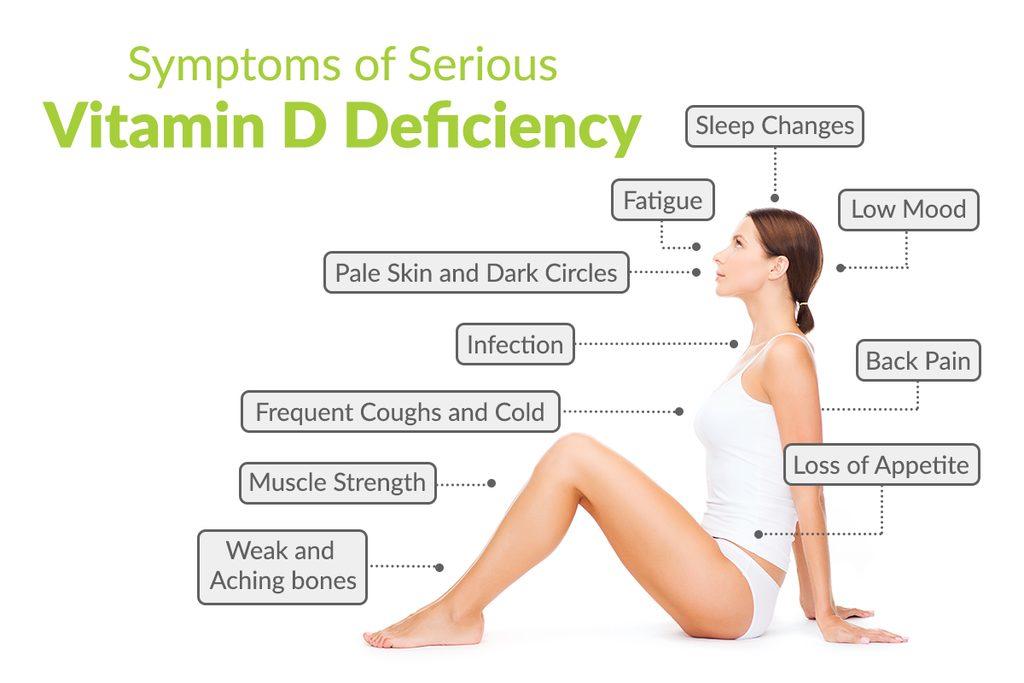
When To Seek Medical Advice
Knowing when to seek medical advice for vitamin D deficiency is important. Early action can prevent serious health problems. Many symptoms seem mild but might indicate a deeper issue. Understanding these signs helps you decide when to see a doctor.
Recognizing Persistent Symptoms
Some symptoms last longer than they should. Fatigue that does not improve with rest needs attention. Bone pain or muscle weakness that stays or worsens is a warning. Frequent infections may also signal low vitamin D. Persistent symptoms require a professional check-up.
Importance Of Blood Testing
Blood tests are the best way to confirm vitamin D levels. Doctors measure the amount of vitamin D in your blood. This helps to diagnose deficiency accurately. Testing guides the right treatment and dosage. Regular testing is important if symptoms continue or risk factors exist.
Frequently Asked Questions
What Are Common Signs Of Vitamin D Deficiency?
Common signs include fatigue, bone pain, muscle weakness, and frequent infections. Mood changes like depression may also occur. Early detection helps prevent complications.
How Does Vitamin D Deficiency Affect Bone Health?
Vitamin D deficiency causes weak bones and increases fracture risk. It reduces calcium absorption, leading to conditions like osteoporosis and rickets in children.
Can Vitamin D Deficiency Cause Muscle Weakness?
Yes, low vitamin D levels impair muscle function. This results in muscle weakness, cramps, and decreased physical performance, especially in older adults.
Who Is At Risk For Vitamin D Deficiency?
People with limited sun exposure, darker skin, older adults, and those with certain medical conditions face higher deficiency risk. Dietary insufficiency also contributes.
Conclusion
Vitamin D deficiency shows clear signs and symptoms to watch for. Feeling tired, weak, or having bone pain may signal low vitamin D. Sunlight helps your body make vitamin D naturally. Eating foods rich in vitamin D supports your health.
Testing can confirm if your levels are low. Taking steps early helps avoid serious health problems. Stay aware of your body’s signals and act. Healthy vitamin D levels keep you strong and active. Don’t ignore the signs; your health matters most.