
How to Stop Hair Loss: The Complete Guide to Healthy Hair

Hair loss is a common problem that affects millions of people worldwide, both men and women. Whether it’s gradual thinning or sudden shedding, losing hair can cause significant emotional distress. Fortunately, numerous strategies can help stop hair loss and even encourage hair regrowth. This comprehensive guide explores the causes of hair loss, effective prevention techniques, the most common treatments, and lifestyle adjustments that can improve hair health.
Section 1: Understanding Hair Loss
Before diving into solutions, it’s important to understand the science of hair loss. Our hair grows in cycles, with a natural shedding process that happens every day. However, hair loss becomes concerning when it exceeds the normal shedding range or when regrowth doesn’t occur.
The Hair Growth Cycle
Hair grows through three distinct phases:
- Anagen (Growth Phase): This is the active phase where hair grows. On average, hair grows about half an inch per month during this phase, which lasts 2-6 years.
- Catagen (Transitional Phase): The hair follicle shrinks, and hair growth halts. This phase lasts for about 2-3 weeks.
- Telogen (Resting Phase): Hair falls out, and new hair begins to grow in its place. This phase lasts 3 months.
Around 80-90% of your hair is in the anagen phase at any given time, while 10-20% is in the telogen phase. If the balance between these phases is disturbed, excessive hair shedding or thinning can occur.
What Causes Hair Loss?
Hair loss can occur due to a variety of factors, both internal and external. Identifying the root cause is essential for finding an effective solution.
- Genetics (Androgenetic Alopecia)
The most common cause of hair loss is androgenetic alopecia, also known as male-pattern baldness or female-pattern hair loss. This condition is hereditary and is influenced by the hormones called androgens, which regulate hair growth.
- In Men: It often begins at the hairline or crown and progresses to full baldness.
- In Women: It generally results in diffuse thinning across the scalp, with the most noticeable thinning at the part line.
- Hormonal Changes

Hormonal shifts can lead to temporary or permanent hair loss. In women, hair loss is common during pregnancy, menopause, and childbirth. Conditions like polycystic ovary syndrome (PCOS) can also contribute to hair thinning due to an imbalance of male hormones (androgens).
- Stress and Anxiety
Chronic stress can lead to a type of hair loss known as telogen effluvium. Stress causes the body to release certain hormones that can push more hair follicles into the resting phase. When the stress is reduced, hair growth usually resumes.
- Nutritional Deficiencies
Lack of essential nutrients can contribute to hair thinning. Iron, biotin, zinc, and vitamins A, C, and D are particularly important for hair health. A poor diet can weaken hair follicles, causing hair to become brittle and more prone to shedding.
- Medical Conditions and Medications
Autoimmune diseases, thyroid disorders, and scalp infections can cause hair loss. Additionally, medications like chemotherapy, blood thinners, and certain antidepressants may cause hair to shed excessively.
- Physical Damage for Stop Hair Loss
Harsh styling practices such as tight hairstyles (braids, ponytails) and frequent use of heat tools (flat irons, curling irons) can damage the hair shaft, leading to hair breakage. Overuse of chemical treatments, such as perms or coloring, can also weaken hair.
Section 2: How to Prevent Hair Loss
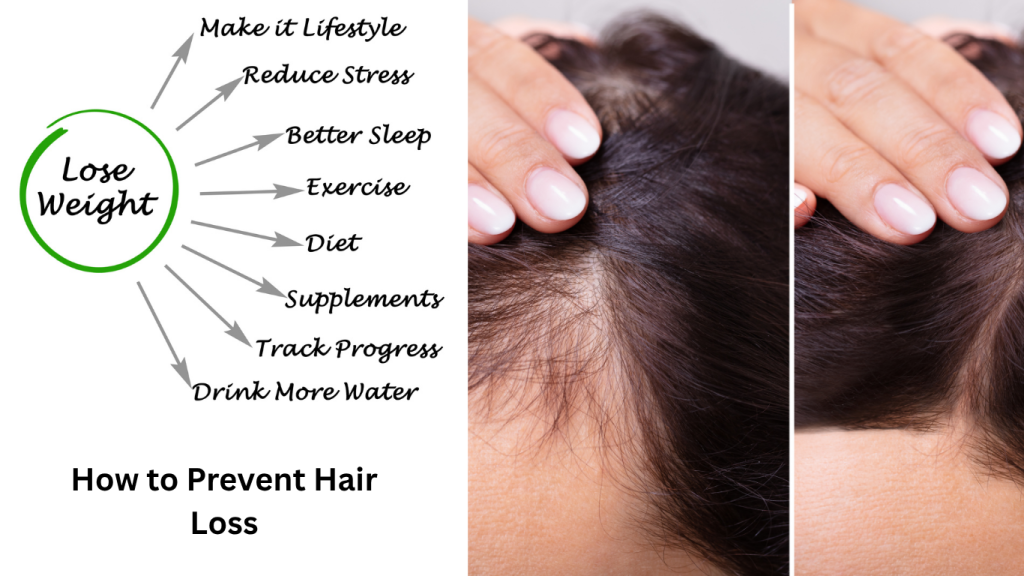
Preventing hair loss involves a combination of lifestyle changes, proper hair care, and timely interventions. By addressing the root causes of hair loss, you can maintain healthy hair.
- Improve Your Diet for Better Hair Health
A balanced diet plays a crucial role in preventing hair loss. Hair is made from keratin, a protein, so it’s important to consume adequate amounts of protein to support hair growth. Here are the essential nutrients that help maintain healthy hair:
Protein
Hair is 95% keratin, a type of protein. To keep your hair strong, ensure you’re getting enough protein in your diet. Foods rich in protein include:
- Eggs
- Fish (salmon, mackerel)
- Chicken and lean meats
- Tofu and tempeh
- Legumes (lentils, chickpeas, beans)
Iron and Zinc
Iron deficiency is one of the most common causes of hair thinning, especially in women. Zinc is also crucial for hair health because it aids in the repair of hair tissue and helps keep the oil glands around the hair follicles functioning properly.
Foods high in iron and zinc include:
- Spinach, kale, and other leafy greens
- Red meat and liver
- Beans and lentils
- Pumpkin seeds
- Nuts and seeds
Biotin
Biotin, a B-vitamin, is essential for hair growth and the maintenance of healthy hair. Biotin-rich foods include:
- Eggs
- Nuts
- Whole grains
- Sweet potatoes
Vitamin D
Vitamin D plays a critical role in hair follicle growth. Studies suggest that vitamin D deficiency can contribute to hair thinning. Sources of vitamin D include:
- Fatty fish (salmon, mackerel, sardines)
- Fortified foods (such as milk or cereal)
- Eggs
- Sunlight exposure
- Reduce Stress
Managing stress is key to preventing hair loss. There are various techniques that can help reduce stress:
Mindfulness and Meditation
Mindfulness practices, such as yoga and meditation, have been shown to reduce stress and improve overall health. Just 10-20 minutes of meditation a day can lower cortisol levels (a stress hormone) and help promote hair growth.
Regular Exercise
Exercise improves circulation, reduces stress, and boosts overall well-being. Aim for at least 30 minutes of moderate activity (walking, cycling, swimming) most days of the week.
Adequate Sleep
Sleep deprivation can exacerbate stress, which, in turn, may lead to hair loss. Aim for 7-9 hours of restful sleep every night to keep your body and hair follicles in optimal condition.
- Be Gentle with Your Hair

Using the right hair care techniques can reduce the risk of hair breakage and shedding. Follow these tips for healthy hair:
Shampooing and Conditioning
- Avoid over-washing your hair. Washing your hair too frequently can strip it of natural oils.
- Use a mild, sulfate-free shampoo and a conditioner suited for your hair type.
- Don’t apply conditioner to your scalp; instead, focus on the ends of your hair to avoid weighing it down.
Avoid Heat Styling Tools
Excessive use of flat irons, curling irons, and hairdryers can weaken your hair, leading to split ends and breakage. If you must use heat tools, always apply a heat protectant spray beforehand.
Don’t Tighten Your Hair Too Much
Avoid tight hairstyles, such as ponytails, braids, or buns, that pull on the hair. These styles can cause traction alopecia, a form of hair loss caused by constant tension on the hair follicles.
- Protect Your Hair from Environmental Damage
UV rays, pollution, and harsh weather conditions can damage your hair. To protect your hair:
- Wear a hat or scarf to shield it from the sun.
- Use a leave-in conditioner with UV protection.
- If swimming in chlorinated pools, wear a swim cap or rinse your hair immediately after swimming.
Section 3: Treatments for Hair Loss

If you’re experiencing noticeable hair thinning or loss, there are several treatments that may help. While results can vary depending on the individual and the cause of the hair loss, many options are available to help stop or reverse hair loss.
- Medications
Minoxidil (Rogaine)
Minoxidil is an over-the-counter topical treatment that can be applied directly to the scalp. It is FDA-approved for both men and women and is available in liquid or foam forms. Minoxidil works by increasing blood flow to the hair follicles, which encourages hair growth.
Finasteride (Propecia)
Finasteride is an oral medication approved for men with androgenetic alopecia. It works by inhibiting the hormone DHT, which causes hair follicles to shrink. While finasteride can be effective, it is not recommended for women, especially during pregnancy, due to potential side effects.
- Hair Transplant Surgery
For more severe cases of hair loss, hair transplant surgery may be an option. In this procedure, hair follicles are taken from areas of the scalp with healthy hair growth and transplanted to thinning or balding areas.
- Platelet-Rich Plasma (PRP) Therapy
PRP therapy involves drawing a small amount of your blood, processing it to concentrate the platelets, and injecting it into areas of the scalp where hair is thinning. The platelets contain growth factors that may stimulate hair follicles and promote regrowth.
- Laser Therapy
Low-level laser therapy (LLLT) uses red light to stimulate hair follicles and promote hair growth. Devices such as laser combs, caps, and helmets are available for home use.
Section 4: When to Seek Professional Help
and have not seen significant improvement, or if you’re experiencing sudden and severe hair loss, it may be time to consult a healthcare professional. A dermatologist or a trichologist (a hair and scalp specialist) can help diagnose the underlying cause of your hair loss and recommend a targeted treatment plan. Here are a few situations when seeking professional help is crucial:
- Sudden or Severe Hair Loss
If you experience rapid hair shedding, sudden bald patches, or large amounts of hair loss in a short period, it could indicate an underlying medical issue. Conditions such as autoimmune diseases, thyroid disorders, or scalp infections may require specialized treatment. Immediate intervention can help you understand the cause and potentially reverse the condition.
- Scalp Health Issues
If you have a dry, itchy, or inflamed scalp, or if you notice redness, flakiness, or tenderness, it could be a sign of a scalp condition like seborrheic dermatitis, psoriasis, or fungal infections. A dermatologist can help diagnose and treat these conditions, which may improve the condition of your scalp and reduce hair loss.
- Family History of Hair Loss
If hair loss runs in your family (whether it’s male-pattern or female-pattern baldness), a professional can recommend early treatments that may slow down the process or reduce the severity of hair thinning.
- Hair Loss with Other Symptoms
If your hair loss is accompanied by other symptoms such as fatigue, weight changes, or changes in skin or nail health, it may suggest an internal health issue such as a thyroid imbalance or nutritional deficiencies. A healthcare professional can run tests to determine whether a medical condition is contributing to your hair loss and recommend appropriate treatment.
Section 5: Emerging Treatments and Technologies for Hair Loss
With advancements in medical technology, new treatments for hair loss are constantly being explored. Some of these may offer promising results for people who have not responded to traditional treatments. Below are a few emerging therapies in the field of hair restoration:
- Stem Cell Therapy
Stem cell therapy for hair loss is an exciting and experimental treatment. It involves using stem cells to regenerate and stimulate dormant hair follicles. The procedure works by injecting stem cells derived from the patient’s own body (usually from adipose tissue or bone marrow) into areas of the scalp that require rejuvenation. While it shows potential, stem cell therapy for hair loss is still in its research phase and not widely available.
- Microneedling with PRP
Microneedling, when combined with platelet-rich plasma (PRP) therapy, is an innovative treatment for hair restoration. During this procedure, tiny needles are used to create micro-injuries in the scalp, which promotes healing and stimulates hair growth. When combined with PRP (derived from the patient’s blood), this process can improve hair follicle activation and enhance hair regrowth.
- Hair Cloning
Hair cloning is another futuristic treatment that involves growing hair follicles in a laboratory setting and then transplanting them onto the scalp. The goal is to create an unlimited supply of hair follicles for transplant, which would be especially beneficial for those with extensive hair loss. While research is promising, hair cloning is not yet available as a commercial treatment.
- Exosome Therapy
Exosome therapy is another cutting-edge treatment being investigated for hair loss. Exosomes are tiny vesicles that are released from stem cells and contain growth factors that help regenerate damaged tissues. The idea is that exosomes can promote hair follicle growth by delivering the necessary proteins and molecules to the scalp. This treatment is in early clinical trials but has shown potential for hair regeneration.
Section 6: Maintaining Long-Term Hair Health
Stopping hair loss and promoting hair regrowth requires consistency and ongoing care. Once you’ve addressed the immediate causes of hair loss, it’s essential to adopt long-term habits that support the health of your hair and scalp.
- Regular Scalp Care Routine
A healthy scalp is crucial for healthy hair. Here are some tips to maintain scalp health:
- Use gentle hair care products: Look for sulfate-free shampoos and conditioners, which are less likely to strip your hair of its natural oils.
- Scalp Massage: Regular scalp massages can increase blood circulation to the hair follicles, promoting growth. You can use oils like rosemary, peppermint, or coconut oil, all of which are known for their benefits to hair health.
- Keep your scalp clean: A buildup of oil, sweat, or hair product residue can clog hair follicles, hindering hair growth. Regularly wash your hair to prevent this buildup.
- Avoid Hair Damage
Preventing hair damage is one of the best ways to ensure the long-term health of your hair. Some common practices that contribute to hair damage include:
- Heat styling: Using flat irons, curling irons, and blow dryers too frequently can cause breakage. When you do use heat tools, make sure to apply a heat protectant spray or serum.
- Chemical treatments: Excessive use of hair dyes, perms, or relaxers can weaken the hair. If you need to color or chemically treat your hair, consider consulting with a professional stylist who can use products that minimize damage.
- Tight hairstyles: Avoid tight ponytails, braids, or buns, which can cause traction alopecia (hair loss from constant tension on the hair). Opt for looser hairstyles whenever possible.
- Consistent Treatment Use
If you’re using treatments such as minoxidil, finasteride, or low-level laser therapy (LLLT), be sure to use them consistently as directed. Results may take several months to become noticeable, so it’s important to be patient and follow the prescribed regimen.
- Lifestyle Adjustments for Hair Health
In addition to dietary improvements and stress management, adopting a few key lifestyle changes can improve the health of your hair:
- Stay hydrated: Water is essential for the proper functioning of your body, including the hair follicles. Aim to drink at least 8 glasses of water a day to keep your body and scalp hydrated.
- Quit smoking: Smoking restricts blood flow to the hair follicles and can increase the risk of hair loss. Quitting smoking can improve circulation and overall hair health.
- Avoid harsh chemicals in household products: Some household cleaners and products contain harsh chemicals that can be absorbed into the body. Opt for natural or eco-friendly alternatives wherever possible.
Section 7: Final Thoughts
Hair loss can be a challenging experience, but with the right strategies and treatments, it’s possible to stop or even reverse the process. The key to success is identifying the cause of your hair loss, adopting healthy habits, and being patient as your hair grows back. A combination of proper diet, stress management, scalp care, and medical treatments can significantly improve your hair health.
If you’re unsure about the best course of action, or if your hair loss is severe or sudden, don’t hesitate to seek professional advice. Dermatologists and trichologists have the expertise to diagnose and treat the underlying causes of hair loss, helping you regain fuller, healthier hair.
With consistent care and attention, your hair can be restored to its natural health, boosting both your appearance and confidence.
This concludes our detailed guide on how to stop hair loss. Whether you’re looking to prevent hair loss or regrow your hair, the steps outlined here can help you on your journey to healthier, thicker hair.
Read More info: