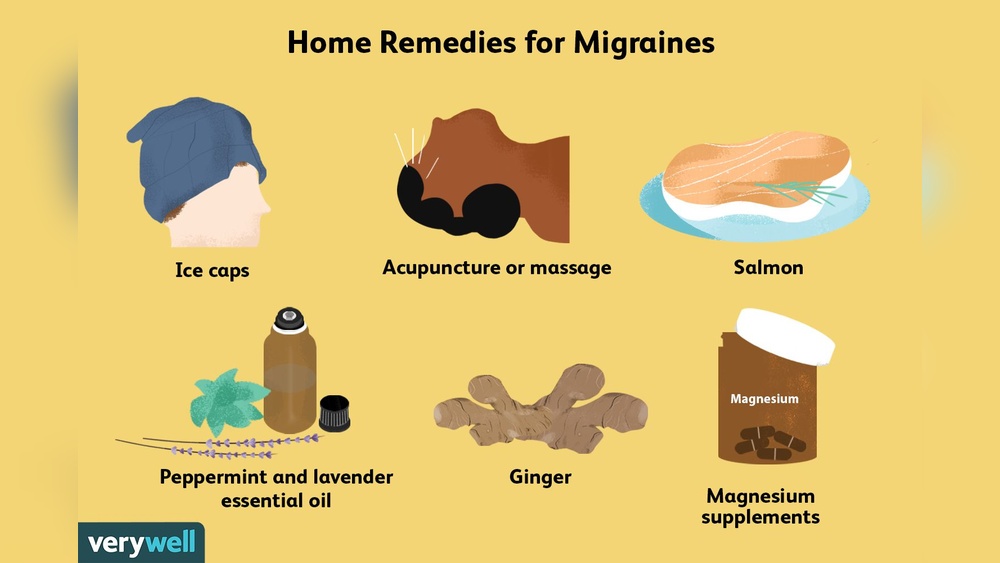
Are you tired of letting headaches ruin your day? You don’t always need medicine to find relief.
Imagine calming your pain with simple, natural remedies right at home. You’ll discover easy and effective ways to ease your headache quickly. These tips are designed to work with your body, helping you feel better without side effects. Keep reading, and take control of your headache pain starting now.
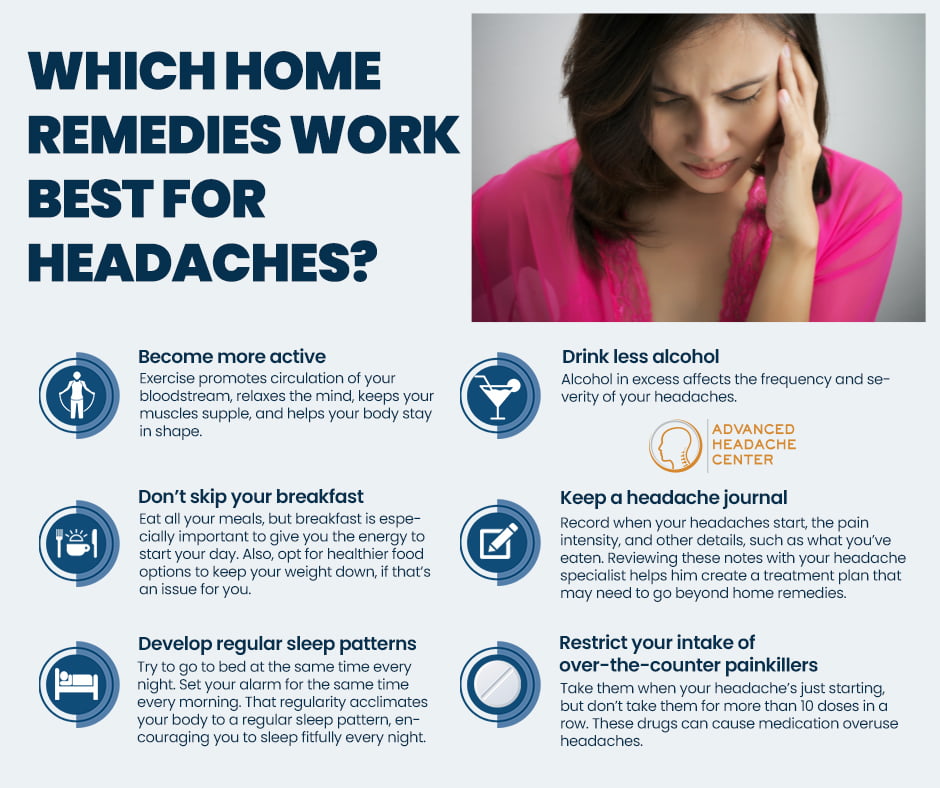
Credit: www.advancedheadachecenter.com
Common Causes Of Headaches
Headaches affect many people daily and can disrupt life. Understanding what causes headaches helps in finding relief at home. Different factors trigger headaches, and knowing them allows better prevention.
Tension And Stress
Tension headaches come from muscle tightness in the neck and scalp. Stress makes muscles contract, leading to pain. Emotional stress and long hours of work increase headache chances. Relaxation and breaks can reduce tension headaches.
Dehydration
Not drinking enough water causes dehydration headaches. The brain shrinks slightly, pulling on pain-sensitive tissues. This type of headache often feels like a dull ache. Drinking water regularly helps prevent these headaches.
Sleep Issues
Too little or too much sleep triggers headaches. Poor sleep quality affects brain chemicals and pain signals. Irregular sleep patterns confuse the body’s clock. Maintaining a regular sleep schedule reduces headache risk.
Diet And Caffeine
Certain foods and drinks cause headaches in some people. Skipping meals or eating processed foods can trigger pain. Caffeine affects blood flow in the brain and can cause headaches. Moderation and balanced meals help manage these triggers.
Environmental Triggers
Bright lights, loud noises, and strong smells irritate the nervous system. Weather changes like high heat or humidity also cause headaches. Poor air quality and smoke can bring on pain. Avoiding harsh environments lowers headache chances.

Credit: www.pacehospital.com
Hydration Techniques
Hydration plays a key role in relieving headaches. Dehydration can cause or worsen headache pain. Drinking enough fluids helps keep your body balanced and your head clear. Simple hydration methods can reduce headache intensity and frequency.
Water Intake Tips
Drink water regularly throughout the day. Aim for eight glasses or about two liters daily. Sip water slowly instead of drinking a lot at once. Carry a water bottle to remind yourself to drink. Avoid sugary or caffeinated drinks, as they can dehydrate you.
Herbal Infusions
Herbal teas can soothe headaches and help hydration. Peppermint tea cools and relaxes tense muscles. Ginger tea reduces inflammation and eases pain. Chamomile tea calms nerves and improves sleep, which helps with headaches. Brew fresh tea and drink it warm for best results.
Electrolyte Balance
Electrolytes keep your fluids in balance and support nerve function. Drink coconut water or add a pinch of salt and lemon to water. Avoid drinks with too much sugar or artificial ingredients. Proper electrolyte levels prevent headaches caused by dehydration and mineral loss.
Herbal Remedies
Herbal remedies offer natural ways to ease headaches. These plants have been used for centuries to reduce pain and inflammation. They work gently and can be easy to use at home. Herbal treatments often have fewer side effects than medicines.
Many herbs contain compounds that help relax muscles and calm nerves. Using these remedies can provide quick relief without harsh chemicals. Below are some popular herbal options for headache relief.
Peppermint Oil Application
Peppermint oil has menthol, which cools and soothes the skin. Applying it to the forehead and temples can ease headache pain. The cooling effect helps relax tight muscles and improve blood flow. Use a few drops diluted with a carrier oil to avoid skin irritation. Gently massage the oil for quick relief.
Ginger Tea Benefits
Ginger helps reduce inflammation and nausea linked to headaches. Drinking ginger tea can calm the body and lower headache intensity. It blocks substances that cause pain and swelling in the brain. Boil fresh ginger slices in water for 10 minutes. Sip slowly for best results.
Feverfew And Butterbur
Feverfew and butterbur are herbs known for preventing migraines. Feverfew reduces headache frequency by calming brain nerves. Butterbur relaxes blood vessels and lowers inflammation. Both can be taken as capsules or teas. Consult a healthcare provider before use to ensure safety.
Dietary Adjustments
Diet affects headache frequency and intensity. Small changes in diet can reduce pain. Certain foods trigger headaches. Others help ease symptoms. Adjusting your daily meals may bring relief.
Foods To Avoid
Avoid processed meats like sausages and hot dogs. They contain nitrates that can trigger headaches. Cut back on caffeine and alcohol. These can cause dehydration and worsen pain. Skip aged cheeses and foods with MSG. These ingredients often lead to headaches.
Magnesium-rich Choices
Magnesium helps relax blood vessels and reduce headache pain. Eat leafy greens like spinach and kale daily. Include nuts and seeds such as almonds and pumpkin seeds. Beans and whole grains are good sources too. These foods support brain health and lower headache risk.
Balanced Meal Planning
Eat regular meals to keep blood sugar steady. Skipping meals can cause headaches. Include protein, healthy fats, and complex carbs at each meal. This balance provides lasting energy and brain support. Drink plenty of water throughout the day. Staying hydrated helps prevent headaches.
Relaxation Methods
Relaxation methods help ease headache pain by reducing stress and calming the mind. These techniques lower muscle tension and improve blood flow, which often reduces headache intensity. Practicing simple relaxation exercises can bring quick relief without medication.
Deep Breathing Exercises
Deep breathing slows the heart rate and relaxes muscles. Sit or lie down in a quiet place. Breathe in slowly through your nose for four seconds. Hold the breath for four seconds. Exhale gently through your mouth for six seconds. Repeat this cycle five to ten times. This practice helps lower stress and reduces headache pain.
Progressive Muscle Relaxation
This method involves tightening and releasing muscle groups. Start with your feet and move upward. Tense each muscle group for five seconds. Then, slowly relax the muscles. Focus on the difference between tension and relaxation. This exercise decreases body stiffness and calms the nervous system. It often helps relieve headache symptoms.
Meditation And Mindfulness
Meditation trains the mind to focus and stay present. Find a quiet spot and sit comfortably. Close your eyes and focus on your breathing. Notice thoughts without judgment and gently return to breathing. Mindfulness meditation reduces anxiety and mental strain. Regular practice can lessen headache frequency and intensity.
Physical Therapies
Physical therapies offer simple ways to ease headache pain at home. These methods help relax muscles and improve blood flow. They reduce tension and calm nerves. Using physical therapies regularly can lessen headache frequency and intensity.
Cold And Warm Compresses
Cold compresses reduce swelling and numb sharp pain. Apply a cold pack on your forehead or neck for 15 minutes. Warm compresses relax tight muscles and boost circulation. Use a warm towel or heating pad on sore areas for relief. Choose cold for sudden pain and warm for tension headaches.
Acupressure Points
Pressing certain points on your body can ease headache pain. Try pressing the web between your thumb and index finger. Hold for a few seconds and release. Another point is at the base of your skull, where neck muscles attach. Gentle pressure here can relax tight muscles and lower headache pain.
Gentle Neck Stretches
Neck stretches relieve muscle tightness that triggers headaches. Slowly tilt your head side to side and hold each position. Roll your shoulders backward and forward to ease tension. These stretches improve blood flow and reduce stiffness. Do them gently to avoid strain.
Lifestyle Habits For Prevention
Preventing headaches often starts with daily habits. Small changes in lifestyle help reduce the chance of headaches. These habits support overall health and ease tension that causes pain. Consistent routines make a big difference over time.
Regular Sleep Schedule
Sleep affects headache frequency and intensity. Going to bed and waking up at the same time helps the body rest well. Poor sleep or irregular hours can trigger headaches. Aim for 7 to 8 hours of sleep every night. A calm, dark room improves sleep quality.
Exercise And Movement
Exercise helps reduce stress and tension. Activities like walking, yoga, or stretching improve blood flow. Regular movement releases natural pain relievers in the body. Avoid intense workouts that cause strain. Find gentle exercises that fit your daily routine.
Limiting Screen Time
Long hours in front of screens strain the eyes and brain. This strain can lead to tension headaches. Take breaks every 30 minutes to rest your eyes. Adjust screen brightness and keep a proper distance. Use blue light filters in the evening to reduce stress.

Credit: www.healthline.com
Frequently Asked Questions
What Are The Best Home Remedies For Headache Relief?
Effective home remedies include hydration, rest, and cold compresses. Herbal teas like ginger or peppermint also help. Avoiding stress and caffeine can reduce headache frequency. These natural methods relieve pain without medication and improve overall comfort.
How Does Hydration Help In Relieving Headaches?
Dehydration reduces blood flow to the brain, triggering headaches. Drinking water restores fluid balance, easing pain quickly. Staying hydrated prevents headache recurrence. Aim to drink at least 8 cups of water daily for better relief.
Can Essential Oils Relieve Headache Symptoms Naturally?
Yes, essential oils like peppermint and lavender can reduce headache pain. They relax muscles and improve blood circulation when applied to temples. Aromatherapy with these oils also decreases stress, a common headache trigger. Always dilute oils before use to avoid skin irritation.
Is Rest Important For Headache Recovery At Home?
Rest is crucial as it allows the body to heal and reduces headache intensity. Quiet, dark environments help relax the mind and muscles. Avoiding screen time during headaches minimizes strain and speeds up recovery. Prioritize rest for effective headache relief.
Conclusion
Headaches can often be eased with simple home remedies. Drinking water, resting, and using cold or warm compresses help many people. Gentle stretches and deep breathing also relieve tension. These easy steps can reduce pain without medicine. Always listen to your body and take breaks when needed.
If headaches last long or get worse, see a doctor. Small changes at home can bring big comfort. Try these tips and find what works best for you. Relief is possible with simple care and attention.