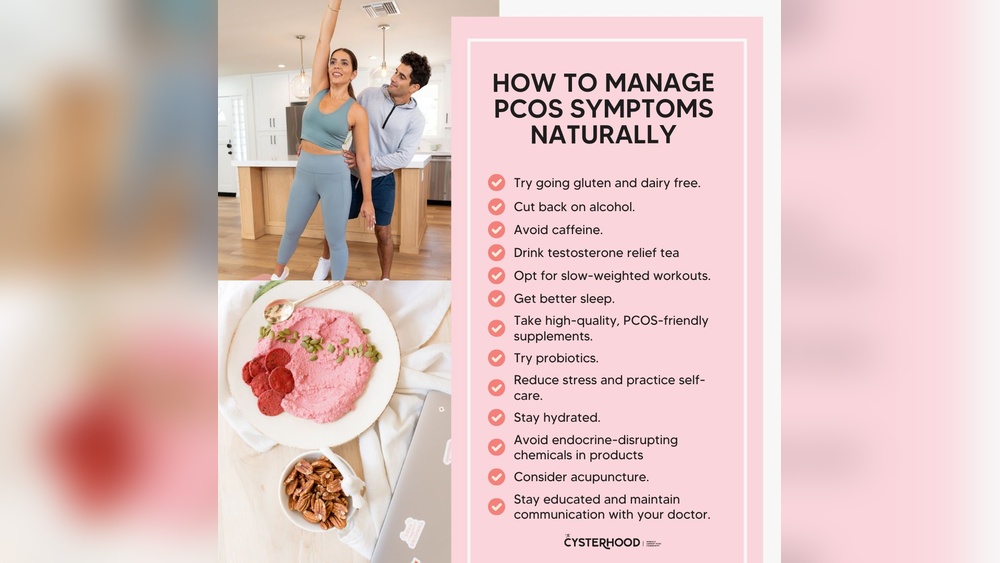
Are you tired of struggling with PCOS symptoms that disrupt your daily life? You’re not alone, and the good news is, you don’t always need medication to find relief.
Imagine taking simple, natural steps that help balance your body and ease those frustrating symptoms. You’ll discover easy, effective tips to manage PCOS naturally—so you can feel more in control and confident every day. Keep reading to unlock practical strategies that can make a real difference for your health.
Diet Changes
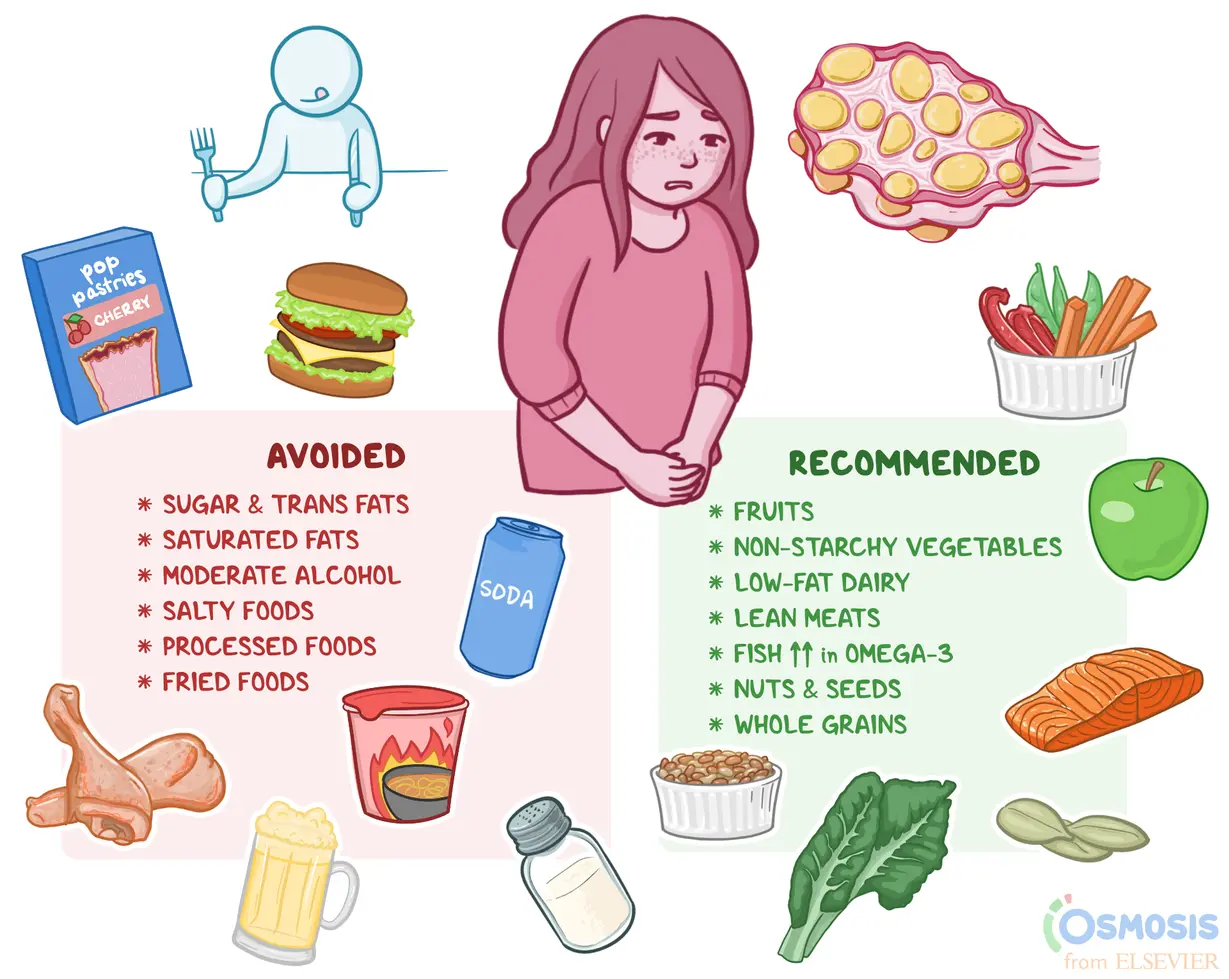
Diet changes play a key role in managing PCOS symptoms naturally. Food affects hormone levels and insulin resistance. Making smart food choices can reduce symptoms like weight gain and fatigue. Small, steady changes in your diet can make a big difference over time.
Low Glycemic Foods
Choose foods with a low glycemic index (GI). These foods release sugar slowly into the blood. They help keep blood sugar levels stable. Examples include whole grains, beans, and most fruits. Avoid high GI foods like white bread and sugary snacks. Low GI foods reduce insulin spikes, helping control PCOS symptoms.
Increase Fiber Intake
Fiber slows down digestion and sugar absorption. It helps balance blood sugar and reduces insulin resistance. Eat more vegetables, fruits, and whole grains daily. Beans and lentils are also high in fiber. Fiber supports gut health and helps you feel full longer. This can aid in managing weight and PCOS symptoms.
Healthy Fats
Include healthy fats in your meals. Sources include avocados, nuts, seeds, and olive oil. These fats reduce inflammation and improve heart health. Avoid trans fats and limit saturated fats. Healthy fats help balance hormones and support overall health. They also keep you full and satisfied between meals.
Exercise Benefits
Exercise plays a key role in managing PCOS symptoms naturally. It helps balance hormones and lowers insulin resistance. Moving your body regularly also boosts mood and energy. Small changes in activity can make a big difference. Choose exercises that you enjoy and can do often.
Regular Cardio
Cardio exercises improve heart health and burn calories. Activities like walking, cycling, or swimming raise your heart rate. This helps reduce body fat, which can ease PCOS symptoms. Aim for at least 30 minutes of moderate cardio most days. Consistency is more important than intensity. Cardio also helps regulate menstrual cycles and improve insulin sensitivity.
Strength Training
Strength training builds muscle and increases metabolism. Lifting weights or using resistance bands can help control blood sugar levels. Muscle burns more calories even when resting. This supports weight management and hormone balance. Try to include strength exercises two to three times a week. Focus on major muscle groups for the best results.
Stress Reduction
Exercise lowers stress hormones like cortisol. Lower stress can reduce PCOS flare-ups and improve mood. Activities such as yoga, tai chi, or gentle stretching relax the mind and body. Regular movement also helps improve sleep quality. Better sleep supports hormone health and reduces fatigue. Find calming exercises that fit your lifestyle and practice them regularly.
Herbal Remedies
Herbal remedies have been used for centuries to support women’s health. They offer gentle ways to ease PCOS symptoms. These natural options can help balance hormones and improve insulin resistance. Many women find relief with herbs and supplements that are easy to include in daily life.
Cinnamon
Cinnamon helps improve insulin sensitivity. This can lower blood sugar levels and reduce PCOS symptoms. Adding cinnamon to meals or drinks is simple. Studies show it may also help regulate menstrual cycles. Use ground cinnamon or cinnamon supplements for best results.
Spearmint Tea
Spearmint tea may reduce excess male hormones. This helps with symptoms like unwanted hair growth. Drinking two cups a day can improve hormone balance. It also has antioxidant properties that support overall health. Choose organic spearmint tea for a pure option.
Inositol Supplements
Inositol is a vitamin-like substance found in foods. It supports insulin function and hormone balance. Taking inositol supplements can improve ovulation and reduce anxiety. Many women with PCOS report fewer symptoms after regular use. Look for myo-inositol or d-chiro-inositol forms for best effects.

Credit: naturemed.org
Sleep And Stress
Sleep and stress play a big role in managing PCOS symptoms naturally. Poor sleep can raise hormone levels that worsen PCOS. High stress makes the body produce more cortisol, which also affects hormones. Controlling both sleep and stress helps balance the body and reduce symptoms.
Sleep Hygiene
Good sleep hygiene means creating habits that improve sleep quality. Go to bed and wake up at the same time daily. Keep your bedroom dark, quiet, and cool. Avoid screens and bright lights one hour before bed. Try to relax your mind with calm activities before sleeping. These steps help your body rest deeply and repair itself.
Mindfulness Techniques
Mindfulness means paying full attention to the present moment. It helps reduce stress and calm the mind. Try simple breathing exercises for a few minutes daily. Focus on your breath slowly going in and out. Notice your thoughts but do not judge them. Mindfulness lowers cortisol and improves mood, easing PCOS symptoms.
Relaxation Practices
Relaxation practices calm the nervous system and lower stress hormones. Gentle yoga or stretching helps release muscle tension. Listening to soft music or nature sounds can soothe the mind. Progressive muscle relaxation tenses and relaxes muscles one by one. These methods improve sleep and reduce stress naturally.
Weight Management
Weight management plays a key role in controlling PCOS symptoms. Keeping a healthy weight helps balance hormones and improves insulin sensitivity. Small, steady changes in diet and exercise can make a big difference. Focus on habits that support long-term health rather than quick fixes.
Balanced Calorie Intake
Eating the right number of calories helps maintain a healthy weight. Too many calories lead to weight gain, which worsens PCOS symptoms. Too few can slow metabolism and cause fatigue. Choose nutrient-rich foods like vegetables, fruits, whole grains, and lean proteins. These foods provide energy and keep you full longer.
Consistent Activity
Regular exercise boosts metabolism and improves insulin function. Aim for at least 30 minutes of moderate activity most days. Walking, swimming, or cycling are good options. Exercise also reduces stress, which helps regulate hormones. Consistency matters more than intensity for lasting benefits.
Avoid Crash Diets
Crash diets can harm your body and disrupt hormone balance. They cause rapid weight loss but often lead to quick regain. Instead, focus on steady weight loss with balanced meals. Slow and steady changes support overall health and reduce PCOS symptoms effectively.
Credit: www.osmosis.org
Hydration Tips
Staying hydrated plays an important role in managing PCOS symptoms naturally. Drinking enough water supports hormone balance and helps reduce bloating. Proper hydration also aids digestion and improves skin health, which many with PCOS struggle with.
Water helps flush out toxins and supports kidney function. It can help control hunger and reduce cravings, making it easier to maintain a healthy weight. For women with PCOS, these benefits are crucial in managing symptoms.
How Much Water Should You Drink Daily?
Most adults need about 8 glasses of water each day. Some may need more depending on activity, climate, and body size. Carry a water bottle to remind yourself to drink regularly. Sip water throughout the day rather than drinking large amounts all at once.
Best Drinks For Hydration
Water is the best drink for hydration. Herbal teas like chamomile or peppermint are good options too. Avoid sugary drinks and sodas as they can worsen insulin resistance. Fresh coconut water can offer natural electrolytes without added sugar.
Tips To Increase Water Intake
Add slices of lemon, cucumber, or mint to your water for flavor. Set reminders on your phone to drink water every hour. Eat water-rich foods like watermelon, cucumbers, and oranges. These help increase overall fluid intake naturally.
Tracking Symptoms
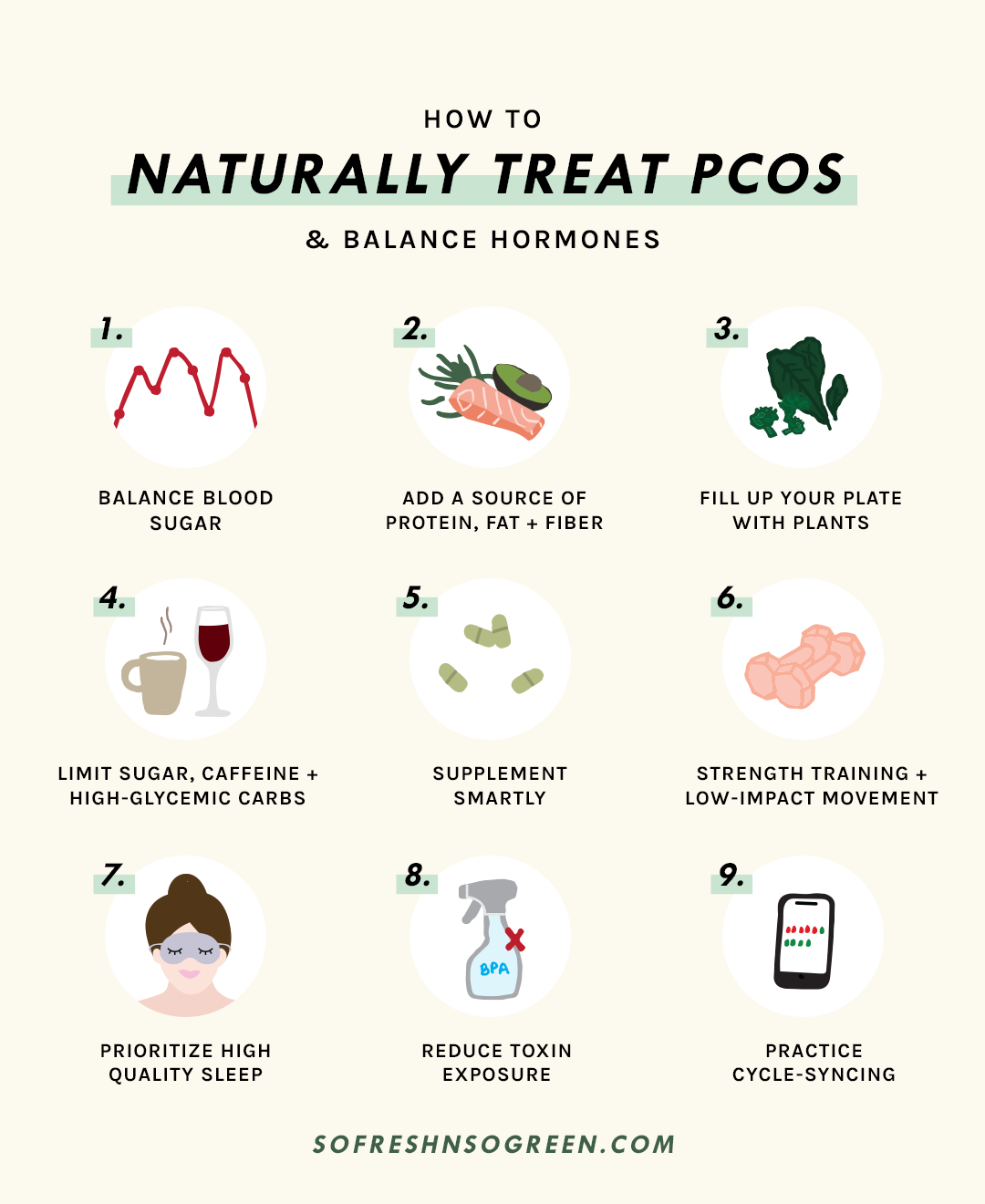
Tracking symptoms plays a big role in managing PCOS naturally. It helps you understand how your body reacts to different changes. Noticing patterns can guide better lifestyle and diet choices. It also helps you share clear information with your doctor. Consistent tracking makes it easier to spot improvements or new concerns early.
Journaling
Writing down symptoms daily creates a clear record. Note your mood, energy, and physical changes. Include details about sleep, diet, and exercise. Journaling helps connect symptoms with habits or triggers. It also offers a chance to reflect and stay mindful. Over time, you see patterns that might otherwise go unnoticed.
Using Apps
Mobile apps simplify symptom tracking with reminders and charts. Many apps focus on women’s health and PCOS symptoms. They let you log periods, mood swings, and skin changes. Some apps analyze data and suggest possible causes. Using apps keeps tracking consistent and organized. You can access your history anytime, anywhere.
Regular Checkups
Regular visits to your healthcare provider support natural PCOS management. Share your symptom journal or app data during appointments. Doctors can track your progress with tests and physical exams. They offer advice based on your symptoms and overall health. Checkups catch potential issues early, keeping your treatment effective.
Credit: sofreshnsogreen.com
Frequently Asked Questions
What Natural Remedies Help Manage Pcos Symptoms Effectively?
Natural remedies like regular exercise, balanced diet, and stress reduction help manage PCOS. Herbal supplements such as cinnamon and spearmint may also reduce symptoms. These methods improve insulin sensitivity and hormonal balance, easing PCOS effects without medication.
How Does Diet Impact Pcos Symptom Management?
A low-glycemic, nutrient-rich diet controls blood sugar and hormone levels in PCOS. Eating whole foods, fiber, and healthy fats reduces inflammation and supports weight management. Avoiding processed sugars and refined carbs is essential to lessen PCOS symptoms naturally.
Can Exercise Reduce Pcos Symptoms Naturally?
Yes, regular exercise lowers insulin resistance and regulates hormones in PCOS. Activities like walking, yoga, and strength training improve metabolism and support weight loss. Consistent physical activity also enhances mood and reduces stress, benefiting overall PCOS management.
Which Lifestyle Changes Best Support Natural Pcos Treatment?
Lifestyle changes such as stress management, quality sleep, and quitting smoking aid PCOS treatment. Prioritizing mental health and avoiding toxins help balance hormones. These habits complement diet and exercise for effective, natural PCOS symptom control.
Conclusion
Managing PCOS symptoms naturally takes time and patience. Small changes in diet and exercise help a lot. Stress control and enough sleep improve your health too. Consistency matters more than quick fixes. Listen to your body and make choices that suit you.
Natural methods support your well-being safely. Keep trying, stay positive, and track your progress. Every step forward counts in feeling better.